
ICJ Set to Deliver Landmark Verdict on Workers’ Right to Strike Today
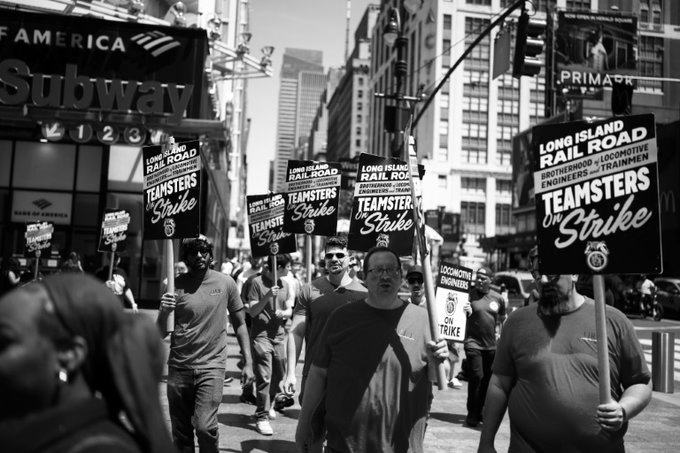
The International Court of Justice is set to deliver a landmark advisory opinion on whether workers globally have a legally protected right to strike , a decision that could influence labour standards worldwide despite being non-binding.
The case was initiated in 2023 when the International Labour Organization asked the ICJ to clarify a long-running dispute over interpretation of one of its core conventions ratified by 158 countries and embedded in global labour frameworks, including guidelines used by the Organisation for Economic Cooperation and Development and several trade agreements.
At the heart of the issue is whether the convention implicitly guarantees the right to strike. While many workers’ groups and a majority of participating states support that interpretation, some governments argue the treaty does not explicitly grant such a right.
So what does a UN court opinion change? ICJ advisory opinions do not directly enforce law, but they carry significant legal and political weight . They often shape how international treaties are interpreted by courts, governments, and global institutions, and can influence future labour legislation and disputes.
During hearings in The Hague, 18 countries and five international organisations presented arguments, with most supporting recognition of strike rights. A prior ICJ advisory opinion on climate change obligations also showed how such rulings can reshape global policy expectations even without enforcement powers.
As for real-world practice, the right to strike varies widely. Countries like France, the United States, and India allow strikes under regulated conditions. Others impose tighter restrictions. In places such as Saudi Arabia and the United Arab Emirates, independent strikes are heavily limited or effectively prohibited, while China restricts independent union-led strike action.
The ruling is expected to become a reference point in future global labour disputes, especially as governments and employers navigate rising industrial tensions.