
ICC steps in to avoid last-minute visa hurdles for World T20
The International Cricket Council (ICC) has stepped in to streamline visa formalities for players and officials of Pakistani origin ahead of the ICC Men’s T20 World Cup, starting on February 7. This move aims to prevent last-minute issues, as visa applications from people with Pakistani links often face extra scrutiny and longer processing times. The ICC is working closely with Indian authorities to ensure all cases are completed before the January 31 deadline.
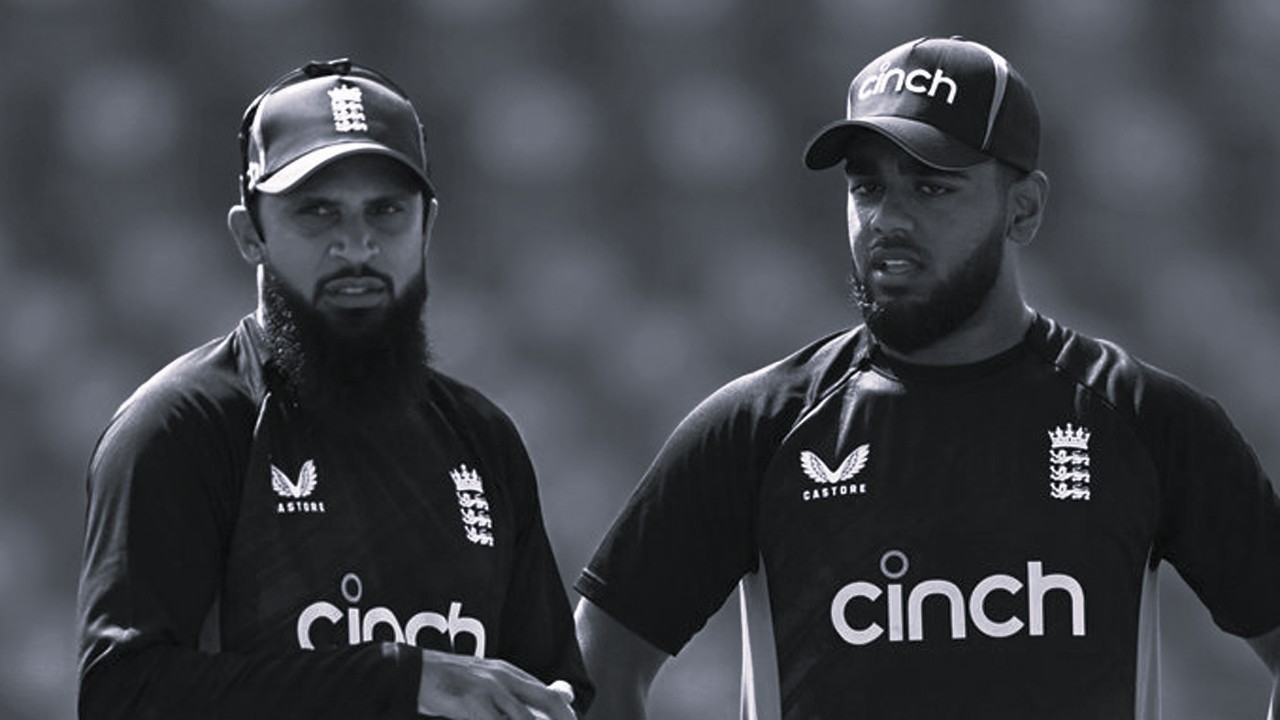
In the England squad, spinners Adil Rashid and Rehan Ahmed , along with pacer Saqiib Mahmood , have already received their visas. Members of the Netherlands team have also been cleared, while Canada staff member Shah Saleem Zafar has received approval. Visa appointments for remaining applicants from the UAE, USA, Italy, Bangladesh and Canada are scheduled for early next week, suggesting the process is nearing completion.
The Ministry of External Affairs (MEA) has said all applications will be processed fairly within existing norms, and officials have reassured the ICC that pending cases will be handled smoothly. The 2026 Men’s T20 World Cup will be co-hosted by India and Sri Lanka from February 7 to March 8, featuring 20 teams in four groups. Key venues include Narendra Modi Stadium (Ahmedabad), Wankhede Stadium (Mumbai), Eden Gardens (Kolkata), MA Chidambaram Stadium (Chennai), and in Sri Lanka, R. Premadasa Stadium and Pallekele Stadium. The high-voltage India-Pakistan match is on February 15 in Colombo, and the final is set for March 8 in Ahmedabad.
While the exact number of pending cases is still evolving, sources say the USA, Bangladesh, UAE, Italy and Canada still have some applicants awaiting processing. Bangladesh’s participation remains suspect amid the ongoing controversy , adding uncertainty to the line-up. To avoid disruption, organisers have prepared contingency plans such as flexible travel windows, backup documentation checks and schedule buffers early in the tournament. Security protocols for teams include dedicated escorts, controlled accommodation zones and strict stadium perimeter checks. Organisers remain confident that all participants will arrive on time and the tournament will proceed smoothly.