
I Offered Them NOTHING: Trump Denies Iran Sanctions Relief As Talks Resume
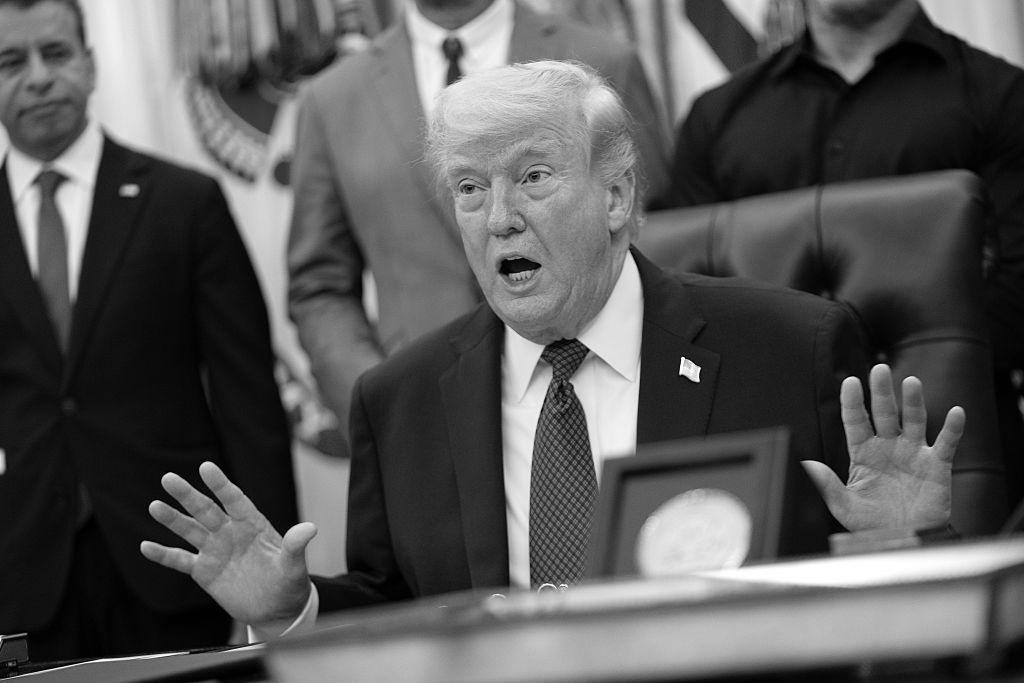
US President Donald Trump has denied reports that he offered Iran sanctions relief and access to frozen funds in return for concessions on its nuclear programme, calling the claim a “HOAX” as indirect US-Iran talks resume through mediators over the Strait of Hormuz and efforts to end the seven-month war.
“Axios just released a story that ‘Trump’ offered Sanctions Relief and Frozen Funds to Iran. This is untrue. I offered them NOTHING!” Trump wrote on Truth Social on Monday. The report, citing unnamed US officials, had said Trump was willing to provide sanctions relief and release frozen Iranian funds in return for concrete steps on Tehran’s nuclear programme. Trump rejected the report and called for its retraction.
Despite the denial, diplomatic contacts have continued. Iranian Foreign Minister Abbas Araghchi held discussions with Qatari mediators and said Qatar would approach Washington again before conveying the US response to Tehran. Araghchi later indicated that the focus was now “solely on the Strait of Hormuz” and reportedly left New York for Tehran earlier than expected.
Iran has proposed reopening the Strait of Hormuz within seven days if Washington lifts its port blockade, releases frozen Iranian assets, eases oil sanctions and ends hostilities, in return for resuming nuclear talks. Trump has rejected the proposal but signalled that negotiations could continue, with Qatar mediating between Washington and Tehran over sanctions, security guarantees, Hormuz and Iran’s nuclear programme.
The economic pressure on Tehran has meanwhile intensified. Iran’s rial fell to a fresh record low on September 29, with traders reportedly exchanging more than 2.5 million rials for one US dollar. The previous record was around 2.2 million per dollar on September 2. The currency’s latest decline comes after years of sanctions and further pressure from the war and the US naval blockade targeting Iranian oil exports.
US Secretary of State Marco Rubio has said Iran is heading towards an economic “cataclysm”, arguing that sanctions and the blockade are restricting Tehran’s access to oil revenues. Iran’s Revolutionary Guard, meanwhile, urged Americans to pressure Washington to end the war and accused the US of using the nuclear issue as a pretext to pressure Iran.
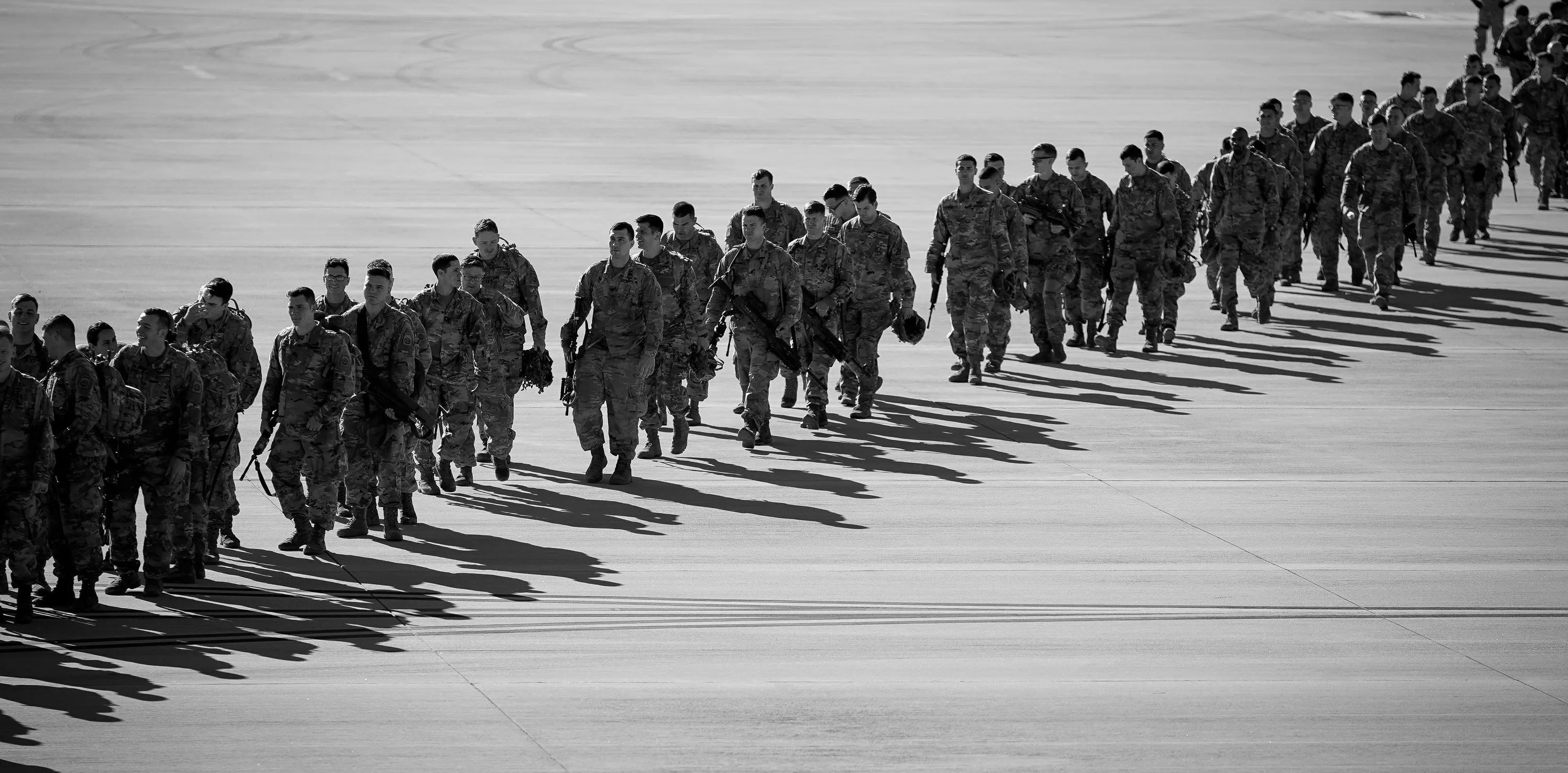
The wider regional balance is also shifting. US forces are preparing to leave their last bases in Iraq by September 30, ending more than two decades of American military presence. The withdrawal was agreed in 2024 under then-President Joe Biden and is being implemented by Trump’s administration.
Iran-backed Iraqi groups have described the departure as a victory. Abu Mojtaba al-Yasiri, a commander in the Islamic Resistance in Iraq, called it “a historic victory” and said September 30 would mark the “turning of a black page” in Iraq’s history.
Iraqi security experts have warned that the withdrawal could give Iran-backed groups greater room to influence Iraq’s security and political decisions. They have also raised concerns about a possible opening for Islamic State to rebuild, while some Iraqi community leaders fear that local forces may not yet be fully prepared to fill the security gap.
The US invaded Iraq in 2003, withdrew its forces in 2011 and returned in 2014 to help Iraqi forces fight Islamic State. The latest departure therefore marks a major shift in Washington’s military role in Iraq even as the US remains engaged in the broader confrontation with Iran.