
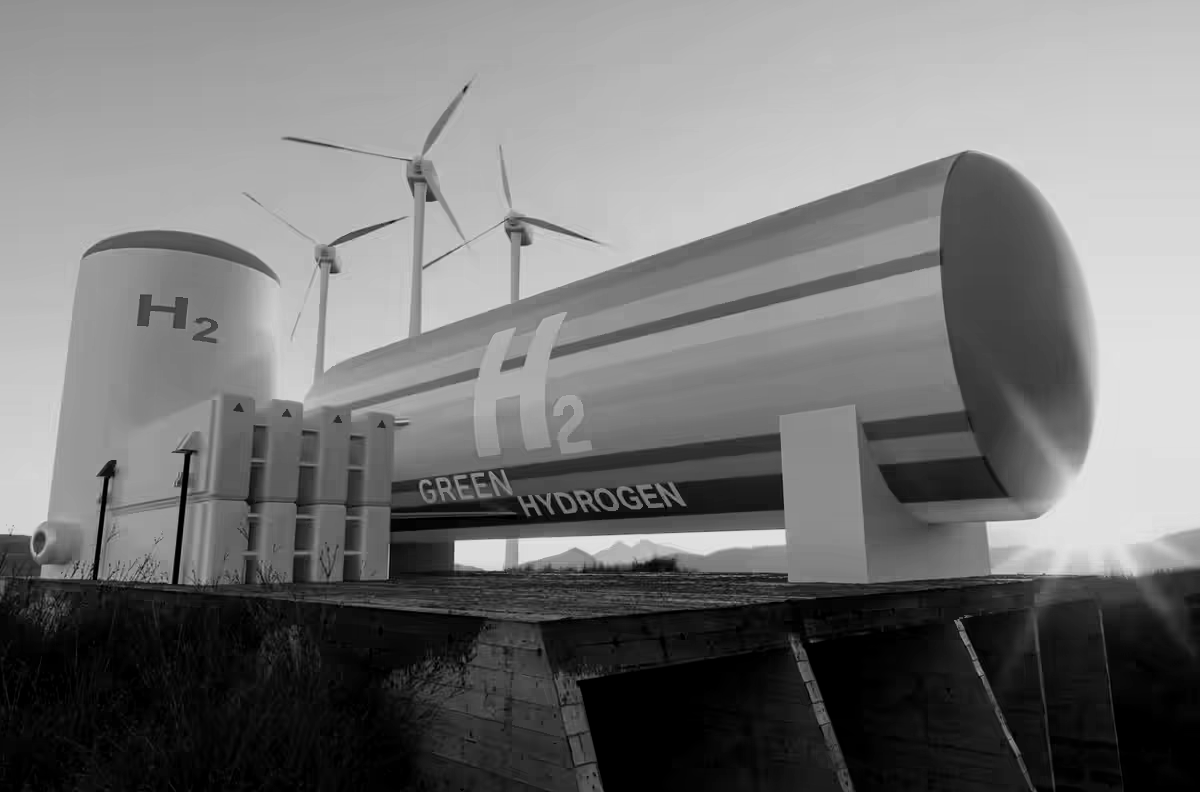
Hydrogen set to power India’s green steel future as prices fall sharply
As hydrogen prices fall faster than anticipated, India’s steel industry may soon enter a new era of green transformation, one that positions the country as a global leader in sustainable steel production and industrial self-reliance.
Delivering the keynote address at the CII Steel Summit 2025, Union Steel Secretary Sandeep Poundrik said that hydrogen could become a viable alternative to natural gas within the next five to ten years, marking a critical turning point in India’s decarbonisation efforts. “The ‘DRI plus Hydrogen’ route offers a promising pathway for green steel production,” Poundrik stated, emphasizing that the steel sector lies at the heart of India’s sustainability journey.
Hydrogen* *e* *conomics and* *g* *reen* *t* *ransition :
Hydrogen prices have fallen by nearly 30–40% since 2022, according to recent government data, and are expected to reach $1.5–2 per kg by 2030 a level that could make hydrogen-based steelmaking commercially viable. This transition aligns closely with India’s national green hydrogen mission, which targets 5 million tonnes of annual green hydrogen production by 2030 and includes pilot projects for hydrogen use in industrial applications, including steelmaking.
However, experts note that scaling up requires massive investments in renewable power, electrolysers, and transport infrastructure. India currently lacks a national hydrogen pipeline network, and the development of storage and safety systems remains in early stages.
Steel as a* *p* *illar of a* *d* *ecarbonised* *e* *conomy :
Poundrik noted that India’s steel industry is both a major energy consumer and a key driver of industrialisation. The government’s strategy is to balance growth with sustainability by promoting cleaner technologies, energy efficiency, and circular economy models. India is the second-largest steel producer globally, yet its per capita consumption (around 80 kg) remains well below the global average of 230 kg indicating significant domestic growth potential.
Investment and* *d* *emand* *o* *utlook :
The Steel Secretary said there are strong investment opportunities driven by rising demand from defence, space, automotive, and renewable power sectors all expanding rapidly and requiring high-grade specialty steel. The National Steel Policy targets 300 million tonnes (MT) of production capacity by 2030–31 and 500 MT by 2047, aligned with the government’s “Viksit Bharat” vision.
Poundrik added that at the current pace, India is adding about 100 MT of new capacity every five to seven years, positioning itself to meet domestic needs and become a net exporter of sustainable steel.
Self-* *r* *eliance and* *q* *uality* *s* *tandards :
Underscoring the strategic importance of the sector, Poundrik said, “There is a strong need for India to achieve self-reliance in steel, given its strategic significance.”
The Ministry of Steel is working closely with the Ministry of Coal to increase domestic coking coal production, aiming to reduce import dependence. Additionally, the government has introduced Quality Control Orders (QCOs) to curb low-grade steel imports, creating a level playing field for domestic producers and ensuring international quality parity.
MSMEs : The* *b* *ackbone of Indian* *s* *teel
Contrary to common perception, nearly 47% of India’s steel is produced by over 2,200 small and medium enterprises (SMEs). These units form the core of India’s distributed steel ecosystem, especially in secondary steel production and regional supply chains.
However, the shift to green technologies poses challenges for smaller players due to high upfront costs, limited access to finance, and lack of technical know-how. Industry experts are calling for dedicated funding windows, green technology subsidies, and cluster-based innovation hubs to help MSMEs participate in the green transition.
Industry* *l* *eaders on the* *w* *ay* *f* *orward :
Koushik Chatterjee, Co-Chairman of the CII National Committee on Steel and Executive Director at Tata Steel Ltd, said that steel remains the backbone of India’s industrial and infrastructure expansion, enabling sectors from construction to clean energy. “Under the National Steel Policy, our target of 300 MT by 2030–31 and 500 MT by 2047 places steel at the heart of India’s growth story,” Chatterjee noted, adding that sustainability and digitalisation will be critical differentiators in global competitiveness.
Jayant Acharya, Co-Chairman of the CII Committee and CEO of JSW Steel Ltd, highlighted that strategic investment, self-reliance, and sustainability are the three pillars of the sector’s future. He pointed out that the elasticity of steel demand to GDP remains around 1.5, illustrating the industry’s strong correlation with economic activity. “Every steel plant becomes a growth engine for its region driving employment, infrastructure, and community development,” Acharya said.
Energy* *s* *ecurity and* *s* *kills for the* *f* *uture :
Transitioning to green steel will require massive renewable power capacity, as hydrogen electrolysis is energy-intensive. Experts estimate that by 2030, India’s steel sector could need an additional 50–60 GW of renewable capacity if hydrogen-based steelmaking scales up. The government and industry bodies are also working on skill development programs to prepare the workforce for new hydrogen and digital manufacturing technologies.