
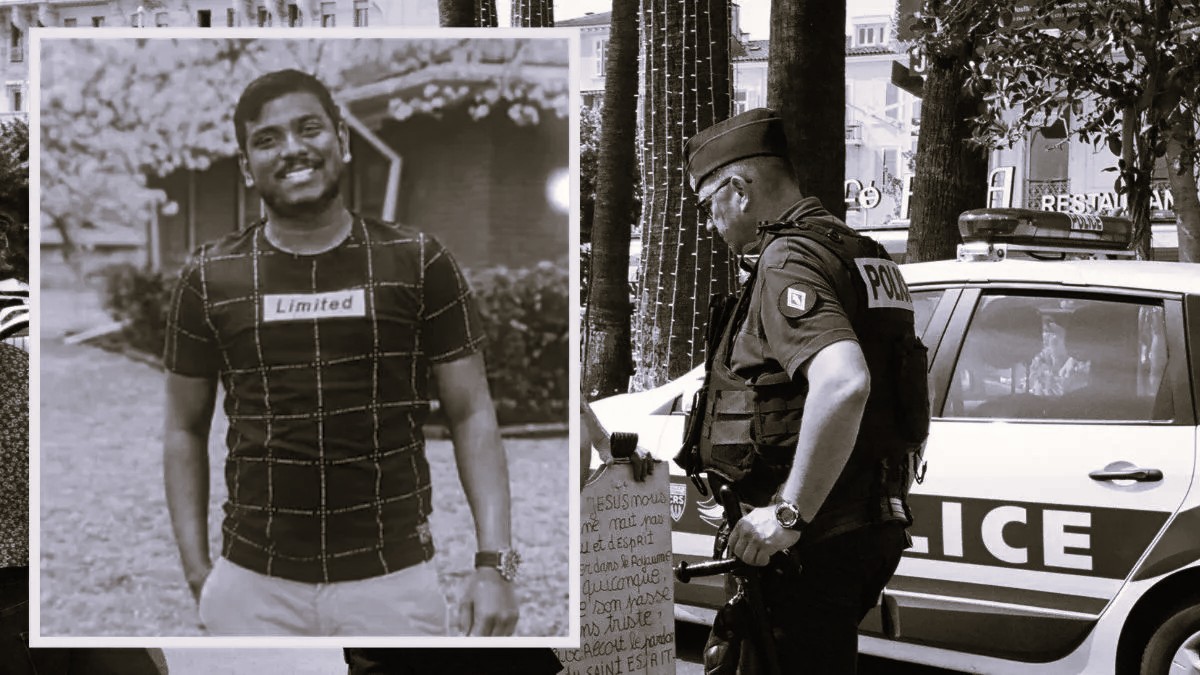
Hyderabad student shot dead in Dallas - Govt pledges repatriation
The tragic death of Pole Chandrashekar, a 28-year-old student from Hyderabad, has once again highlighted the vulnerabilities faced by Telangana’s youth studying and working abroad. Chandrashekar, who had completed his BDS in Hyderabad and pursued a Master’s in Data Analytics at the University of North Texas, was fatally shot while working a night shift at a gas station in Dallas. His family has appealed to the Telangana government for assistance in repatriating his mortal remains. Chief Minister A. Revanth Reddy has expressed condolences and assured support, while leaders like BRS MLA T. Harish Rao visited the grieving family and urged the government to expedite the process.
This incident is not isolated. Over the past five years, 633 Indian students have died abroad due to various reasons, including natural causes, accidents, and medical conditions. Canada has reported the highest number of such deaths, with 172 cases, followed by Ukraine with 18 incidents. While the majority of these deaths are non-violent, the recent spate of violent incidents involving Indian nationals, particularly in the United States, has raised serious concerns about student safety.
In response to these tragedies, the Telangana government has implemented measures to support the families of deceased migrant workers. For instance, families of Gulf workers who die in countries like Bahrain, Kuwait, Iraq, Oman, Qatar, Saudi Arabia, and the UAE are eligible for an ex-gratia payment of Rs 5 lakh. Recently, the government deposited a sum of Rs 3.3 crore towards ex-gratia for 66 families of Gulf victims. However, families of those who die in other countries have been denied this assistance, leading to dissatisfaction among the affected families.
When a tragedy like this occurs, the process of repatriating the deceased's body involves several steps. The local authorities in the host country must conduct an investigation and issue necessary documents, such as a death certificate and a no-objection certificate. The Indian consulate or embassy coordinates with the local authorities to facilitate the repatriation process. The family is typically responsible for the expenses involved, unless the government or community organizations step in to assist. In Chandrashekar's case, the Telangana government has assured support, but the actual timeline and procedures depend on the cooperation of U.S. authorities and the completion of legal formalities.
This incident serves as an alarm bell for both the Telangana government and the student community. The increasing number of violent incidents involving Indian nationals abroad underscores the need for enhanced safety measures and support systems for students and workers overseas. It is imperative for the government to establish clear protocols for assisting families in such situations, including financial support for repatriation and legal assistance. Additionally, there should be increased awareness and education among students about the potential risks and precautions to take while studying or working abroad.
For Telangana youth planning to go abroad, it is crucial to stay informed about the safety and legal requirements of the destination country. Registering with the Indian embassy or consulate upon arrival, maintaining regular communication with family, and having adequate health and travel insurance are essential steps. Moreover, students should avoid working in high-risk environments, especially during late hours, and be cautious of scams or fraudulent job offers. Engaging with local Indian communities and student organizations can provide a support network and valuable resources in times of need.
In conclusion, while the Telangana government has taken steps to support the families of deceased migrant workers, there is a pressing need for a comprehensive policy that addresses the challenges faced by students and workers abroad. The tragic death of Chandrashekar Pole should serve as a catalyst for systemic changes that prioritize the safety and well-being of Telangana’s citizens overseas.