
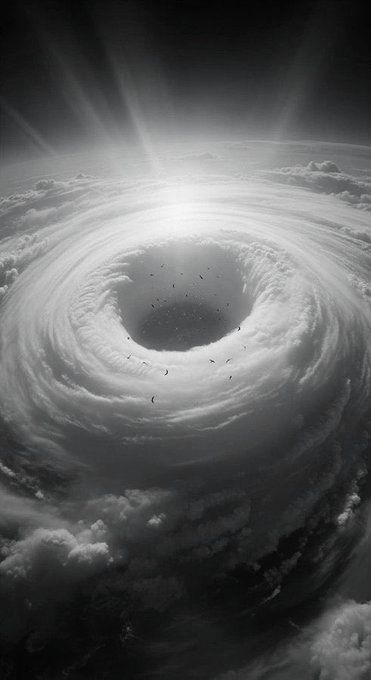
Hurricane Melissa devastates the Caribbean
Rescue and relief operations are underway across the Caribbean after Hurricane Melissa - one of the most powerful Atlantic storms in more than 150 years, battered Jamaica, Cuba, and the Bahamas, unleashing unprecedented destruction.
The massive storm brought torrential rain, destructive winds, and record storm surges, damaging thousands of homes, triggering mass evacuations, and leaving millions without electricity or clean water. Authorities warned that the full extent of devastation remains unknown as rescue crews struggle to reach remote areas.
Jamaica Faces Unprecedented Destruction
Melissa made landfall in Jamaica as a Category 5 hurricane, packing winds of up to 185 mph (295 kph) - one of the strongest ever recorded in the island’s history. The coastal town of Black River suffered catastrophic flooding, with storm surges rising over 15 feet, destroying homes, bridges, and essential infrastructure.
Thousands of residents were seen searching for food, water, and news of missing loved ones. Jamaica’s Defence Forces deployed helicopters for rescue missions and relief distribution as more than 13,000 people took shelter in emergency facilities.
Power and communication lines remain down across much of the island, with 72 percent of Jamaica still without electricity. Officials said the shortage of clean water, food, and medicine is worsening the humanitarian crisis.
“The country’s infrastructure has taken a battering, leaving it severely compromised,” said Desmond McKenzie, Jamaica’s Minister for Local Government and Community Development.
Cuba Suffers Widespread Flooding and Landslides
In Cuba, Melissa made landfall as a Category 3 storm, triggering landslides, flash floods, and severe infrastructure damage, particularly across eastern provinces. President Miguel Díaz-Canel confirmed “extensive damage,” with hundreds of rural communities completely cut off from the rest of the country.
More than 735,000 people were evacuated ahead of the storm, according to CNN, and thousands remain displaced as homes, roads, and power grids lay in ruins. Many areas are struggling with long-term power outages and shortages of fuel, food, and medical supplies.
Mass displacement across the caribbean
Tens of thousands remain displaced across Jamaica, Cuba, and the Bahamas. While Jamaica continues to house over 13,000 residents in temporary shelters, Cuba’s early evacuations spared many lives but left hundreds of thousands without homes to return to. In the Bahamas, officials reported thousands displaced as the storm flooded coastal communities and damaged transport networks.
International aid and relief efforts mobilized
The global response to Hurricane Melissa has intensified. U.S. Secretary of State Marco Rubio announced that Washington is ready to provide immediate humanitarian aid to Cuba through local partners, clarifying that U.S. law allows exemptions for private donations of food, medicine, and relief goods.
The United Kingdom pledged £2.5 million ($3.3 million) in emergency assistance and is organizing charter flights to evacuate British nationals stranded in Jamaica. China and Venezuela have dispatched relief shipments to Cuba, while the United Nations is coordinating regional delivery of essential supplies.
A video shared by China’s ambassador to Cuba showed hundreds of boxes labeled “family kit” being loaded for distribution to affected families.
The U.S.-led Disaster Assistance Response Team (DART), activated on October 29, has been deployed across the Caribbean to support recovery and logistical coordination.
Although Hurricane Melissa has since weakened to a Category 1 storm while brushing past Bermuda overnight Thursday, officials caution that the true scale of destruction across Jamaica, Cuba, and the Bahamas is still being assessed.