
Hungary, Slovakia to Build 127‑km Fuel Pipeline to Secure Regional Supplies
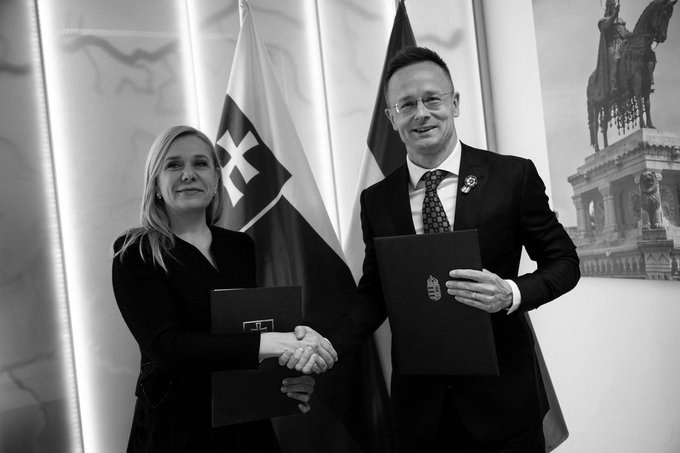
Hungary and Slovakia have signed an agreement to build a 127‑kilometre fuel pipeline connecting Hungary’s refinery in Százhalombatta with Slovakia’s refinery in Bratislava . Both refineries are owned by Hungary’s MOL Group , and the pipeline is expected to transport about 1.5 million tonnes of gasoline and diesel per year , with completion targeted by mid‑2027 . Hungarian Foreign Minister Péter Szijjártó said the pipeline would enhance Hungary’s energy and diesel supply while also helping the region counter global fuel disruptions .
The agreement comes amid ongoing tension over Russian oil supplies via the Druzhba pipeline , which have been interrupted since late January following alleged damage from Russian drone strikes . Both Hungary and Slovakia have accused Ukraine of deliberately delaying supplies, a charge Kyiv denies, prompting Hungary to block a €90‑billion EU loan to Ukraine in response. Slovakia’s Energy Ministry said the disruptions exposed the vulnerability of regional energy infrastructure and underscored the need to diversify supply routes and sources.
Hungary and Slovakia remain the only EU member states still importing Russian crude oil , and the new pipeline is expected to improve supply flexibility and enable more efficient fuel transfers between their refineries.
Other countries with historically pro‑Russia energy ties are taking similar measures. Serbia , for example, is pursuing an 113‑km oil pipeline with Hungary to ensure reliable crude supplies. Serbia’s state‑owned pipeline operator Transnafta plans to link its facilities with Hungary by 2027 , while its main refinery, NIS , majority-owned by Russian interests, has sought a US sanctions waiver to continue imports. These steps reflect a broader strategy by nations in Central and Eastern Europe to maintain access to Russian energy even as most of the EU moves to phase out Russian fossil fuels.
The Hungary‑Slovakia pipeline is therefore seen as a strategic move to stabilize fuel supplies , enhance regional energy security , and reduce vulnerability to geopolitical disruptions, while mirroring similar initiatives in other pro‑Russia countries such as Serbia.