
Households shift to asset-building as motor vehicles surge: EAC-PM
Indian households are increasingly moving away from expenditure on basic necessities and directing a larger share of their budgets towards asset-building goods, signalling a structural transformation in consumption behaviour, according to a new analysis released by the Economic Advisory Council to the Prime Minister (EAC-PM).
The study, comparing the Household Consumption Expenditure Surveys (HCES) of 2011–12 and 2023–24, shows that families across all income groups – Bottom 40% (B40), Middle 40% (M40), and Top 20% (T20) – are prioritising spending on personal goods and cooking and household appliances instead of traditional essentials such as clothing and footwear.
The report attributes the change to rising incomes, enhanced financial inclusion, improved market access and growing consumer aspirations. The expansion of credit and financing options particularly EMIs for appliances and two-wheelers has enabled a wider section of the population to invest in long-term durables. Better road connectivity, the spread of e-commerce and deeper retail penetration have further supported this transition.
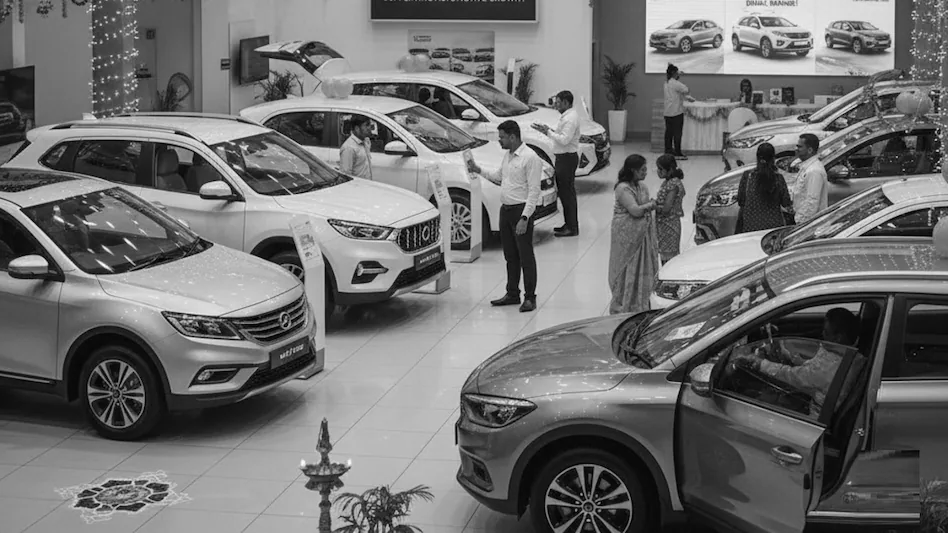
One of the most striking findings is the rapid increase in motor vehicle ownership, making it the fastest-growing durable asset in the country. Ownership has risen sharply across both rural and urban regions, with the bottom 40 per cent of households recording significant catch-up with the broader population. Improved rural roads, greater mobility needs and easy vehicle financing have been key enablers of this trend.
The rise in vehicle ownership holds major implications for India’s future transport and infrastructure planning. Experts note that higher vehicle density will require sustained investment in expanding and maintaining road networks, strengthening last-mile connectivity, improving parking infrastructure and adopting smarter traffic management technologies. The growing number of private vehicles also means higher near-term fuel demand and long-term planning for electric vehicle charging systems as EV adoption gathers pace.
At the same time, the shift underscores the need for balanced urban mobility planning to avoid congestion. Cities will have to scale up metro systems, expand bus fleets and promote non-motorised transport options while managing the rise in personal mobility. Increasing vehicle ownership is also expected to support India’s manufacturing ecosystem by boosting demand in the automobile and auto components industries, contributing to job creation and reinforcing the country’s ambition to become a global auto and EV hub.
Conversely, television ownership has risen slowly and, in several urban pockets, has even declined. With near-universal mobile phone access, households are increasingly relying on smartphones for entertainment and information, reducing dependence on traditional TV screens. Mobile handsets have become the most equitable durable asset in the country, with ownership nearly uniform across income groups.
The survey also highlights a broad reduction in asset poverty. Households without any durable asset category now account for only 5 per cent or less across all regions, while a rising share of families both in rural and urban areas own multiple categories of durable goods. This convergence reflects improved socioeconomic conditions and narrowing consumption gaps among different population segments.