
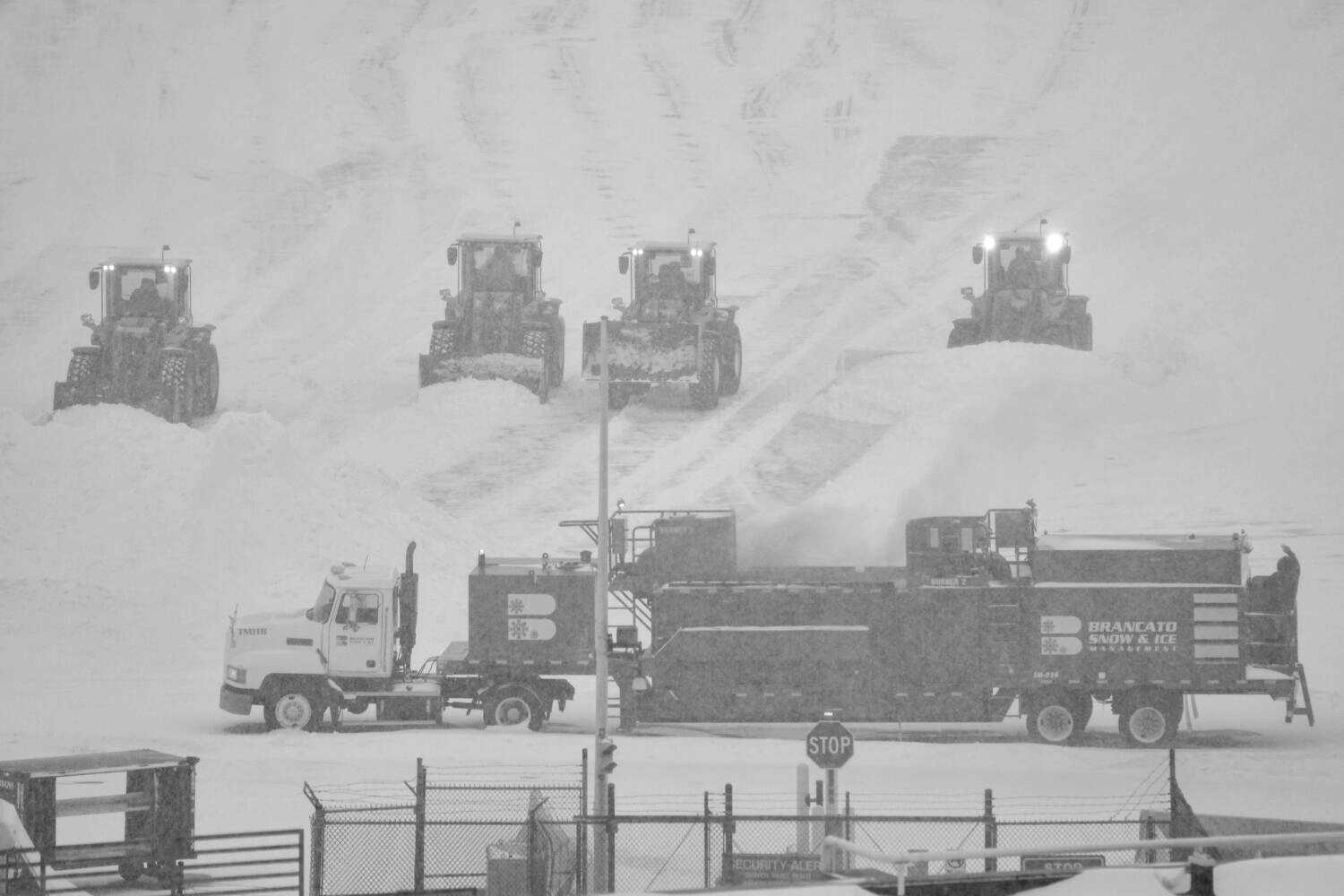
Historic winter storm paralyzes U.S. travel, leaves dozens dead and thousands stranded
A powerful winter storm that swept across large parts of the United States has caused widespread disruption to air travel, knocked out power to hundreds of thousands of homes, and claimed dozens of lives, marking one of the most severe weather events since the COVID-19 pandemic.
The storm, which stretched from the southern Plains to the Northeast, brought heavy snow, freezing rain and dangerously low temperatures to more than half of the U.S. population. Authorities reported at least 29 storm-related deaths , mostly due to road accidents, hypothermia and medical emergencies linked to extreme cold.
Airports across the country faced unprecedented disruption as airlines canceled thousands of flights over several days. More than 19,000 flights have been canceled nationwide since the weekend, with Sunday marking the worst day for air travel , the worst since the COVID shutdowns of 2020, as nearly 11,000 flights , about one in four nationwide, were grounded in a single day .
Major airports in New York, Philadelphia, Washington, Dallas-Fort Worth, Charlotte and Atlanta were among the hardest hit. Some airports temporarily shut down operations as snowfall and ice made runways unsafe. Airlines including American, Delta, United, Southwest and JetBlue reported heavy losses to their schedules, with many travelers stranded or forced to rebook for later in the week.
Aviation experts warned that recovery from such large-scale cancellations could take days because aircraft and crews are out of position and airport operations remain slowed by weather conditions.
Beyond aviation, the storm left nearly 600,000 customers without electricity in parts of the South and East, raising concerns about heating and safety during sub-zero temperatures. Emergency crews worked around the clock to restore power while dealing with blocked roads and fallen trees.
Road travel proved equally dangerous, with icy highways and poor visibility contributing to hundreds of accidents across multiple states. Governors in several states declared emergencies and urged residents to stay indoors unless travel was absolutely necessary.
Meteorologists said that although the main system is moving offshore, lingering cold air and snow will continue to affect transportation networks. Authorities cautioned that delays and cancellations may persist for several more days as airlines and rail operators work to stabilize schedules.
Weather officials described the storm as one of the largest winter systems in recent years, both in geographic reach and impact. The combination of snow, sleet and freezing rain created a dangerous mix that tested infrastructure and emergency response systems across the nation.
As recovery efforts continue, officials stress that safety remains the top priority while transportation networks gradually return to normal.