
Himanta Biswa Sarma Secures Hat-Trick As NDA Wins 101 Seats, BJP Bags 81 In Assam
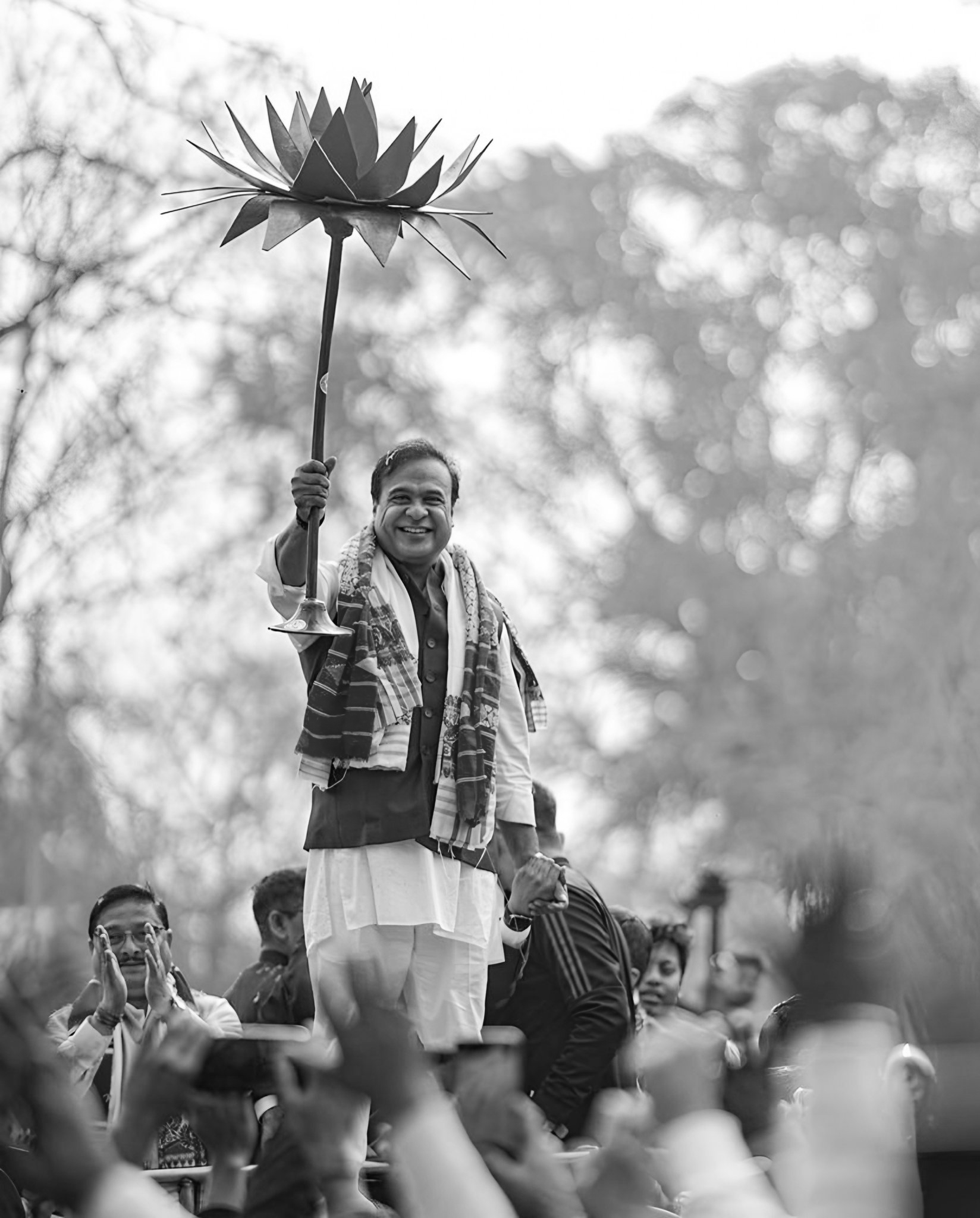
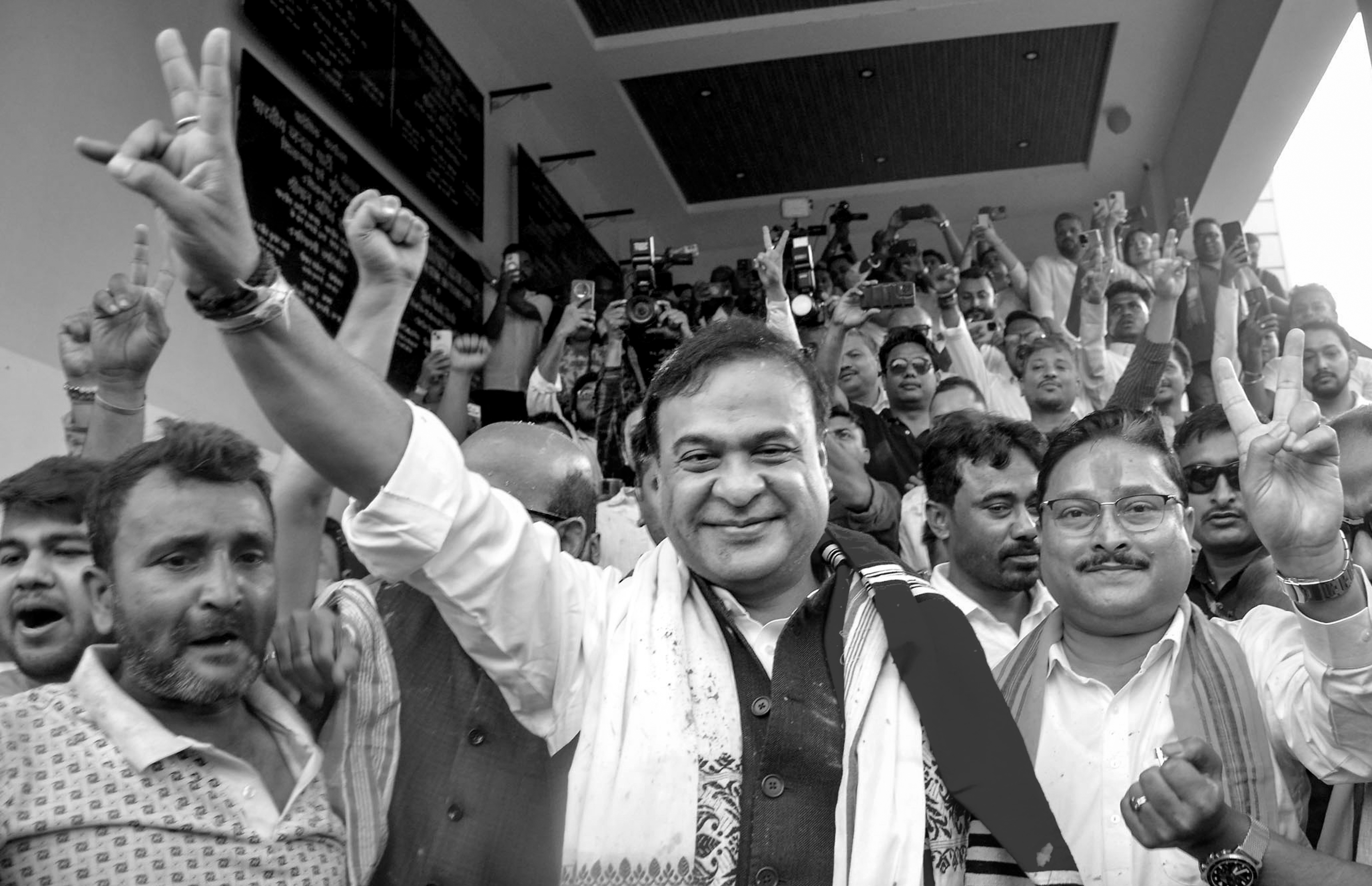
Himanta Biswa Sarma has further consolidated his position as a dominant political force in Assam, leading the Bharatiya Janata Party (BJP)-led National Democratic Alliance (NDA) to a third consecutive victory in the 2026 Assembly elections, with the alliance securing a two-thirds majority by winning 101 seats in the 126-member House.
The BJP emerged as the single largest party with 81 seats , while its allies the Bodo Peoples' Front (BPF) and the Asom Gana Parishad won 10 seats each , taking the NDA tally comfortably past the majority mark of 64. The BJP was also leading in one constituency at the time of reporting.
Sarma retained the Jalukbari seat for the sixth consecutive term , defeating Congress candidate Bidisha Neog by a margin of 89,434 votes , underlining his continued electoral appeal and firm grip over the state’s political landscape.
The verdict, described by BJP leaders as a “historic mandate” , also saw the party’s vote share rise to around 38.6 per cent , reflecting a steady consolidation of its support base since its first breakthrough in 2016.
The BJP’s electoral journey in Assam highlights a gradual but clear expansion. In 2016, the party came to power for the first time with around 33.6 per cent vote share, ending 15 years of Indian National Congress rule. In 2021, it retained power with 60 seats on its own , just short of a majority, but formed the government with allies. The 2026 results mark a decisive shift, with the BJP crossing the majority mark independently and the NDA achieving a two-thirds majority , signalling both consolidation and expansion of its political base.
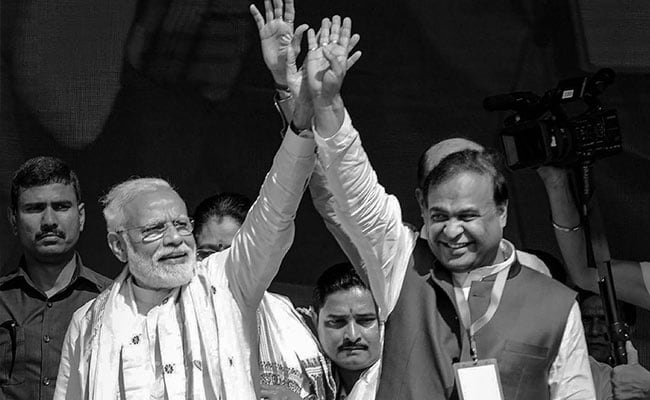
Projecting a governance model centred on “security and growth” , Sarma credited the victory to the development push under Prime Minister Narendra Modi and the NDA government’s performance in Assam. Senior leaders, including Sarbananda Sonowal and state BJP president Dilip Saikia, said the mandate reflected public endorsement of infrastructure development, welfare delivery and efforts to safeguard indigenous communities.
Sarma thanked voters for their support and expressed confidence that Assam would emerge as a leading state across sectors. Observers noted that the BJP was among the few ruling parties nationally to buck anti-incumbency , aided by welfare outreach, organisational strength and targeted political messaging.
The results, however, also underscored a sharply polarised electoral landscape . While the BJP swept large parts of indigenous and urban constituencies, minority votes appeared divided between the Congress and the All India United Democratic Front led by Badruddin Ajmal. The AIUDF secured just two seats , reflecting a decline in its influence, while the Congress won 15 seats and was leading in four others , indicating fragmentation within the opposition.
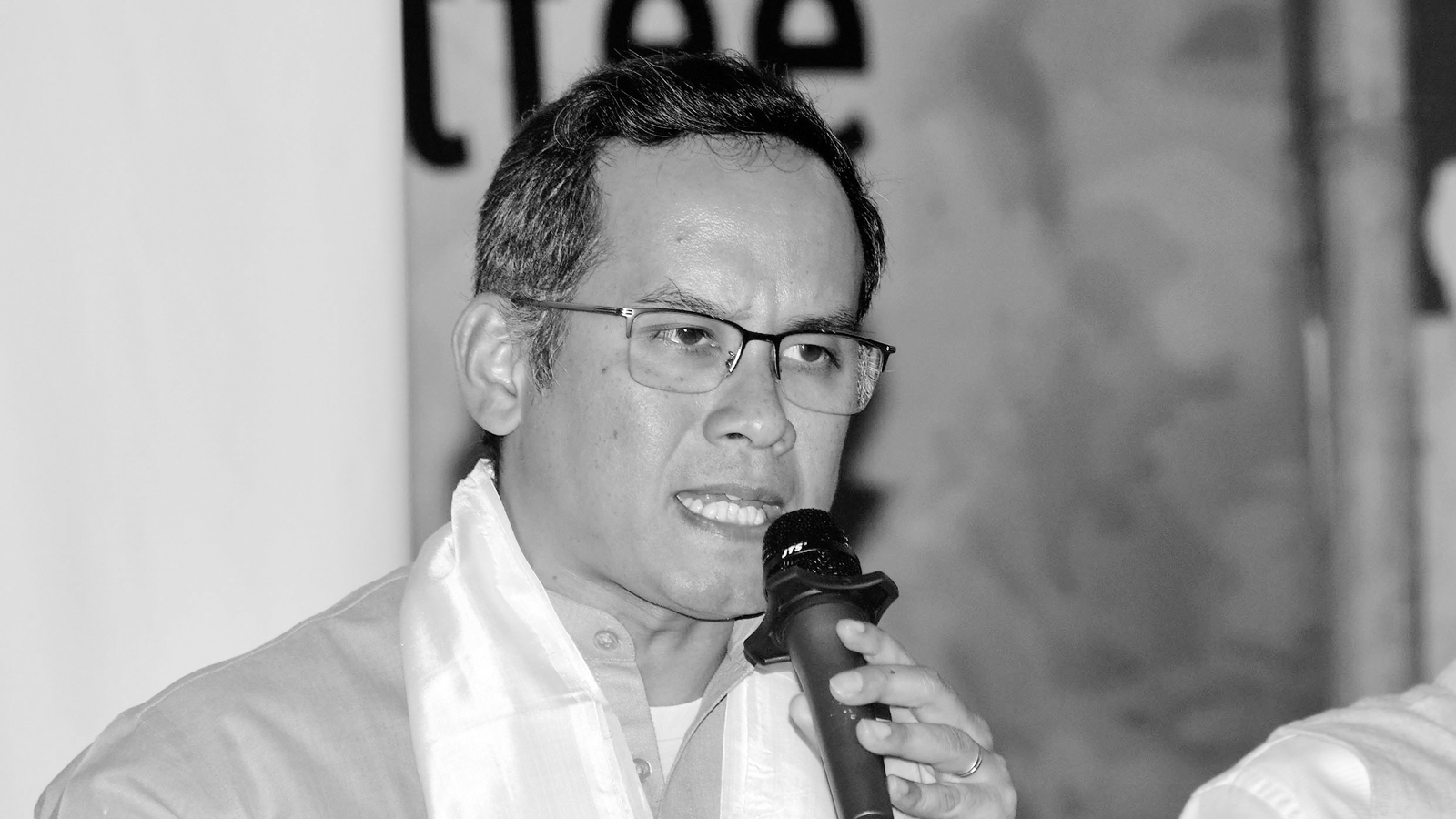
In a major setback to the Congress, its state president Gaurav Gogoi lost the Jorhat seat to senior BJP leader Hitendranath Goswami by 23,181 votes , marking a symbolic blow to the Gogoi family’s long-standing influence in Upper Assam.
Other opposition parties registered limited success, with the Raijor Dal winning two seats , including one by its president Akhil Gogoi from Sibsagar, while the All India Trinamool Congress secured one seat .
Among prominent BJP winners were ministers Ajanta Neog (Golaghat), Ranoj Pegu (Dhemaji), Pijush Hazarika (Jagiroad), Kaushik Rai (Lakhipur), Prashanta Phukan (Dibrugarh), Krishnendu Paul (Patharkandi) and Bimal Borah (Tingkhong). Assembly Speaker Biswajit Daimary won from Tamulpur, defeating former BTC chief Pramod Boro.
Several sitting BJP MLAs, including Mrinal Saikia, Bhuban Pegu, Rama Kanta Dewri, Rupak Sarmah, Paramanda Rajbongshi, Utpal Borah, Biswajit Phukan, Binod Hazarika, Taranga Gogoi, Bhaskar Sharma, Rupjyoti Kurmi and Bhuban Gam, also retained their seats.
From the alliance partners, AGP leaders Atul Bora and Keshav Mahanta held onto Bokakhat and Kaliabor respectively, while BPF leaders, including cabinet minister Charan Boro, also registered wins across their constituencies.
The outcome reinforces the perception that Assam is increasingly moving towards a bipolar political contest , with the BJP and the Congress emerging as the principal players, while regional parties continue to lose ground.
Sarma’s rise has been central to this transformation. Once a prominent Congress leader mentored by former chief minister Tarun Gogoi, he left the party in 2015 and joined the BJP, a move that significantly altered the state’s political trajectory. As convenor of the North East Democratic Alliance, he played a key role in expanding the NDA’s footprint across the Northeast.
After contributing to the BJP’s first government in Assam in 2016 alongside Sarbananda Sonowal, Sarma held key portfolios including finance, health, education and public works before becoming Chief Minister in 2021. His tenure has focused on infrastructure development, healthcare and welfare schemes, alongside policies aimed at protecting indigenous land rights.
At the same time, his government has faced criticism over controversial measures and rhetoric , including eviction drives, actions against child marriage and polygamy, enforcement of cattle protection laws, and closure or conversion of government-run madrasas. Opposition parties have accused the government of deepening social polarisation , a charge the BJP has consistently rejected.
Despite the criticism, Sarma has remained a central and assertive figure in Assam politics and a key campaigner for the BJP nationally.
Born in Jorhat in 1969, Sarma began his political career during the Assam Agitation and entered mainstream politics in 2001, winning from Jalukbari a seat he has retained ever since, apart from his initial defeat in 1996. He holds advanced degrees in political science and law and practised at the Gauhati High Court before entering full-time politics.
Polling for all 126 Assembly constituencies was held in a single phase on April 9.
The 2026 verdict marks not just another electoral victory but a significant shift in Assam’s political landscape , with the NDA consolidating its dominance and the opposition struggling to mount a cohesive challenge.