
Heritage Homecoming: India, US collaborate on return of stolen temple artefacts
The United States will return three ancient bronze sculptures to India after the Smithsonian’s National Museum of Asian Art in Washington DC confirmed that the artefacts had been illegally removed from temple sites in Tamil Nadu decades ago. Founded in 1923, the museum home to one of the world’s most significant collections of Asian art said the decision reflects its ongoing policy of reassessing collection histories and addressing objects with problematic provenance through cooperation with countries of origin.
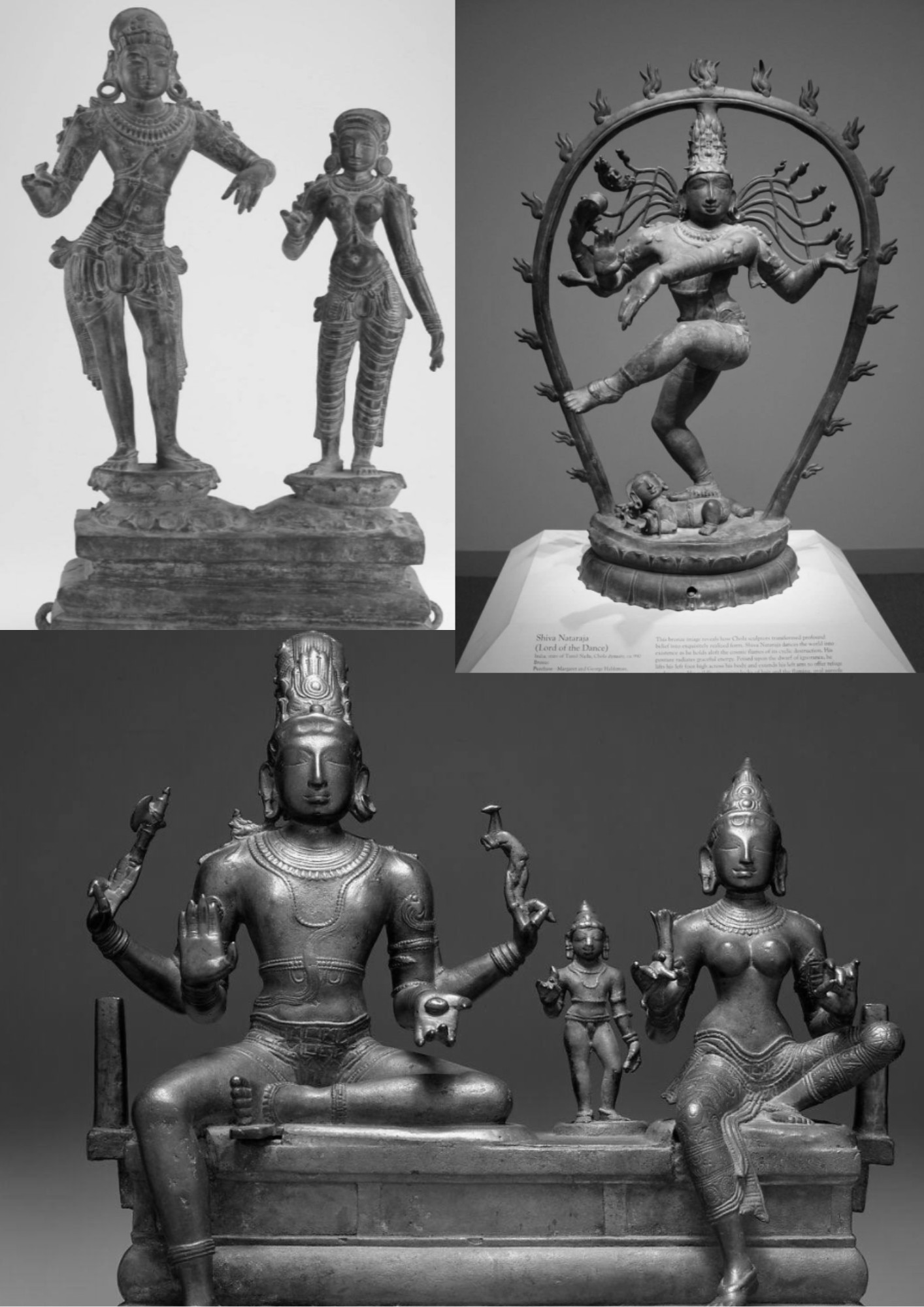
The decision follows a detailed provenance investigation that established the sculptures were taken out of India in violation of domestic heritage laws. The objects include a ‘Shiva Nataraja’ from the Chola period (circa 990 CE), a ‘Somaskanda’ from the 12th century Chola era, and ‘Saint Sundarar with Paravai’ from the Vijayanagar period (16th century). All three are considered masterpieces of South Indian bronze casting and were originally sacred processional icons used in temple rituals.
In a statement, the museum said the Government of India has agreed to place the Shiva Nataraja on long-term loan with the Smithsonian after its formal return, allowing it to remain on public display as part of the exhibition “The Art of Knowing in South Asia, Southeast Asia, and the Himalayas.” The arrangement will enable visitors to learn the full story of the sculpture’s origin, removal, and repatriation, while underlining the museum’s commitment to ethical collecting practices.
The museum and the Indian Embassy in Washington are finalising the logistical and diplomatic arrangements for the transfer.
Research carried out in collaboration with the Photo Archives of the French Institute of Pondicherry revealed that the three bronzes had been photographed in temples across Tamil Nadu between 1956 and 1959. The Archaeological Survey of India later confirmed that they were removed unlawfully.
The Shiva Nataraja was originally housed at the Sri Bhava Aushadesvara Temple in Tirutturaippundi, Tanjavur district, where it was documented in 1957. It was later acquired by the National Museum of Asian Art from a New York gallery in 2002, with investigators finding that falsified paperwork had been used during the transaction.
The Somaskanda was traced to the Visvanatha Temple in Alattur village, while the Saint Sundarar with Paravai was identified as belonging to the Shiva Temple in Veerasolapuram village. Both entered the Smithsonian’s collection as part of a large donation in 1987.
Museum director Chase Robinson said the return of the sculptures reflected the institution’s commitment to transparency and responsible stewardship of cultural heritage. He noted that the case demonstrated how rigorous research can correct historical wrongs and restore sacred objects to their rightful cultural context.
Officials and cultural experts see the repatriation as an important step in strengthening cultural cooperation between India and the United States. The return of the bronzes adds to a growing list of Indian antiquities recovered from foreign collections in recent years, signalling increased collaboration between museums, researchers, and governments.