
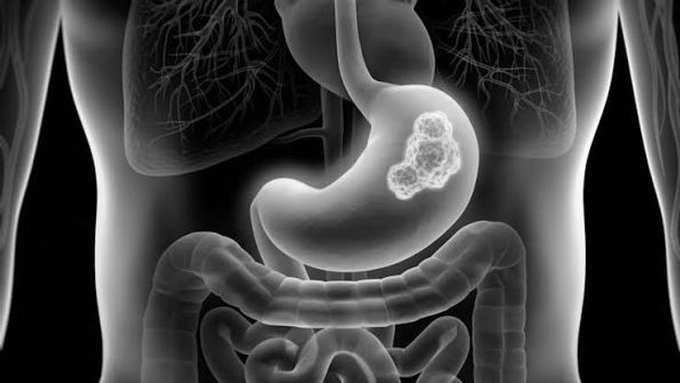
H. pylori Eradication Can Help Prevent Gastric Cancer, Says Nobel Laureate Barry Marshall
Eradicating Helicobacter pylori (H. pylori) infection early could become an important strategy to prevent gastric cancer, Nobel laureate and gastroenterologist Dr Barry Marshall said, calling for wider testing, appropriate treatment and follow-up to confirm that the bacterium has been cleared.
Marshall, who shared the 2005 Nobel Prize in Physiology or Medicine with Robin Warren for discovering H. pylori and its role in gastritis and peptic ulcers, said the bacterium should no longer be viewed merely as a cause of ulcers.
“If the infection persists for many years, it can cause chronic inflammation in the stomach and increase the risk of gastric cancer,” Marshall told PTI during his visit to India for the World Congress of Gastroenterology (WCOG 2026).
Held in New Delhi for the first time, the four-day congress concluded on October 3 and brought together around 3,000 delegates from 61 countries to discuss gastrointestinal and liver diseases, including gastric cancer prevention and H. pylori infection.
Marshall said identifying infected people and providing effective eradication therapy could interrupt the chain of events leading to cancer, particularly when treatment is given before extensive damage occurs.
However, he cautioned that rising antibiotic resistance is threatening the effectiveness of established H. pylori treatments. Resistance can vary between countries and regions, making it important to tailor therapy to local patterns, he said.
India, where H. pylori infection is common, has an important role in researching local bacterial strains and antibiotic resistance, Marshall said. Indian recommendations have included bismuth-containing quadruple therapy in areas with high clarithromycin resistance.
He also stressed that improvement in symptoms does not necessarily mean the infection has been eliminated. Follow-up testing is needed to confirm eradication and reduce the risk of continued infection. Marshall advocated simple and accessible non-invasive testing. He has invented PYtest, a 15-minute C14 urea breath test for detecting active H. pylori infection.
He said the H. pylori discovery also showed the importance of challenging established medical assumptions and remaining open to new evidence.