
Gujarati New Year 2025: What Makes Bestu Varas So Special?
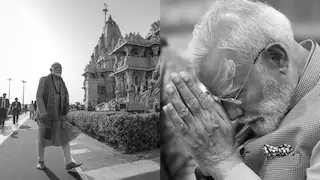
Prime Minister Narendra Modi extended his greetings to the people of Gujarat on the occasion of the Gujarati New Year, marking the beginning of Vikram Samvat 2082. In a message shared on X , the Prime Minister wished for happiness, peace, prosperity, and joy in the lives of all Gujaratis and expressed his hope that the state’s hardworking people and rich cultural heritage would continue to thrive.
The Gujarati New Year, also referred to as Bestu Varas, is celebrated a day after Diwali and holds significant cultural and spiritual importance. The festival symbolizes new beginnings, renewal, and prosperity, with communities across the state engaging in traditional rituals, family gatherings, and festive meals. It is also economically significant, as it marks the start of the financial year for traders and businesspeople, who open new ledgers as part of the customary Chopda Pujan.
Union Home Minister Amit Shah and Gujarat Chief Minister Bhupendra Patel also extended their greetings to citizens on the occasion. Chief Minister Patel highlighted the importance of promoting the ‘Swadeshi Movement’ by adopting indigenous products to strengthen a self-reliant Gujarat and India.
The celebrations include decorating homes with rangoli and lamps, wearing new attire, and preparing traditional foods such as shrikhand, basundi, and fafda, reflecting the region’s culinary heritage. The festival also has a close association with agricultural cycles, as it follows the post-monsoon period and coincides with the financial and trade-related activities of business communities, supporting local markets and rural economies.
Gujarati New Year celebrations also reflect the state’s cultural identity, showcasing traditional music, dance, and community gatherings. Similar regional New Year festivals across India, such as Ugadi in Andhra Pradesh and Telangana, Poila Boishakh in West Bengal, Puthandu in Tamil Nadu, Baisakhi in Punjab, and Gudhi Padwa in Maharashtra, are linked to agricultural cycles, harvest seasons, and economic activities, highlighting the integration of culture, spirituality, and livelihoods in regional practices.
Overall, the observance of Bestu Varas in Gujarat demonstrates the continuing vibrancy of the state’s cultural heritage, while simultaneously supporting trade, agriculture, and community cohesion.