
Gujarat HC Upholds Death Sentences for 38 Convicts in 2008 Ahmedabad Serial Blasts Case
The Gujarat High Court on Tuesday upheld the death sentences of 38 convicts and life imprisonment awarded to 11 others in the 2008 Ahmedabad serial blasts case , reaffirming the special court’s landmark verdict against members of the banned terror organisation Indian Mujahideen (IM) .
A division bench of Justice A.Y. Kogje and Justice Samir Dave dismissed appeals filed by the convicts and confirmed the 2022 judgment of the special court, which had delivered one of the largest-ever death penalty rulings in an Indian terrorism case.
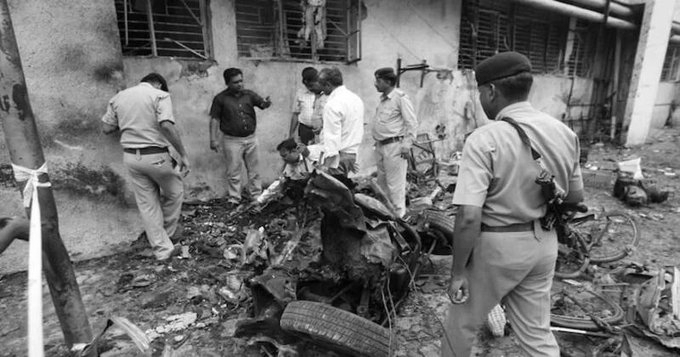
The verdict relates to the coordinated terror attacks carried out on July 26, 2008 , when 21 bomb blasts struck Ahmedabad within around 70 minutes , killing 56 people and injuring more than 200 others . Several hospitals and public locations were targeted as part of the attack, which created widespread panic across Gujarat’s largest city.
Following a lengthy investigation, authorities arrested several accused linked to the Indian Mujahideen , a terror group that investigators alleged was responsible for orchestrating a series of bomb attacks across India during that period. In February 2022, a special court convicted 49 accused, sentencing 38 to death and 11 to life imprisonment .
The High Court’s decision comes amid broader debates around anti-terror jurisprudence in India , particularly the balance between national security concerns, protection of civilians, and safeguards in criminal trials involving capital punishment. Courts have repeatedly held that terrorism cases require strict adherence to evidence standards while recognising the severe impact of attacks targeting innocent civilians.
The Ahmedabad blasts case has been significant in India’s counter-terror landscape due to its scale, the number of accused involved, and the extensive use of investigative and legal mechanisms under anti-terror laws.
With the High Court confirming the sentences, the matter could now move to the Supreme Court , where the convicts retain the option to challenge the verdict. The case remains among the most closely watched terror prosecutions in India’s judicial history.