
GST 2.0: Arrest Powers, Easier Registration and Faster Refunds on Council Agenda
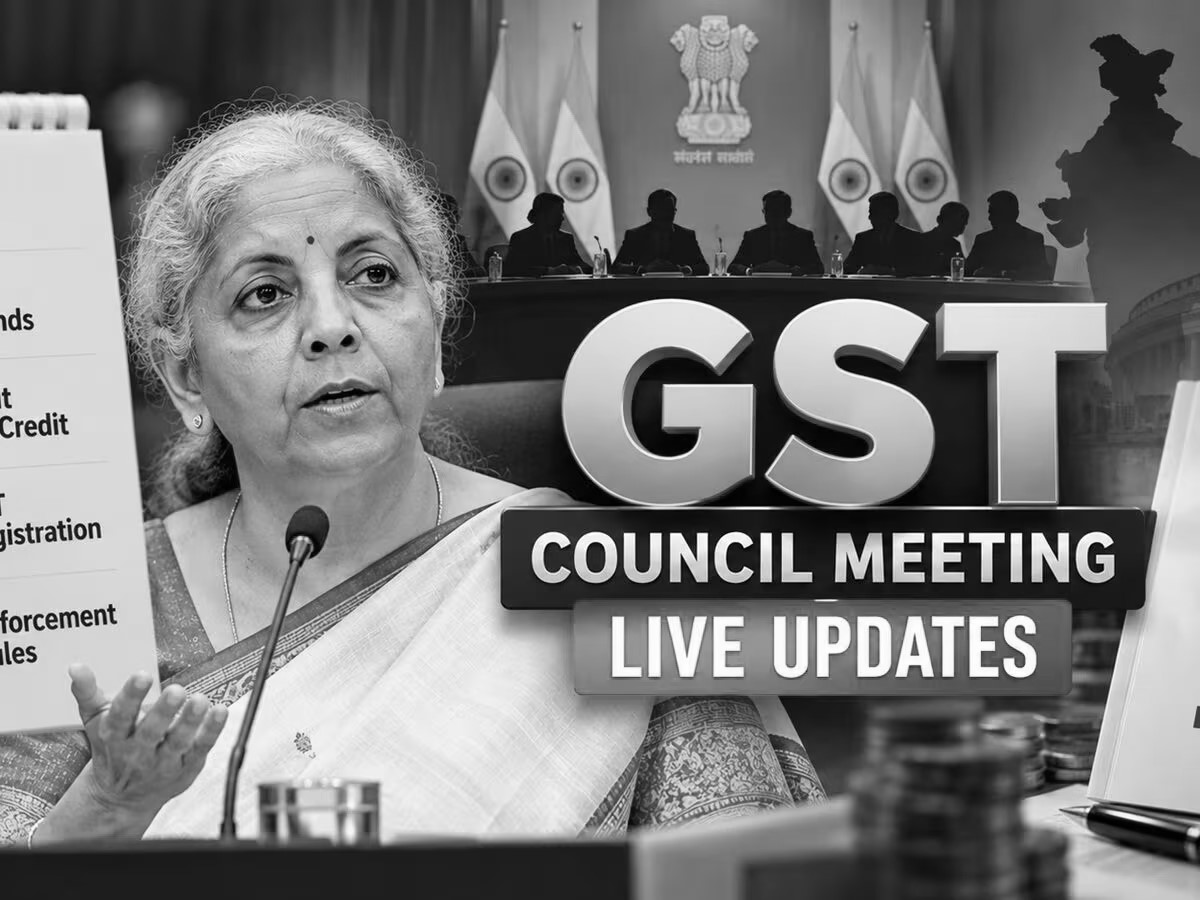
The 57th GST Council meeting on Thursday began deliberations on a set of proposed reforms covering enforcement, registration, returns and refunds, with several measures aimed at simplifying compliance.
A major proposal is to remove GST officers’ arrest powers and raise the threshold for criminal prosecution from Rs 1 crore to Rs 5 crore. The Council is also considering decriminalising nine offences and softening provisions for 24 others. In cases such as delayed returns, classification disputes and tax-payment delays linked to cash flow, taxpayers could avoid criminal proceedings by paying tax, interest and applicable penalties.
The Council is examining a common procedure for GST demands and notices across states. Tax officers could be required to inform taxpayers before issuing a formal notice, while demands below Rs 10,000 may not result in a notice.
Proposals to simplify registration include redesigned forms, clearer document requirements and reuse of information already submitted in another state. Small businesses selling through e-commerce platforms may be allowed to use a platform warehouse as their registered place of business in states where they have no premises. Physical verification and Aadhaar authentication would be required in one state, with simplified registration elsewhere. The proposal could benefit around 9.5 lakh small sellers.
For GST returns, the Council is considering an invoice-matching system to reconcile buyer and supplier invoices and address mismatches in input tax credit. The mechanism is intended to help distinguish genuine transactions from fraudulent credit claims.
Refund-related proposals include a 10-day acknowledgement process and risk-based release of 90 per cent of eligible refunds. The Council is also considering expanding refund provisions to cover certain input services and plant and machinery.
Other proposals include changes to rules for export of services, annual returns for some small B2C taxpayers, quarterly tax payments for eligible MSMEs, easier closure of businesses and intelligence-based logistics checks. A restructuring of GST officers’ committees is also under consideration.
The proposed changes are expected to be implemented in phases from early 2027, subject to approval by the Council and subsequent legal and administrative processes.