
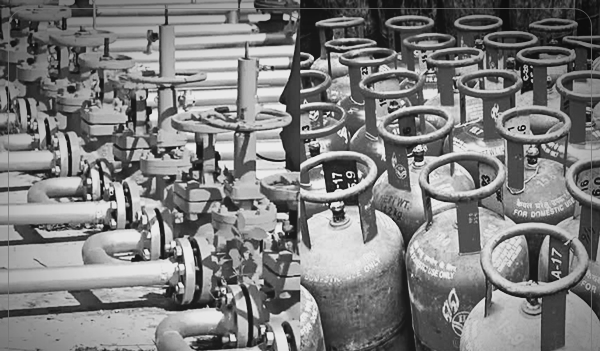
Govt orders dual-connection households to give up LPG amid Hormuz crisis
The Government of India has mandated that households holding both a Piped Natural Gas (PNG) connection and an LPG cylinder subscription surrender their LPG connection immediately — a sweeping directive triggered by mounting pressure on India's energy supply chains as conflict in West Asia chokes the Strait of Hormuz, a critical global energy transit route.
Global oil and gas prices have surged as military actions near the strait disrupted shipping lanes, triggering fears of prolonged shortages and inflationary pressure . India, which imports a significant portion of its crude and LPG through this passage, has responded by diversifying import routes and securing cargoes from multiple sources. Domestic refineries are operating at high capacity with adequate crude inventories, and the Centre has urged citizens not to panic buy petrol or diesel , assuring that retail stocks remain sufficient.
The logic behind the LPG surrender directive is straightforward: PNG-connected homes already receive a continuous piped gas supply and do not require cylinder allocations . Freeing up those cylinders, the government argues, redirects stock to millions of households that depend exclusively on LPG for cooking. Booking intervals have been adjusted to ensure equitable availability, commercial LPG users are being encouraged to migrate to PNG where feasible, and additional kerosene allocations and coal are being deployed to manage broader demand pressures.
In a notable maritime development, two Indian-flagged LPG carriers transporting roughly 92,700 tonnes of LPG have successfully navigated through the Strait of Hormuz and are heading toward Gujarat ports — amounting to approximately 1.25 days of India's national LPG consumption. Iranian diplomatic assurances have confirmed safe passage for Indian vessels even amid the wider conflict, a critical step for keeping energy imports flowing. State governments and union territories have established control rooms and enforcement teams to prevent hoarding and black-market sales of LPG and petroleum products.
Yet the policy invites serious scrutiny. The directive assumes clean, up-to-date records of dual-connection holders — a questionable premise given India's notoriously patchy utility databases. More fundamentally, PNG infrastructure barely extends beyond major cities , meaning the measure affects only a narrow slice of urban households while doing little to address the deeper structural vulnerability. The fact that two tankers carrying just 1.25 days of supply are being celebrated as a major win quietly reveals how thin India's strategic LPG buffer truly is . And with no independent verification of actual stock levels or a clear timeline for normalisation, asking citizens to simply "trust official sources" during a live geopolitical crisis risks undermining the very confidence authorities are trying to project.