
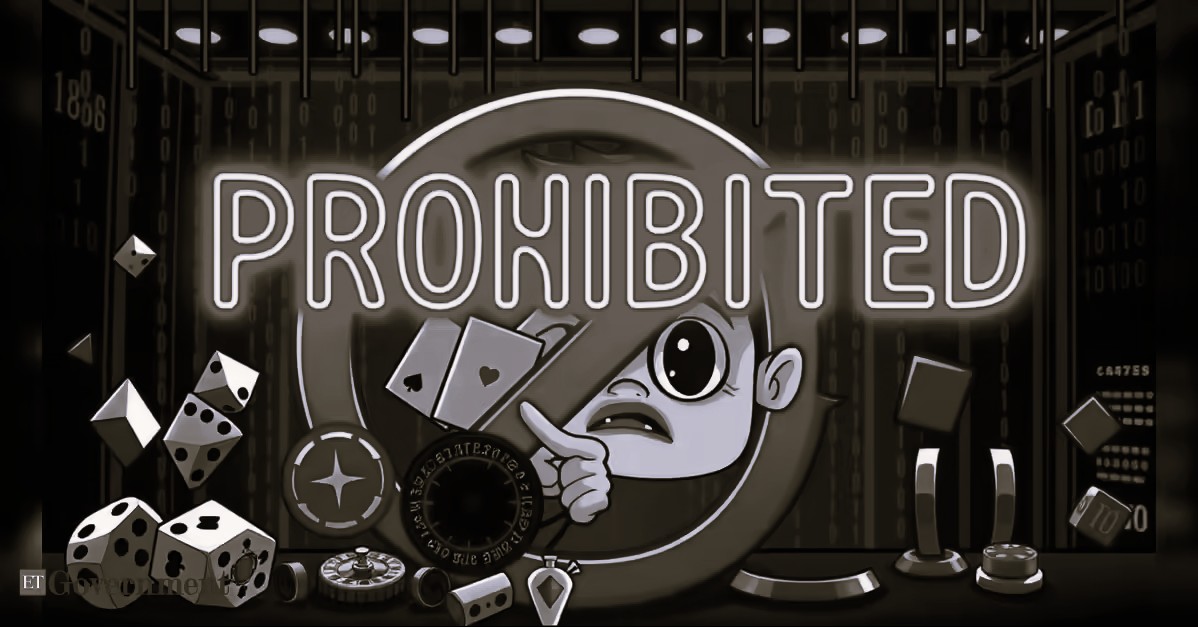
Govt drafts strict rules - Online money gaming violations now Non-Bailable
The Central government has unveiled draft rules under the Promotion and Regulation of Online Gaming (PROG) Act, 2025, significantly raising the stakes for India’s online gaming industry. The proposed framework makes violations of the Act cognizable and non-bailable, authorises warrantless searches of both physical and digital premises, and crucially, extends liability beyond company promoters to the entire staff found facilitating breaches. The Ministry of Electronics and Information Technology (MeitY), which has been tasked with enforcing the law, released the draft on Thursday and invited public feedback until October 31, 2025.
The PROG Act, passed by Parliament in August and received Presidential assent on August 22, represents one of the most sweeping regulatory crackdowns on the real-money gaming (RMG) sector. Originally introduced in the Lok Sabha in mid-August, the Bill moved swiftly through both Houses before being signed into law. Within days of its passage, several of India’s largest fantasy sports and RMG platforms suspended or wound down their paid offerings, signalling the shockwaves it had sent through the industry.
Under the law, online money games and their promotion are prohibited outright, regardless of whether they claim to be games of skill or chance. The draft rules now clarify the government’s intent to treat offences under Sections 5 and 7 with the utmost severity. Section 5 prohibits companies from offering, aiding, or abetting money games, while Section 7 bars banks and payment intermediaries from processing financial transactions linked to such services. By classifying these violations as non-bailable, the government has effectively placed them on par with serious criminal offences, a move that legal experts say could fundamentally alter compliance practices within the sector.
The draft rules also expand enforcement powers, allowing authorised officers to search and arrest without warrant if they suspect an offence has been committed or is about to be committed. Officers conducting searches whether on company premises or digital devices are shielded from legal liability for their actions under the Act. This provision has drawn particular attention from industry groups, which argue that it grants sweeping powers without adequate checks and balances.
MeitY, which is leading the regulatory charge, has signalled that it will set up a central gaming authority to oversee compliance, licensing and appeals, while simultaneously working to promote non-monetary gaming categories such as e-sports and educational games. The ministry has positioned the new regime as a balancing act: curbing the social and financial harms of money gaming while nurturing “safe” segments of the digital gaming economy.
For the industry, however, the impact has been immediate and severe. Platforms such as Dream11, Mobile Premier League (MPL), Zupee, PokerBaazi, My11Circle, and international operators like Junglee Games (owned by Flutter) have either suspended money-based contests or pivoted toward free-to-play models. Dream11, India’s largest fantasy sports platform, shifted its paid contests into free formats, while Junglee shuttered its money-gaming offerings entirely. Other firms have sought additional time to adjust to the regulations, with trade bodies cautioning the government about potential job losses and a projected fall in tax revenues. Industry estimates suggest the ban could cost the exchequer over ₹20,000 crore annually in lost GST collections.
The reaction has also spilled into the courts. Several companies have filed petitions in High Courts challenging the Act’s blanket ban, particularly on the grounds that it unfairly includes skill-based games, which earlier enjoyed a measure of legal protection. The Centre has asked for these cases to be transferred to the Supreme Court, setting the stage for a significant judicial battle that could determine the contours of India’s online gaming regulation for years to come.
For now, all eyes are on MeitY’s consultation process, which closes on October 31. The industry is hoping for transitional relief, exemptions for certain formats, or a softer stance on employee liability. Yet the government has given little indication of retreat. With its sweeping provisions and expanded enforcement powers, the PROG Act and its draft rules may mark the end of India’s booming real-money gaming industry as it is currently known, while pushing companies to reinvent themselves around free-to-play, subscription, and e-sports-driven business models.