
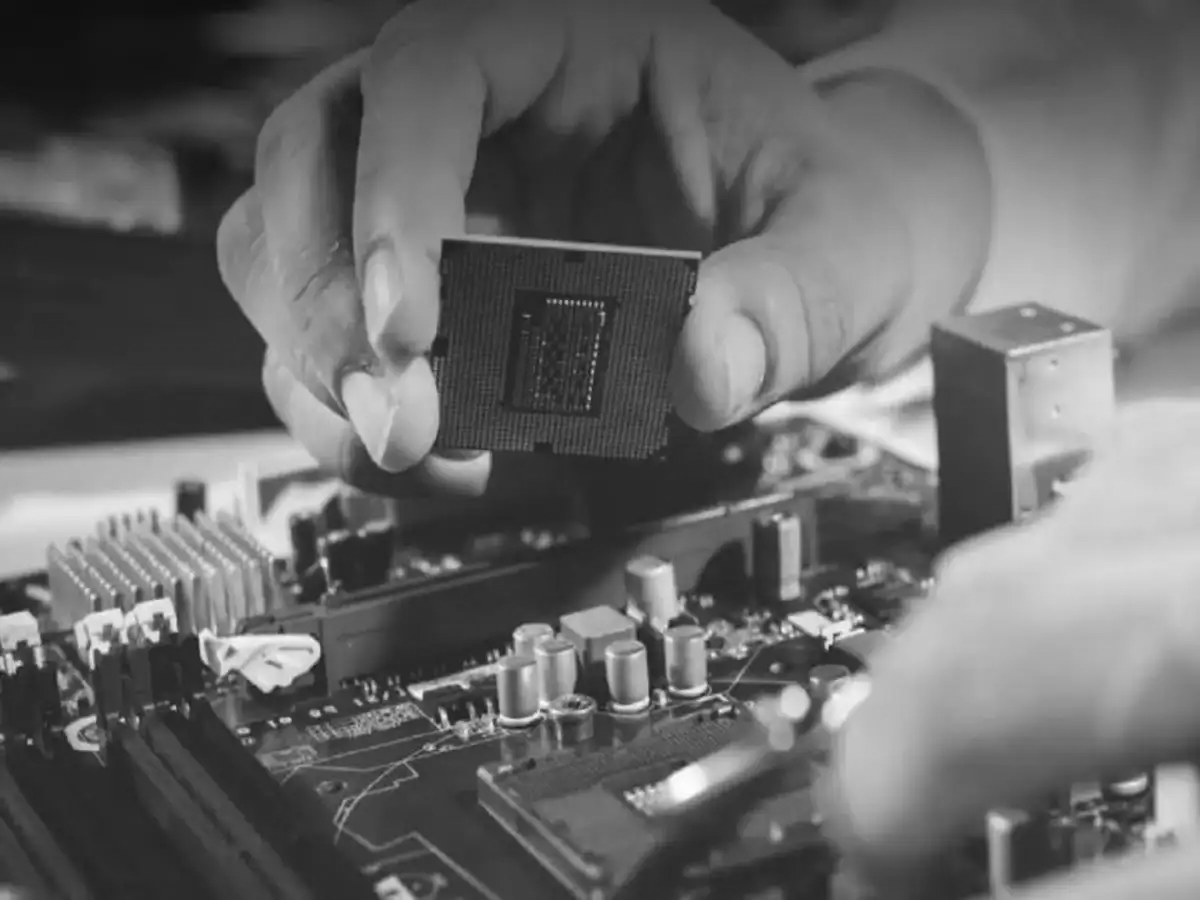
Govt clears 22 private electronics manufacturing projects worth Rs 41,863 crore
The Ministry of Electronics and IT has approved 22 new proposals under the Electronics Components Manufacturing Scheme ( ECMS ), with a planned investment of Rs 41,863 crore and projected production of Rs 2,58,152 crore. The projects are expected to create around 33,791 direct jobs across the country, providing a major boost to the domestic electronics sector. The ECMS scheme aims to promote domestic manufacturing of electronic components and reduce import dependence.
Major players such as Dixon Technologies , Samsung Display Noida Pvt Ltd , Foxconn (Yuzhan Technology India Pvt Ltd) , and Hindalco Industries have received approvals. The projects will be implemented across eight states: Andhra Pradesh, Haryana, Karnataka, Madhya Pradesh, Maharashtra, Tamil Nadu, Uttar Pradesh, and Rajasthan, reflecting the government’s push for geographically balanced industrial growth.
The approved proposals cover 11 key product segments that have cross-sector applications in mobile manufacturing, telecom, consumer electronics, strategic electronics, automotive, and IT hardware. Five are bare components, including PCBs, Capacitors, Connectors, Enclosures, and Li-ion Cells; three are sub-assemblies such as Camera Modules, Display Modules, and Optical Transceivers; and three focus on supply chain items like Aluminium Extrusion, Anode Material, and Laminate.
Of the major companies, Dixon Technologies and Hindalco Industries are fully Indian, while Samsung Display and Foxconn are foreign-owned companies operating through Indian subsidiaries, bringing global expertise alongside local employment. These approvals are expected to strengthen domestic supply chains, reduce import dependence, and promote high-value electronics manufacturing in India.
The government has highlighted that these projects are critical to making India a global hub for electronics production. By focusing on both capital-intensive components and labor-intensive assembly lines, the scheme ensures that high-tech manufacturing grows in tandem with job creation. Experts note that smaller local suppliers may also benefit indirectly through ancillary production and logistics, further boosting the ecosystem.
While the official projection cites 33,791 direct jobs , actual employment will depend on the speed of project execution and the level of automation adopted by each company. Typically, these plants are expected to be fully operational within 2–3 years, including land acquisition, construction, equipment installation, and workforce training.
The ECMS approvals are part of the government’s broader strategy to position India as self-reliant in electronics, reduce the country’s dependence on imports of critical components, and attract both domestic and foreign investment to tier-2 and tier-3 industrial regions.