
Google Translate Adds Live Speech Translation as Gemini AI Takes Over
Google has announced a significant upgrade to Google Translate by integrating advanced translation capabilities powered by its Gemini AI models. The update focuses on improving how the app understands meaning, tone, and context, rather than relying on literal word-for-word translations. The changes include smarter text translations, a new beta feature for live speech-to-speech translation through headphones, and expanded language learning tools, marking one of the most substantial updates to the platform in recent years.
With Gemini integration, Google Translate now delivers more natural and accurate text translations, particularly for idioms, slang, and region-specific expressions. Phrases that previously lost meaning when translated literally are now interpreted based on context, allowing the app to convey the intended message more clearly. This improvement is especially useful for everyday conversations, travel, and cross-cultural communication where nuance matters.
The enhanced text translation feature is rolling out in India and the United States, supporting translations between English and nearly 20 languages, including Hindi, Spanish, Chinese, Japanese, and German. The update is available across Android, iOS, and web platforms, ensuring wide access for users.
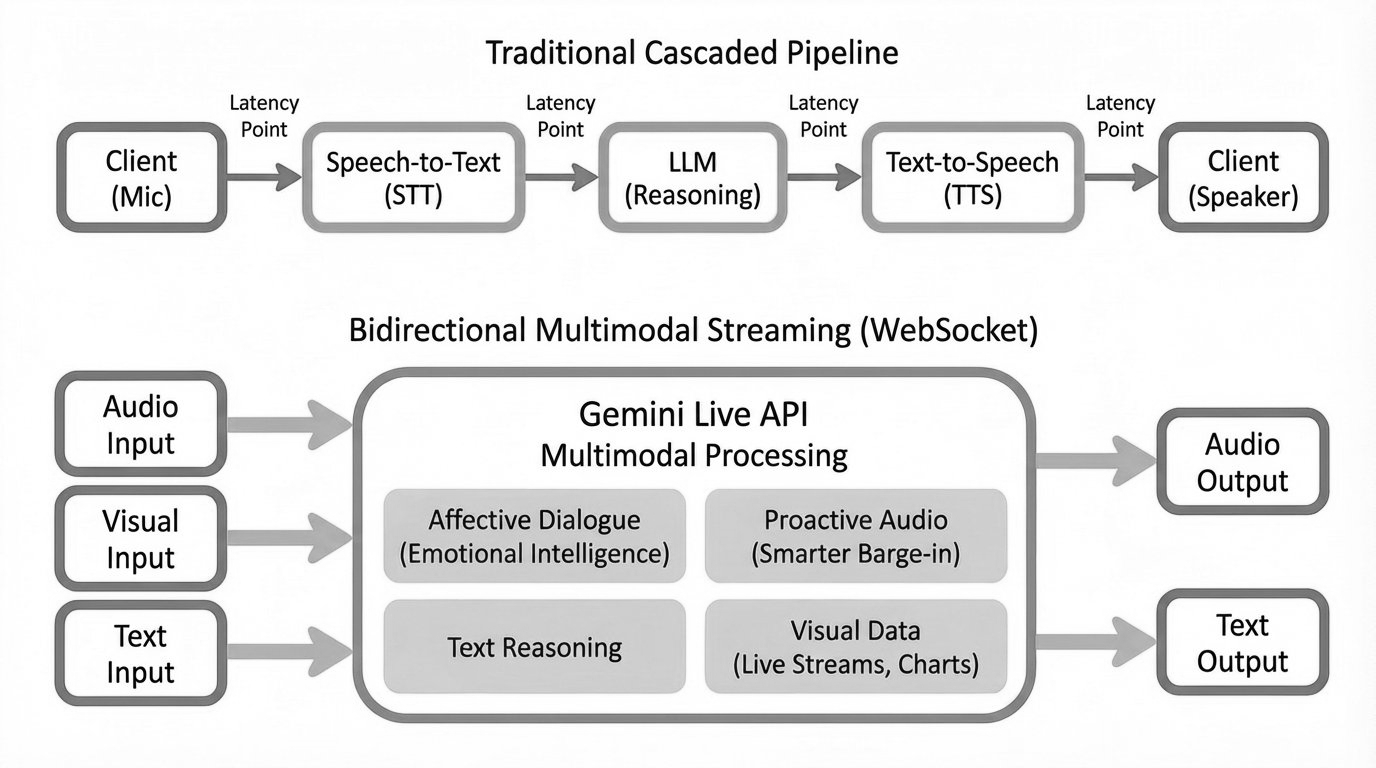
Google is also introducing a beta version of live speech-to-speech translation that allows users to hear real-time translations directly through their headphones. Powered by Gemini’s native speech capabilities, the feature aims to preserve tone, emphasis, and cadence, making translated speech sound more natural. This can be used for live conversations, listening to lectures while abroad, or consuming foreign-language audio and video content.
The live translation beta currently works with any pair of headphones and supports more than 70 languages. It is rolling out first on Android devices in India, the United States, and Mexico, with plans to expand to iOS and additional countries in 2026. Google says the system has been trained to perform better in noisy environments, such as public spaces and transit hubs, where speech recognition traditionally struggles.
Alongside translation upgrades, Google is expanding language learning features within the Translate app. Users will now receive improved feedback during speaking practice, along with streak-based progress tracking to help maintain consistency. These tools are being rolled out to nearly 20 additional countries, including India, Germany, Sweden, and Taiwan, with new language pairs added for practice.
The update also signals Google’s broader strategy of standardizing Gemini-powered translation across both consumer and enterprise products. Similar AI-driven translation improvements are being introduced in Google’s cloud and collaboration tools, indicating a push toward more seamless multilingual communication across personal and professional use cases.
While the upgrade represents a major leap in machine translation quality, Google continues to position these features as assistive tools rather than replacements for human expertise in high-stakes scenarios. With Gemini-powered models at its core, Google Translate is moving closer to capturing not just words, but the intent and meaning behind them, reshaping how users interact across languages.