
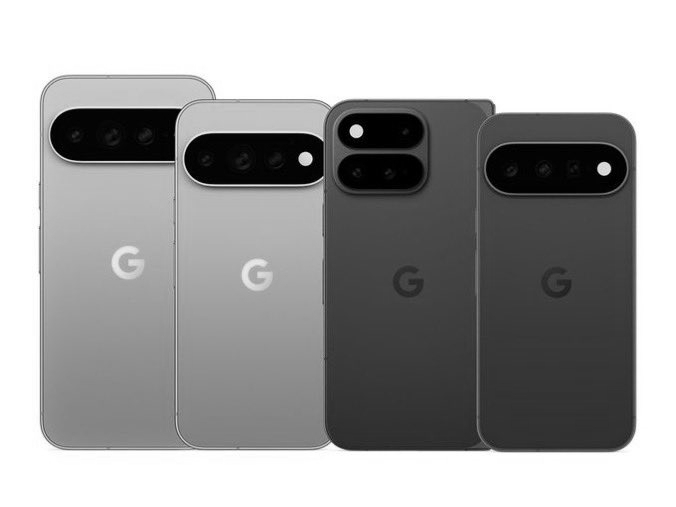
Google Pixel 11 Series Launches in India With Price Hike, New Tensor G6 Chip and AI Upgrades
Google has unveiled its Pixel 11 series, bringing a fresh design, a new-generation processor and deeper AI capabilities to its flagship smartphone lineup. The launch comes with a notable price increase in India, making the latest Pixel phones more expensive than their predecessors.
The new lineup includes the Pixel 11, Pixel 11 Pro, Pixel 11 Pro XL and Pixel 11 Pro Fold. According to pricing information available ahead of the launch, the standard Pixel 11 is expected to start at ₹89,999 in India, around ₹10,000 higher than the previous generation. The Pixel 11 Pro Fold is also expected to cost about ₹15,000 more than its predecessor.
One of the most visible changes is the redesigned camera bar. Google has introduced a new HiLight RGB notification light, adding a distinctive visual element to the rear camera area. The phones are also expected to arrive in more striking finishes, including mint green and vibrant pink, giving the lineup a more colourful identity.
Under the hood, the biggest upgrade is Google's new Tensor G6 chip. Reports indicate that the processor is built using TSMC's 2nm technology, potentially improving power efficiency and on-device AI performance. The new hardware is designed to work closely with Android 17, with Google's AI capabilities remaining a major focus of the Pixel experience.
Another notable change is storage. The standard Pixel models are expected to begin with 256GB, giving buyers twice the base storage offered by many previous configurations. However, reports suggest the Pro models could move in the opposite direction, with 12GB of RAM instead of 16GB on earlier models.
Google has opened pre-orders through its online store, giving Indian buyers an early opportunity to secure the new devices.
With higher prices, a redesigned appearance and a new 2nm Tensor platform, the Pixel 11 series represents a significant step in Google's flagship strategy. The bigger question for buyers will be whether the new AI and efficiency improvements are enough to justify the higher cost.