
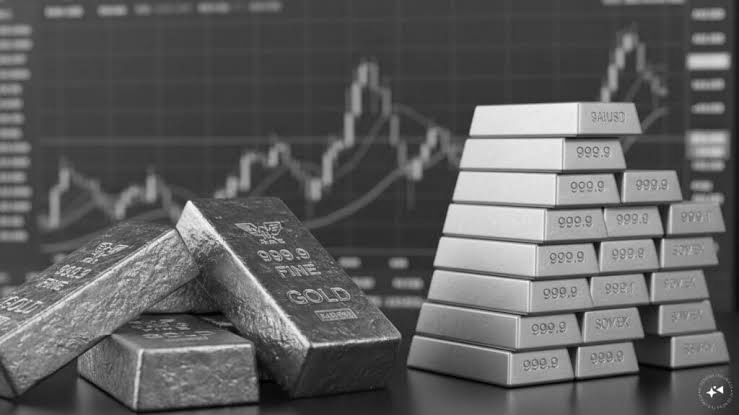
Gold Hits Three-Month Low as Silver Crashes Nearly 49% From Record High
Precious metal prices continued their steep decline on Thursday, with gold slipping to a three-month low and silver plunging nearly 49% from its all-time high, as surging crude oil prices fuelled inflation fears and strengthened expectations of interest rates remaining elevated for longer.
In New Delhi, gold of 99.9% purity fell by ₹1,000 to ₹1.48 lakh per 10 grams, down from ₹1.49 lakh on Wednesday, according to the All India Sarafa Association. Gold was last traded around this level on July 30.
Silver suffered a sharper fall, dropping ₹5,900 to ₹2,07,500 per kg, inclusive of all taxes. The metal has now hit a 10-month low, declining ₹31,500, or 13.18%, from its December 31 level of ₹2.39 lakh per kg.
The correction has been particularly severe compared with silver’s record high of ₹4,04,500 per kg on January 29. From that peak, the metal has shed ₹1.97 lakh per kg, marking a steep 48.70% decline.
In international markets, spot gold fell below the crucial $4,100-per-ounce mark, sliding nearly 1.7% to $4,072.30. Silver dropped almost 4% to $55.72 per ounce.
Market experts attributed the weakness to a combination of rising crude oil prices, geopolitical uncertainty and expectations of tighter monetary conditions. Brent crude climbing towards $112 per barrel has revived concerns that higher energy costs could fuel inflation, making central banks less likely to cut interest rates quickly.
Higher interest rates tend to weigh on gold and silver because they increase the opportunity cost of holding non-yielding assets. Silver’s greater price volatility has also contributed to its sharper correction.
Investors are now watching the US Federal Reserve’s October 27–28 policy meeting and upcoming US inflation data for clues about the future direction of interest rates and bullion prices. Easing crude prices and reduced tensions between the US and Iran could provide some relief to precious metals.
Meanwhile, the rupee was trading at around ₹94.56 against the US dollar, supported by foreign inflows and Reserve Bank of India measures. However, elevated crude prices remain a concern for India’s import bill and inflation outlook.