
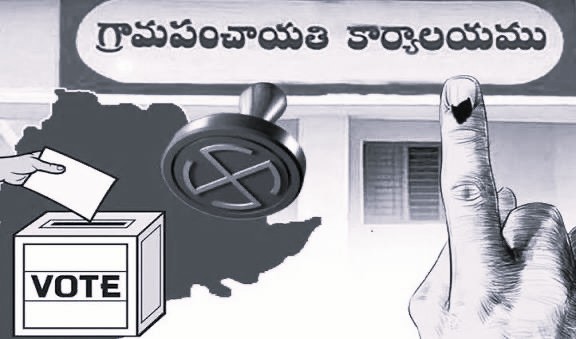
GO 46: Telangana rolls out equitable reservation policy for local body elections
The Telangana government has issued Government Order (GO) 46, setting new criteria for reservations in the upcoming Gram Panchayat elections and aiming to strengthen transparency, social justice, and compliance with Supreme Court directives. According to the new guidelines, seats for Sarpanch and Ward Members will be reserved for Scheduled Tribes (ST), Scheduled Castes (SC), Backward Classes (BC), and women, with the total reservations capped at 50 percent. The allocation process is now more data-driven, relying on the Socio-Economic, Education, Employment, Political, and Caste Survey (SEEPC) 2024 for BC quotas and the 2011 Census for SC/ST reservations. These shifts are designed to make the reservation process more equitable and current.
Reservations are implemented on a rotational basis, ensuring categories and locations reserved in prior elections do not repeat unless earlier quotas remained unfilled. In villages dominated entirely by ST populations, all posts will be reserved accordingly, maintaining community representation. Women’s representation is notably enhanced, with half of all reserved seats across categories set aside for women. If enough Gram Panchayats or wards are not available after other allocations, the remaining seats will go to women, with any further assignments decided through a public lottery to ensure transparency.
Administrative responsibilities are clarified: Mandal Parishad Development Officers (MPDOs) will finalize ward reservations while Revenue Divisional Officers (RDOs) will handle Sarpanch posts. Political party representatives are included in any lottery-based allocations to boost public trust. These processes must be completed rapidly, with authorities directed to notify allocations and prepare for electoral proceedings as per the High Court’s oversight.
GO 46 is regarded as a significant step for rural governance in Telangana, setting a new benchmark with its data-driven, rotational, and gender-balanced approach. If implemented as stipulated, the order aims to empower marginalized groups and women, offering them fair access to leadership roles and fostering robust public confidence in local elections. This reform addresses long-standing legal and administrative challenges, striving to create a more equitable landscape for grassroots democracy in the state.