
Ghaziabad sisters’ suicides: police investigate family turmoil and phone obsession
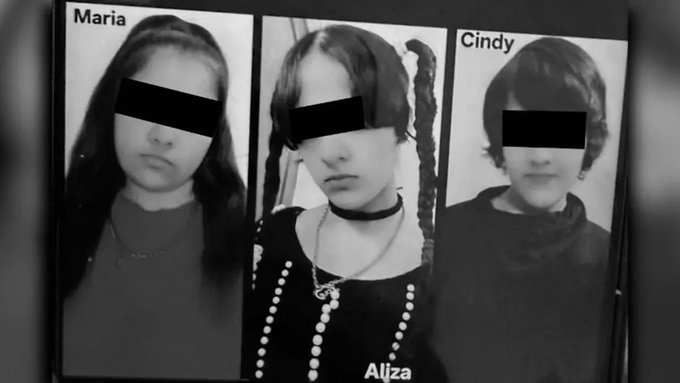
Police in Uttar Pradesh’s Ghaziabad are continuing a detailed investigation into the tragic suicides of three minor sisters - Nishika (16), Prachi (14), and Pakhi (12) - who jumped from the ninth floor of their apartment in Bharat City Society earlier this week. Preliminary findings indicate that the girls were deeply attached to their mobile phones , which connected them to their online world, including Korean dramas, music, and task‑based games. Investigators say the girls’ emotional state had been fragile, and the confiscation of their phones by their father, Chetan Kumar, removed one of their few sources of comfort. “All three were with their mothers and later locked themselves in the room, after which they jumped one by one,” an Assistant Commissioner of Police said, confirming the case is being treated as a suicide .
The father’s life and family situation are unusually complex. Kumar reportedly has three wives , all biological sisters, and has outstanding loans worth approximately 2 crore rupees , adding financial pressure to an already tense household. In 2015, his former live-in partner died under suspicious circumstances, previously treated as a suicide . Police say the family structure, combined with financial stress and complicated relationships between wives, children, and step-siblings, may have contributed to emotional tension. Kumar has publicly acknowledged the girls’ intense fixation on Korean culture and their reliance on digital worlds , and has described his struggle to balance authority, cultural guidance, and parental care.
The tragedy has highlighted a sad and pressing reality: while children may be deeply connected to digital spaces, they also need love, understanding, and emotional support from parents. “I don’t know why they jumped, but they were telling me that if they did not go to Korea, they would die,” Kumar told reporters, recalling the night before the incident when the girls insisted on using their mother’s phone to access Korean apps after he had confiscated their devices. Police are now recovering data from the sold phones and tracing the IMEI numbers to understand what content the sisters were consuming.
Forensic teams have seized the handwritten suicide note and a nine-page diary reflecting the girls’ feelings of isolation, emotional pain, and apologies directed to their father. The diary showed that while they were attached to digital worlds, they felt misunderstood and disconnected from the care they needed at home. Police officials have noted the household’s complexity, and investigators are also reviewing past events for context.
The sisters had largely stopped attending school and spent most of their time online. They had even run a YouTube channel showcasing their love for Korean culture, which their father deleted days before the tragedy. Police say diary entries and messages reveal the girls were isolated, emotionally distressed, and craving affection , yet instead of guidance, they faced restrictions that may have intensified their despair. DCP Nimish Patil said, “We are tracing the phones to verify what kind of online content was being accessed, but the emotional aspect cannot be ignored - children need love and attention, not just rules and restrictions.”
Even after their deaths, the sisters’ story reflects a broader societal challenge: many parents struggle to recognise signs of trauma or provide the emotional care that children need, and children who turn to digital worlds for comfort can be misunderstood. The girls were cremated at Delhi’s Nigam Bodh Ghat, leaving a grieving community to confront the harsh reality that emotional neglect and misunderstanding can have devastating consequences. Police continue to examine every angle, including family circumstances, digital behaviour, and mental health, while the nation reflects on the delicate balance between parental authority, love, and the complex inner worlds of children.