
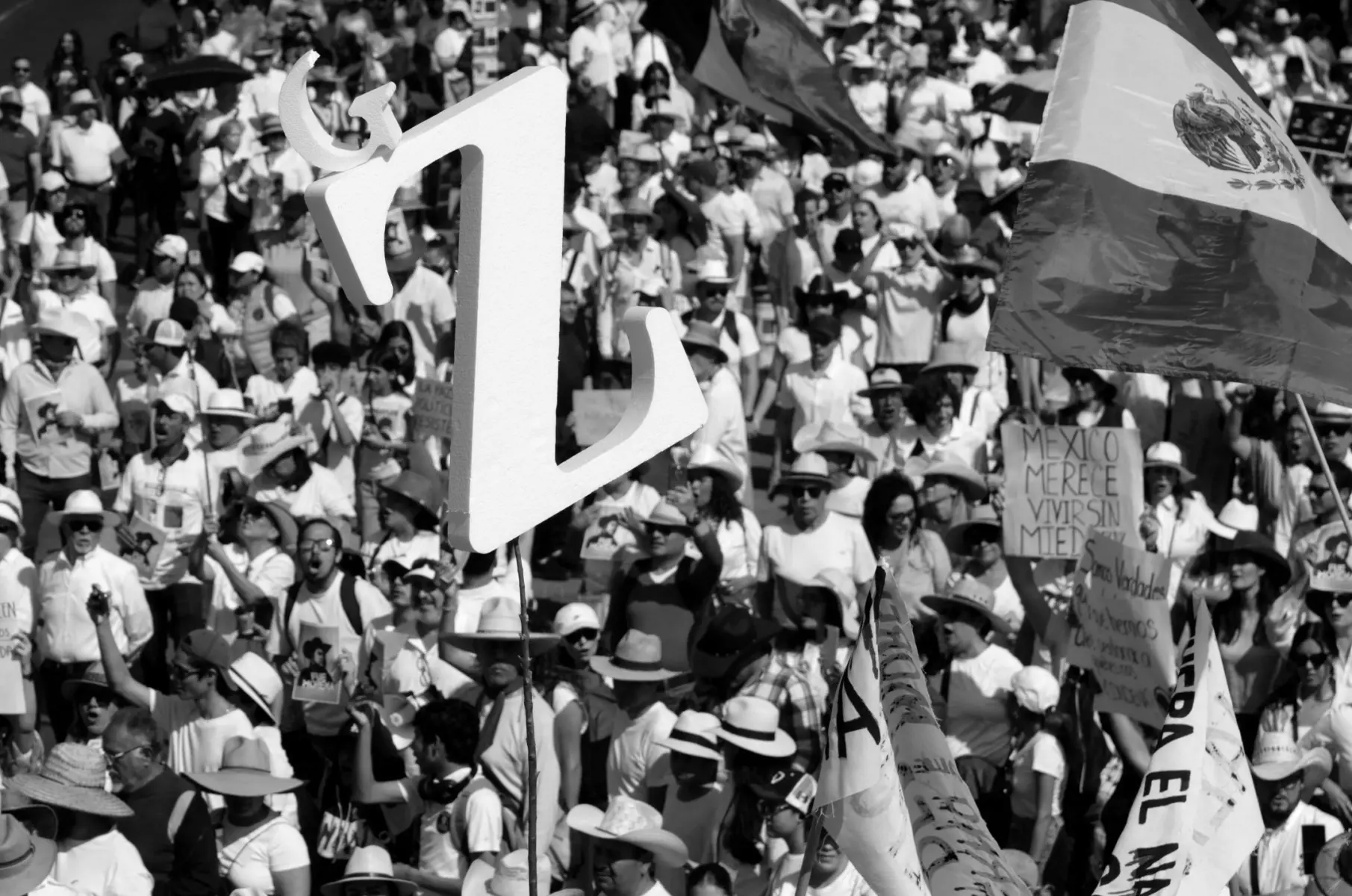
Gen-Z protests erupt in Mexico City over crime, corruption
The Gen-Z-led protests in Mexico City are the result of long-standing frustrations among young Mexicans over persistent crime, corruption, and lack of accountability in governance. While the demonstrations may appear sudden, they are not entirely spontaneous. For several years, youth activists, civil society groups, and social media communities have voiced concern about rising cartel violence, impunity for criminals, weak law enforcement, and political corruption. These issues have steadily built a sense of urgency among Generation Z, which is now large, digitally connected, and increasingly politically aware.
The recent assassination of Carlos Manzo, Mayor of Michoacán, acted as the immediate trigger for the protests. Manzo, aged 40, was shot dead during a public Day of the Dead event earlier this month, a brazen act that symbolised the failures of local and federal authorities to protect citizens and uphold the rule of law. Authorities have identified 17-year-old Víctor Manuel Ubaldo Vidales as the suspected gunman, who allegedly had links to the Jalisco New Generation Cartel (CJNG) and may have been recruited to retaliate against Manzo for cracking down on cartel activities. Forensic tests confirmed gunshot residue on Ubaldo, and authorities indicated that more than two individuals were involved, highlighting the premeditated and organised nature of the crime.
The protests are therefore both a response to this shocking incident and a manifestation of broader, ongoing grievances. Young people, organised under the banner of “Generation Z Mexico”, are demanding stronger government action against crime, corruption, and systemic impunity. They seek accountability, justice for Manzo, and reforms to ensure that public security and governance serve citizens rather than criminal interests.
Moreover, the movement has attracted support from older opposition figures and Manzo’s supporters, indicating that the protests are part of a wider coalition against government failures, rather than a purely youth-driven or spontaneous outburst. The combination of long-standing dissatisfaction and the catalysing event of Manzo’s assassination has created the conditions for large-scale mobilisations, with demonstrators targeting symbolic locations such as the National Palace to demand action and visibility for their cause.
In short, these protests are the culmination of years of simmering frustration among Mexico’s youth, triggered by a high-profile act of political violence, and are likely to have both immediate and long-term implications for governance, public trust, and youth political engagement in Mexico.