
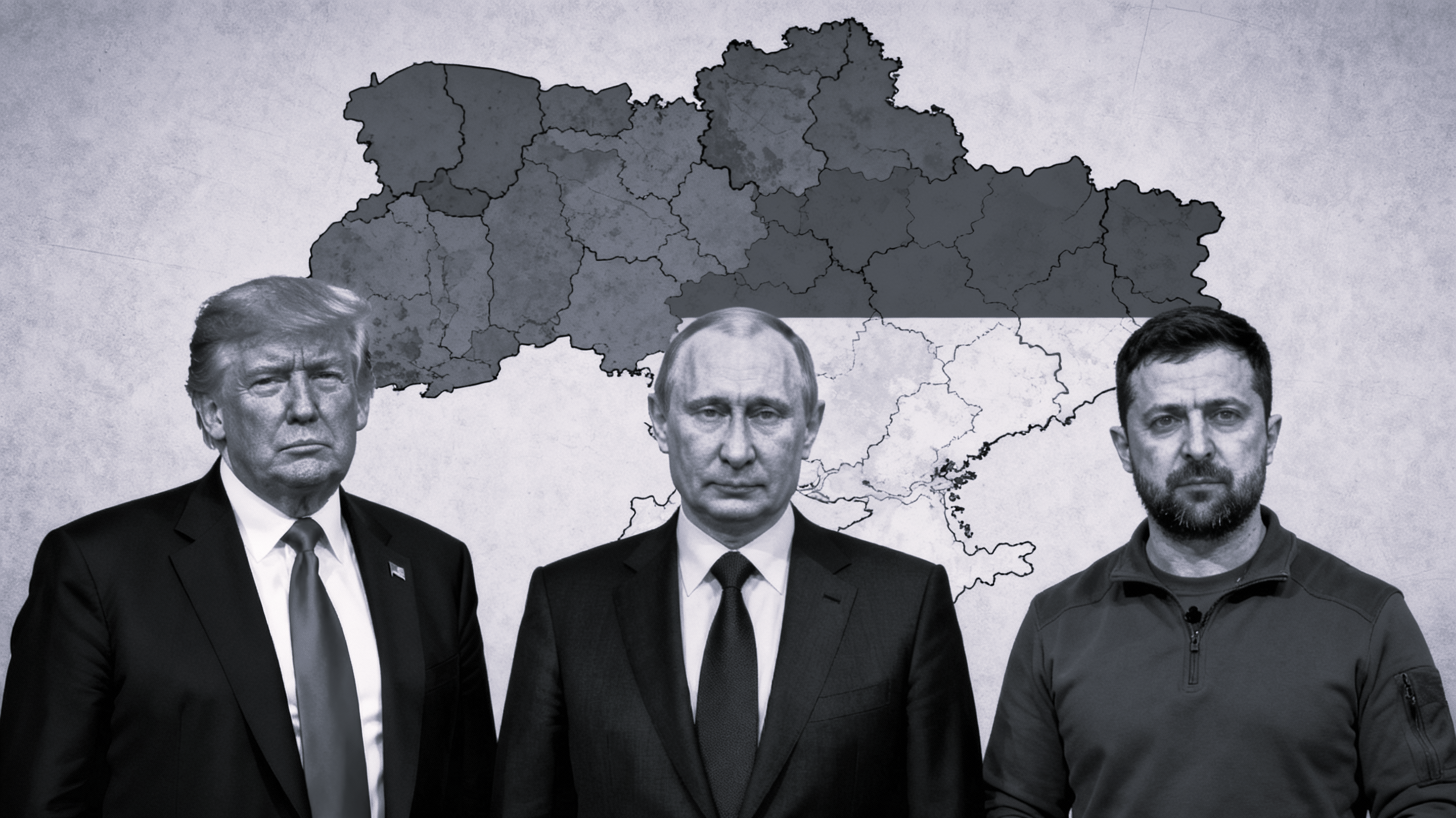
Geneva talks advance as U.S. revises controversial Ukraine peace plan
Ukrainian President Volodymyr Zelenskiy has issued a carefully framed message of gratitude toward the United States and former President Donald Trump as debate intensifies around a controversial 28-point peace proposal aimed at ending the war with Russia. His statement, which emphasized appreciation “to every American heart,” came soon after Trump publicly claimed that Ukraine had shown “zero gratitude” for U.S. help. Zelenskiy responded by highlighting that American assistance, starting with Javelin missiles, had saved Ukrainian lives, and also thanked European nations, the G7, and the G20 for their continued support.
The exchange followed Trump’s recent remarks at the White House during a bilateral meeting with El Salvador’s President Nayib Bukele, in which he criticized Zelenskiy for constantly seeking missiles and suggested that Ukraine should have known better than to take on a larger military adversary without assured victory. Trump’s pointed comments resurfaced just as Zelenskiy is pushing to acquire up to 10 U.S. Patriot air defense systems worth approximately $15 billion, with ongoing discussions about Europe potentially sharing costs to strengthen Ukraine’s air defenses amid escalating Russian missile strikes.
The U.S.-crafted 28-point peace proposal has become a central focus of international debate. The draft reportedly requires Ukraine to permanently drop its NATO membership ambitions, recognize Russian authority over Crimea, Luhansk, and Donetsk, and limit its armed forces to 600,000 personnel. In exchange, Ukraine would receive conditional security guarantees from the United States, although those commitments could be suspended if Ukraine were to launch missile attacks on Russian territory. The proposal also outlines an economic reconstruction framework involving the use of frozen Russian assets, managed through international and U.S.-led investment mechanisms, to rebuild Ukraine’s critical infrastructure.
The document includes humanitarian measures such as an all-for-all prisoner exchange, amnesty for wartime actions, and family reunifications, along with a call for Ukraine to hold national elections within 100 days of any agreement. The plan further suggests that Russia could be gradually reintegrated into international platforms, including the G8, if conditions are met. These provisions have sparked strong reactions across Europe, with some allies arguing that the terms tilt heavily in favor of Moscow, prompting discussions on an alternative European counterproposal.
Diplomatic talks in Geneva have tried to refine the original draft into a more balanced framework. U.S. officials have insisted that the proposal is intended as a starting point rather than an imposed settlement and that it aims to stop the conflict while preserving Ukraine’s sovereignty. Zelenskiy, in his remarks, emphasized that Ukraine is working carefully through every step of the peace process, insisting that any agreement must be structured “correctly” to not only end the war but prevent it from recurring.
His statement, though gracious in tone, appears designed to maintain U.S. support without compromising Ukraine’s core interests. While Trump’s recent criticism underscores differing views on continued military aid, it also highlights broader divisions within the United States and Europe over how to achieve a lasting peace. Amid these tensions, Zelenskiy is attempting to keep Ukraine’s international backers unified, while signaling that peace must be dignified, secure, and aligned with Ukraine’s future as a sovereign and democratic nation