
Gen Z wave reshapes Nepal politics as Balen Shah’s RSP sweeps polls
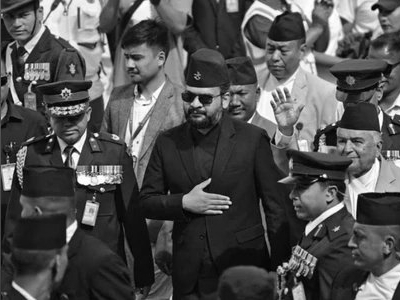
Nepal’s political landscape appears set for a dramatic shift as the Rastriya Swatantra Party (RSP), led by rapper-turned-politician Balendra Shah, surged ahead in the country’s general elections, dealing a major blow to traditional political forces.
According to the Election Commission of Nepal, the RSP had secured 62 seats out of 78 declared results as of 6 pm and was leading in around 60 additional constituencies , putting the relatively new party on track for a commanding victory.
In one of the most striking results, Balen Shah defeated four-time former prime minister K. P. Sharma Oli by a margin of nearly 50,000 votes in the Jhapa-5 constituency. Shah, 35, secured 68,348 votes , while the 74-year-old Oli managed 18,734 votes , according to official figures. Oli had been projected as the prime ministerial candidate of the Communist Party of Nepal (Unified Marxist–Leninist) (CPN-UML).
The elections mark Nepal’s first general vote since last year’s widespread Gen Z protests , which called for generational change in politics and stronger action against corruption. The rise of Shah and the RSP has been widely seen as reflecting the aspirations of younger voters seeking new leadership.
Reacting to the developments, Narendra Modi congratulated the people and government of Nepal for the successful and peaceful conduct of the polls. In a message posted on X, Modi said it was “heartening” to see Nepalis exercising their democratic rights with enthusiasm and described the elections as a “historic milestone” in the country’s democratic journey.
“As a close friend and neighbour, India remains steadfast in its commitment to working closely with the people of Nepal and their new government to scale new heights of shared peace, progress and prosperity,” the Indian prime minister said.