
Ganga Basin Hydro Projects Under Scanner Amid Growing Environmental Concerns
Growing environmental concerns over hydropower expansion in the Himalayas have intensified after the Centre informed the Supreme Court that no new hydroelectric projects should be allowed in the upper reaches of the Ganga basin , except for seven ongoing or operational projects in the Alaknanda and Bhagirathi river systems. Experts and activists say the move reflects increasing recognition of the ecological fragility of the Himalayan region, which has witnessed repeated climate-linked disasters in recent years.
The Centre’s submission comes amid ongoing legal proceedings linked to the devastating 2013 Kedarnath floods , which triggered nationwide debate over large-scale infrastructure development in Uttarakhand’s sensitive mountain terrain. The approved projects include the commissioned Tehri Stage-II , Kaliganga-II , Singoli Bhatwari and Madhmaheshwar projects, along with the under-construction Tapovan Vishnugad , Vishnugad Pipalkoti and Phata Byung hydropower ventures.
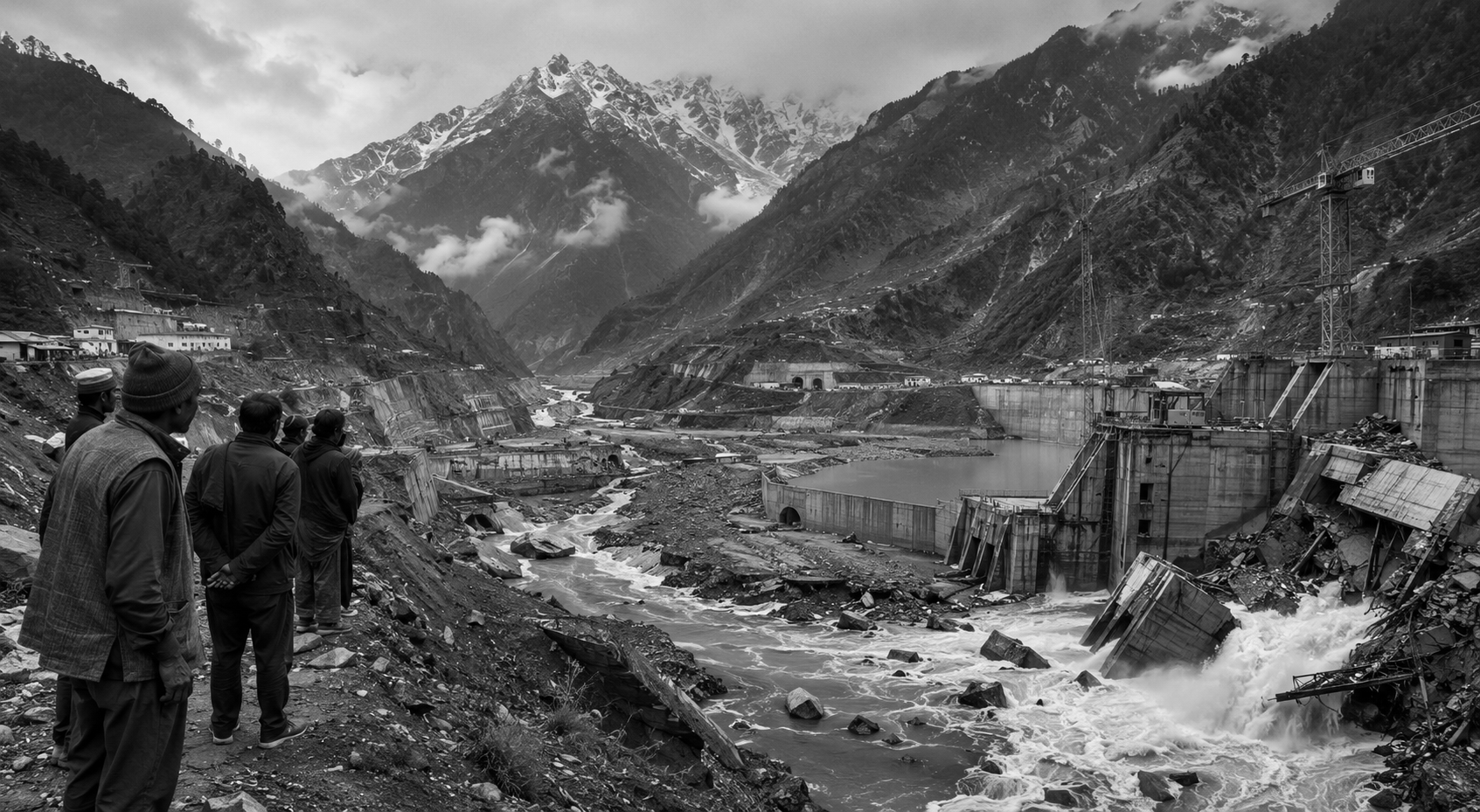
Former Supreme Court-appointed committee chairman Ravi Chopra questioned the government’s classification of some projects as “under construction,” particularly the Phata Byung project, which he said was “completely washed away” during floods and has yet to resume major construction despite changing ownership in 2025.
Chopra warned that several projects lie near the highly sensitive Main Central Thrust fault zone, making them vulnerable to earthquakes, landslides and glacial hazards. Environmentalists argue that tunnel blasting, deforestation and extensive excavation are destabilising already fragile Himalayan slopes.
The concerns have deepened following disasters such as the 2021 Chamoli tragedy , where a glacier-rock avalanche devastated the Tapovan Vishnugad project site and killed more than 200 people. Chipko Movement leader Chandi Prasad Bhatt said such incidents demonstrate the dangers of ignoring Himalayan ecology in the pursuit of energy development.
Scientists also warn that climate change is accelerating glacier melt and increasing the risk of Glacial Lake Outburst Floods (GLOFs) , threatening dams, tunnels and downstream settlements. While governments continue to promote hydropower as a source of clean energy and energy security, experts are increasingly calling for stricter environmental assessments, basin-wide planning and climate-resilient infrastructure models before further projects are approved in the Himalayan region.