
Gandikota: The Grand Canyon of India with a Thousand Years of Stories
In the heart of Andhra Pradesh’s Kadapa district lies a landscape that feels almost cinematic in its scale and silence. Gandikota is not just a place on the map it is where nature’s patience and human ambition meet in dramatic fashion .
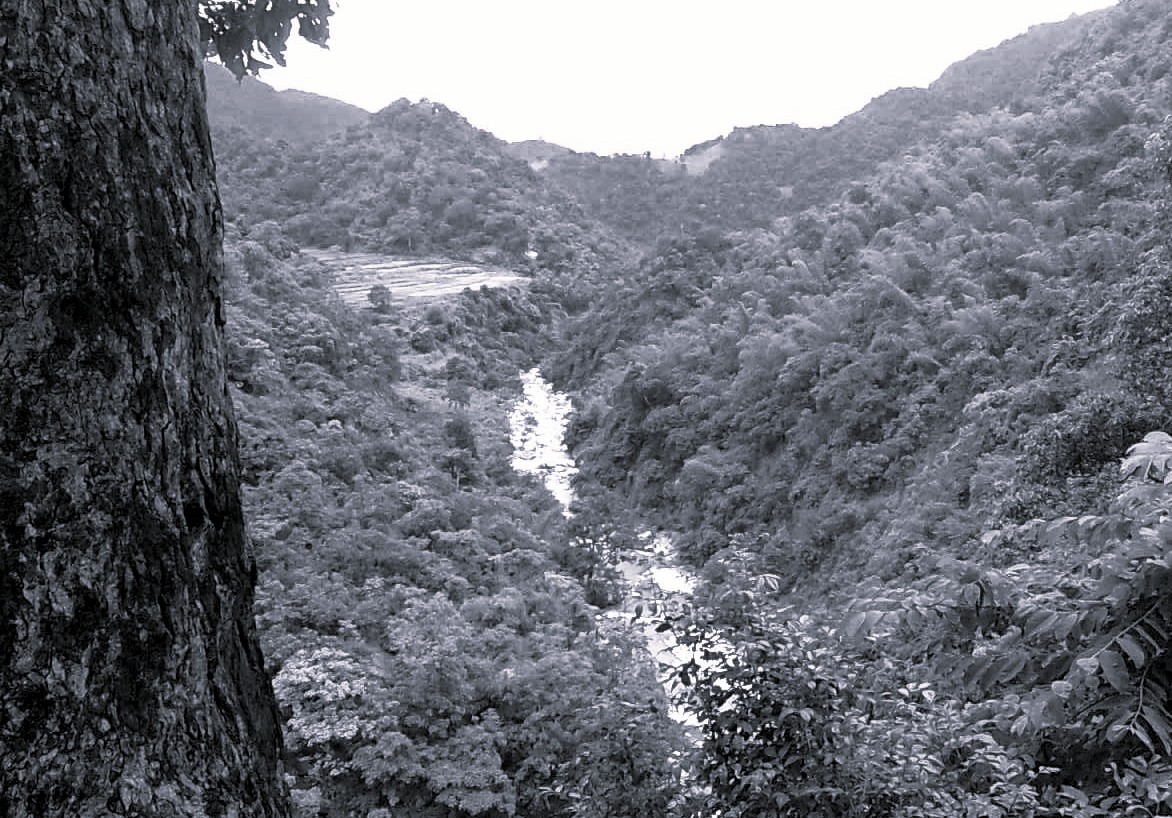
At the center of this experience is the mighty Pennar River, which has spent thousands of years carving its way through rugged red granite hills. The result is a breathtaking gorge that rivals some of the world’s most iconic natural formations. Yet, Gandikota remains uniquely Indian less crowded, less commercial, and deeply rooted in history.
What makes Gandikota special is not just the canyon or the fort, but the way both exist together. Here, geology and history are inseparable, each telling a story that complements the other.
A Fort Born from Geography
Gandikota’s origins can be traced back to the 12th century, when a Kakatiya chieftain identified the natural strength of this terrain. The steep cliffs and narrow gorge formed a natural defensive barrier, making it an ideal location for a fort.
The earliest structure was a simple mud fort, built more for survival than grandeur. But its location perched beside a deep valley carved by the Pennar gave it an edge that few forts could match. The very name “Gandikota,” meaning “fort beside a gorge,” reflects this close relationship between land and structure.
As time passed, the fort grew in importance. It became a guardian of trade routes and a watchpoint against invasions. The Kakatiyas, known for their administrative foresight, gradually expanded the fortifications and strengthened its role in regional defense.
What began as a strategic outpost slowly evolved into a fortified settlement, shaped as much by geography as by human effort.
The Age of Power and Prosperity
The true transformation of Gandikota came under the Pemmasani Nayakas, who served as powerful commanders under the Vijayanagara Empire. For nearly three centuries, they ruled this region and elevated the fort into a thriving center of power.
During this period, Gandikota was not just a military stronghold it was a well-planned urban space. Massive stone walls replaced earlier mud structures, creating a formidable defense system. Inside the fort, granaries were built to store food for long periods, ensuring that the population could withstand sieges.
The rulers also invested in religious and cultural architecture. Temples such as Madhavaraya and Ranganatha became focal points of spiritual life, showcasing the artistic excellence of the Vijayanagara era.
Even after the decline of Vijayanagara following the Battle of Talikota, Gandikota continued to retain its importance. The Pemmasani rulers held control for some time, preserving the legacy of the empire within these walls.
Stone, Faith, and Shared Spaces
Walking through Gandikota today reveals a striking blend of architectural styles and cultural influences. The temples inside the fort, though now devoid of idols, still display intricate carvings on their pillars. These carvings reflect not only religious devotion but also the craftsmanship and creativity of the time.
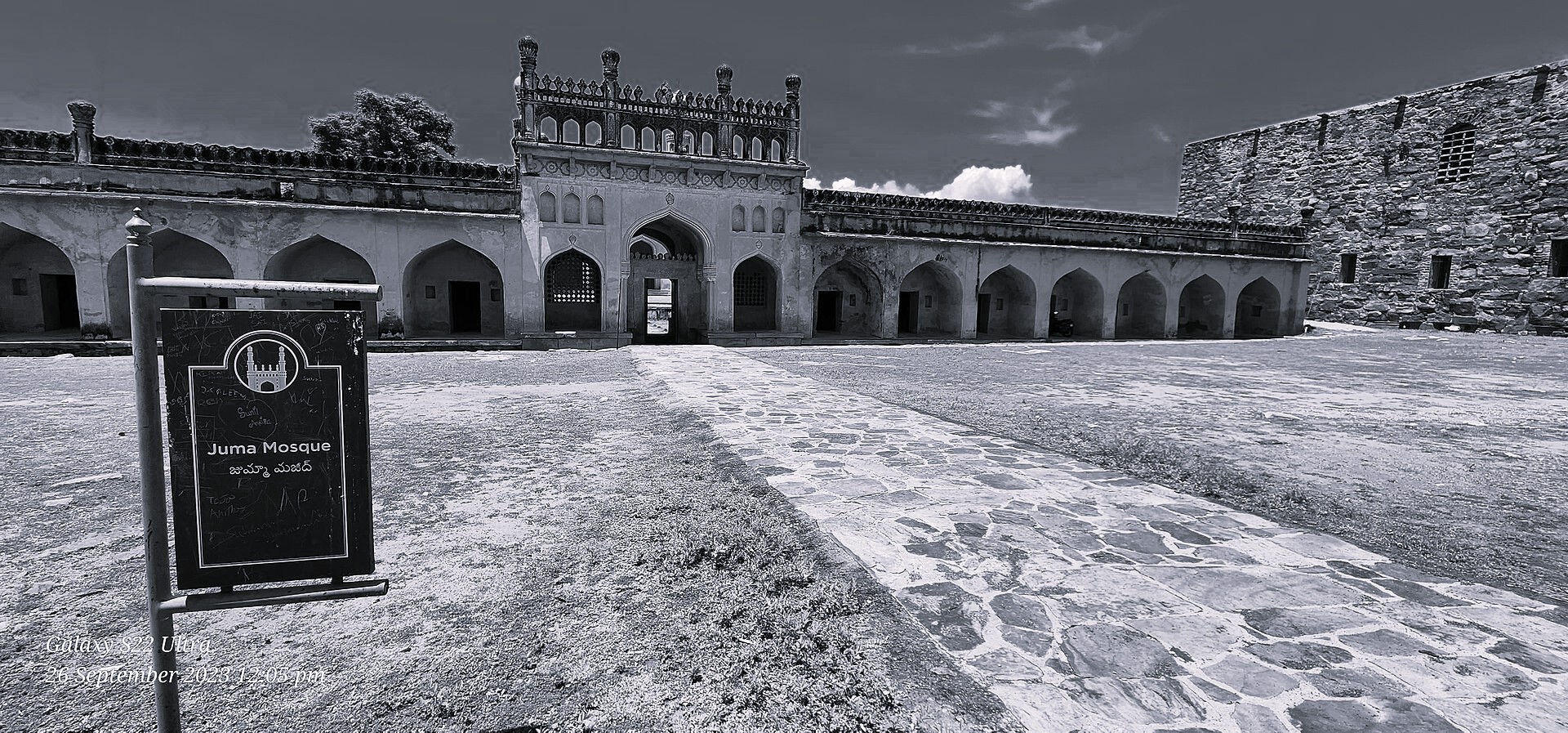
Equally significant is the presence of the Jamia Masjid within the same premises. Its tall minarets and Indo-Islamic design stand in contrast yet harmony with the nearby Hindu temples.
This coexistence of structures speaks volumes about the cultural dynamics of the period. Gandikota was not just a center of power it was also a space where different traditions intersected and thrived together.
Such shared spaces are reminders of a time when architecture reflected inclusivity rather than division.
Echoes of War and Everyday Life
While Gandikota’s beauty is undeniable, its history is also marked by conflict and survival. Hidden within the fort are structures that reveal the realities of life in a medieval stronghold.
The dark prison, for instance, stands as a reminder of the punitive systems of the time. Nearby, the Nagara Khana served as a communication hub, where drums were used to signal warnings or announcements.
One of the most intriguing features is the Red Tank, or “Kattula Koneru.” According to local lore, soldiers washed their blood-stained swords here after battles, turning the water red. Whether legend or fact, it adds a dramatic layer to the fort’s narrative.
Yet, life inside the fort was not defined solely by war. The remains of royal residences, pigeon towers, and open courtyards suggest moments of leisure and community. These elements paint a picture of a place that balanced conflict with culture, duty with daily life.
Engineering Beyond Its Time
One of Gandikota’s most impressive achievements lies in its advanced infrastructure, particularly its water management system. Despite being located on elevated terrain, the fort had access to a reliable water supply through natural springs.
Reservoirs like Rayalacheruvu ensured that water was available throughout the year. Ingenious systems of channels and pipes carried water to different parts of the fort, including fountains within the mosque.
This level of planning highlights the technical knowledge of the time. Gandikota was designed not just to withstand attacks but to sustain life over long periods. It functioned as a self-sufficient ecosystem, where resources were carefully managed and preserved.
Such innovations reflect a deeper understanding of both environment and engineering one that continues to inspire even today.
Where Nature Tells the Final Story
Despite its rich history and architectural brilliance, Gandikota ultimately belongs to nature. The canyon remains its most powerful and defining feature.
Over centuries, the Pennar River carved a deep gorge through layers of rock, creating sheer cliffs that drop dramatically into the valley below. Standing at the edge of this canyon, one cannot help but feel a sense of awe.
At sunrise and sunset, the landscape transforms. The red rocks catch the light, glowing in shades of gold and amber. The silence of the gorge, broken only by the wind, creates a moment of stillness that is rare in today’s fast-paced world.
In these moments, Gandikota is no longer just a historical site it becomes a place of reflection, where time feels both vast and fleeting.
A Living Heritage
Today, Gandikota is gradually gaining recognition as one of India’s most unique travel destinations. Visitors are drawn not only by the canyon but also by the stories embedded within the fort’s walls.
Efforts are being made to promote tourism, with basic facilities and accommodations now available nearby. Adventure activities such as trekking and camping have also added to its appeal.
However, the site still faces challenges. Many structures are in a state of decay, and the need for conservation is urgent. Preserving Gandikota requires a collective effort from authorities as well as visitors.
Responsible tourism can ensure that this remarkable site continues to inspire future generations.
Gandikota is more than a destination it is a narrative carved into stone and shaped by water. It tells the story of kingdoms that rose and fell, of people who lived and built, and of nature that endured through it all.
Standing at Gandikota is like standing at the intersection of time. The canyon speaks of millions of years, while the fort whispers tales of centuries gone by.
Together, they create a place that is not just seen, but felt an enduring reminder of how history and nature are forever intertwined.