
Fuel Crisis and ‘Junk Gasoline’ Accelerate Electric Vehicle Shift in Bolivia
In Bolivia, worsening fuel shortages , rising prices, and concerns over fuel quality are driving a gradual but noticeable shift toward electric vehicles as transport insecurity deepens across major cities.
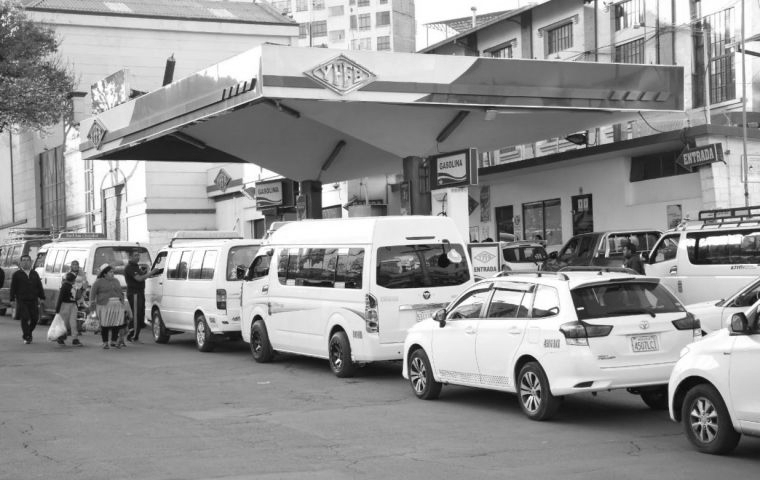
In El Alto and La Paz, motorists continue to face long queues, intermittent fuel supply, and rising dependence on costly imports. Bolivia relies heavily on imported fuel dependence , sourcing most of its diesel and over half its gasoline from abroad, making it vulnerable to currency shortages and global price shocks.
The crisis intensified after President Rodrigo Paz ended long-standing fuel subsidies , nearly doubling gasoline prices and triggering protests from transport operators. Earlier under former President Luis Arce, subsidies had kept domestic prices low but strained public finances due to high import costs.
Public anger increased further after reports of fuel quality issues , widely called the “junk gasoline” controversy , with allegations that contaminated fuel supplied by Yacimientos Petrolíferos Fiscales Bolivianos damaged engines. The issue triggered strikes, political pressure, and administrative reshuffling in the energy sector.
Bolivia has since declared an energy and social emergency , allowing private imports to stabilise supply, though shortages and volatility persist.
Amid this disruption, electric vehicle adoption is rising. EV numbers have increased from around 500 to over 3,300 in five years , still only about 0.13% of the country’s 2.6 million vehicles , but growing rapidly. Most imports come from China and the United States, supported by import tariff reductions that have lowered entry barriers.
However, growth is constrained by a severe charging infrastructure gap , with only a few public charging stations serving large urban areas. This has encouraged home charging installations and new service businesses.
Globally, similar transitions are visible: EVs account for about 50% of new sales in China , 20–25% of two-wheelers in India , while fuel-stressed countries like Cuba are adopting small EVs for basic mobility. Analysts note Bolivia’s shift is driven less by climate policy and more by fuel insecurity and economic pressure , making EVs a practical necessity rather than a luxury.