
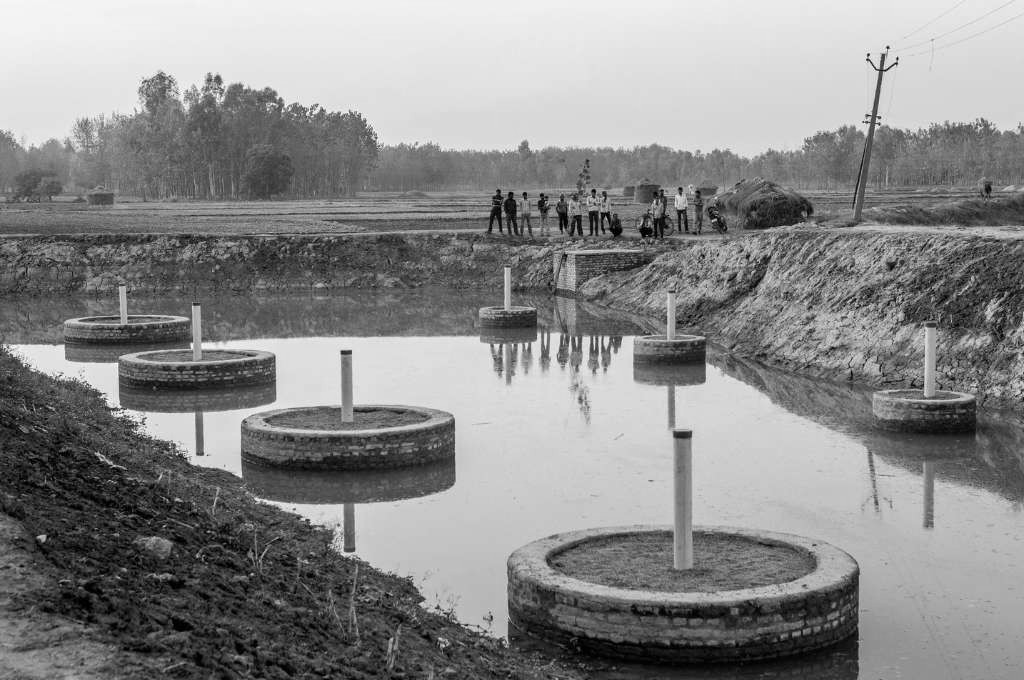
From Water Stress to Water Security: Atal Bhujal Yojana Shows Promising Results
India's Atal Bhujal Yojana, a community-driven groundwater management initiative, has emerged as a successful model for conserving groundwater across seven water-stressed states, with the Centre highlighting its achievements and encouraging wider adoption of its best practices.
Implemented as a pilot between April 2020 and October 2025, the scheme covered 8,203 Gram Panchayats across 229 blocks in 80 districts of Gujarat, Haryana, Karnataka, Madhya Pradesh, Maharashtra, Rajasthan and Uttar Pradesh. Its primary objective was to improve groundwater management by encouraging local communities to lead conservation efforts while converging various Central and State government programmes focused on demand-side water management.
According to the Ministry of Jal Shakti, the initiative strengthened institutional frameworks, promoted community participation and incentivised states to implement sustainable groundwater conservation measures. The lessons from the pilot phase have now been shared with other states for replication.
The government also underlined its growing use of digital technology for water resource planning and monitoring. A nationwide Water Body Census identified, enumerated and geo-tagged over 24.2 lakh water bodies, while the Jal Sanchay Jan Bhagidari initiative has created more than 1.55 crore water conservation and groundwater recharge structures across the country.
Among the key technological interventions are the National Aquifer Mapping and Management Programme (NAQUIM), real-time groundwater monitoring through thousands of Digital Water Level Recorders, the India-Groundwater Resource Estimation System (IN-GRES), GIS-based mapping, geo-tagging of water bodies and digital dashboards tracking conservation projects under Jal Shakti Abhiyan and Pradhan Mantri Krishi Sinchayee Yojana.
The Ministry noted that while water remains a State subject, the Centre continues to provide financial and technical support through advanced scientific tools, satellite imagery, hydrological monitoring, web-based platforms and integrated water information systems to improve planning, policy formulation and long-term water security.
The information was shared by Minister of State for Jal Shakti Raj Bhushan Choudhary in a written reply in the Rajya Sabha on Monday.