
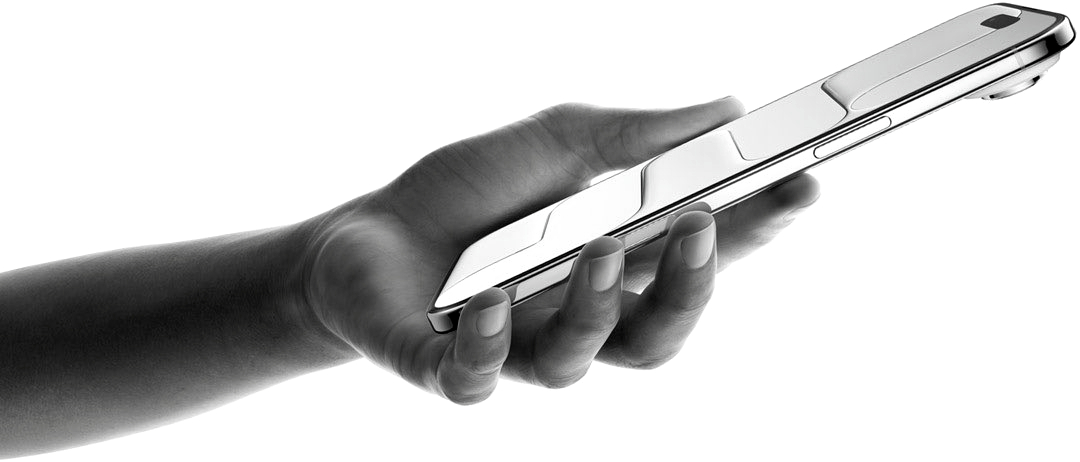
From Slim to Strong: Brands Move Toward Practical Smartphone Designs
The global push toward ultra-slim smartphones has been slowed down significantly after major technology companies reassessed the drawbacks of extremely thin designs. The shift was triggered after Apple’s “iPhone 17 Air,” introduced in September 2025 as one of the world’s thinnest smartphones, received a weaker-than-expected market response.
According to supply-chain reports, including inputs cited by DigiTimes, production volumes for the iPhone Air were reduced because of lower demand. Plans for the next model, informally referred to as “iPhone Air 2,” were also reported to have been delayed. Although Apple has not issued any official confirmation, the move is being viewed within the industry as a response to the device’s early performance.
The iPhone 17 Air was designed with an extremely slim frame, but this resulted in reduced specifications compared to Apple’s regular flagship devices. Camera capabilities and battery capacity were affected by the thinner structure, leading to limited consumer interest. Early feedback suggested that buyers preferred stronger cameras, better durability, and longer battery life over a slimmer build.
Market analysts have stated that this trend reflects a broader shift in consumer expectations. It has been observed globally that durability, performance, and battery life have become higher priorities than extreme thinness. Ultra-slim phones, due to their limited internal space, have often been associated with weaker structural strength, smaller batteries, and restricted camera hardware.
Following Apple’s production adjustments, similar decisions were reportedly taken across the smartphone industry. Samsung, which was experimenting with thin-edged models, was understood to have scaled back its plans for future ultra-slim devices. Chinese manufacturers such as Xiaomi, Oppo, and Vivo were also reported to have slowed or paused their slim-design projects. These companies hold a significant share of the global market, and their shift is being interpreted as a major correction in design strategy rather than a short-term reaction.
Industry observers believe that by suspending ultra-slim projects, brands may be able to offer better-balanced devices. Improved cooling systems, stronger build quality, larger batteries, and higher-grade cameras can be designed more effectively when extreme thinness is not prioritized. This approach is expected to help reduce returns, increase customer satisfaction, and improve long-term device longevity.
Motorola, however, was reported to be continuing its own slim-phone experiments. The company recently introduced thin models in select international markets and has not indicated any changes to its plans.
Experts have noted that although slim designs remain visually appealing, their practical trade-offs are being acknowledged more clearly. The industry’s current pause is being viewed as an opportunity to refocus on core user needs rather than design extreme