
From Silver Screen To State Power: The South’s Unbroken Cinema-Politics Bond
In South India, cinema has long been far more than entertainment. For decades, the silver screen has served as a powerful political platform, shaping public opinion, strengthening regional identity, and producing some of the country’s most influential leaders. From the Dravidian movement in Tamil Nadu to the rise of Telugu pride in Andhra Pradesh, the connection between films and politics remains deeply embedded in public life.
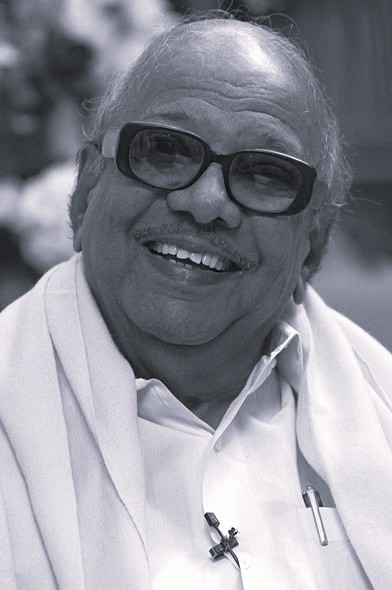
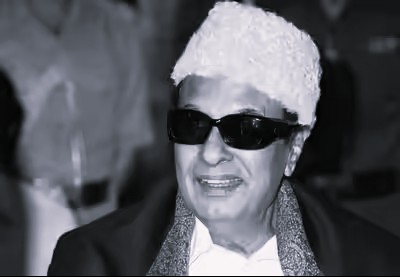
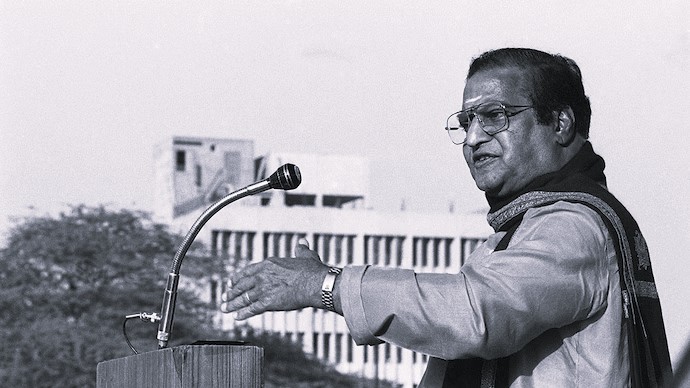
The model of actor-politics was built in the mid-20th century by leaders such as M. Karunanidhi, M. G. Ramachandran (MGR), and N. T. Rama Rao (NTR) , each of whom used cinema differently to build political influence.
Karunanidhi, unlike many later actor-politicians, emerged from cinema as a screenwriter and ideologue. Through films and dialogues rooted in the Dravidian movement, he popularised themes of social justice, Tamil identity, rationalism, and anti-caste reform . Cinema became a medium for political messaging, turning theatres into spaces of ideological mobilisation.
MGR transformed that foundation into a mass political phenomenon. On screen, he carefully cultivated the image of a benevolent protector of the poor and an enemy of injustice. Audiences increasingly blurred the line between the cinematic hero and the real-life leader. His vast fan club network later evolved into a formidable political machinery when he founded the All India Anna Dravida Munnetra Kazhagam (AIADMK). Welfare programmes introduced during his tenure as chief minister further strengthened his emotional bond with voters.
In neighbouring Andhra Pradesh, NTR adapted the model through the politics of regional pride. Revered for portraying mythological figures like Lord Krishna and Lord Rama in Telugu cinema, he enjoyed near-iconic status among Telugu audiences. In 1982, he launched the Telugu Desam Party (TDP), presenting it as a movement for Telugu self-respect and dignity. Within nine months, he became chief minister, redefining the relationship between celebrity and electoral politics.
The success of these leaders established a lasting political template in South India combining cinematic charisma, emotional connection, welfare politics, and strong grassroots mobilisation.
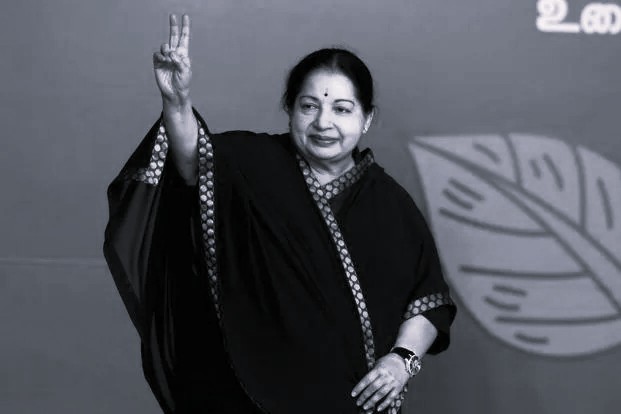
Several stars attempted to follow the path in later decades. J. Jayalalithaa , once MGR’s co-star and political protégé, emerged as one of Tamil Nadu’s most dominant political figures under the popular image of “Amma”.
Actor Vijayakanth launched the Desiya Murpokku Dravida Kazhagam (DMDK) in 2005 as an alternative to the DMK-AIADMK political order, while in Andhra Pradesh, Chiranjeevi floated the Praja Rajyam Party in 2008. Despite drawing massive crowds, the party struggled to sustain electoral momentum and was eventually merged with the Congress.
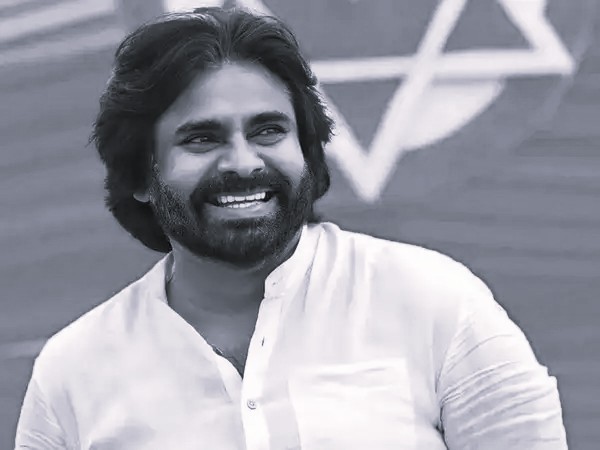
His younger brother Pawan Kalyan took a different route. Rather than relying solely on cinematic popularity, he spent years building the Jana Sena Party through sustained grassroots engagement and alliance politics. After nearly a decade of setbacks, he emerged as a major political force in 2024 and became Deputy Chief Minister of Andhra Pradesh.
The evolution of celebrity politics reflects broader changes in society and media. During the eras of MGR and NTR, cinema was the dominant mass medium, and stars enjoyed unmatched public reach. Today, however, voters are exposed to continuous television coverage, digital platforms, and social media scrutiny. Political success now demands organisational depth, ideological clarity, and governance credibility in addition to stardom.
This shift is visible in the contrasting political journeys of several major actors. Legendary Tamil actor Sivaji Ganesan failed to convert his cinematic stature into electoral success despite launching his own party in 1988. Meanwhile, Rajinikanth kept Tamil Nadu politics guessing for decades before ultimately withdrawing from active political entry in 2021 citing health concerns.
In Karnataka, actor and former minister Anant Nag represented a more intellectual and governance-oriented political approach, while the towering cultural influence of Dr Rajkumar shaped Karnataka politics without direct electoral participation. Actor Upendra attempted to challenge conventional celebrity politics through his Prajaakeeya concept centred on systemic reform.
Kerala too witnessed a breakthrough when Malayalam actor Suresh Gopi became the first BJP candidate to win a Lok Sabha seat from the state in 2024.
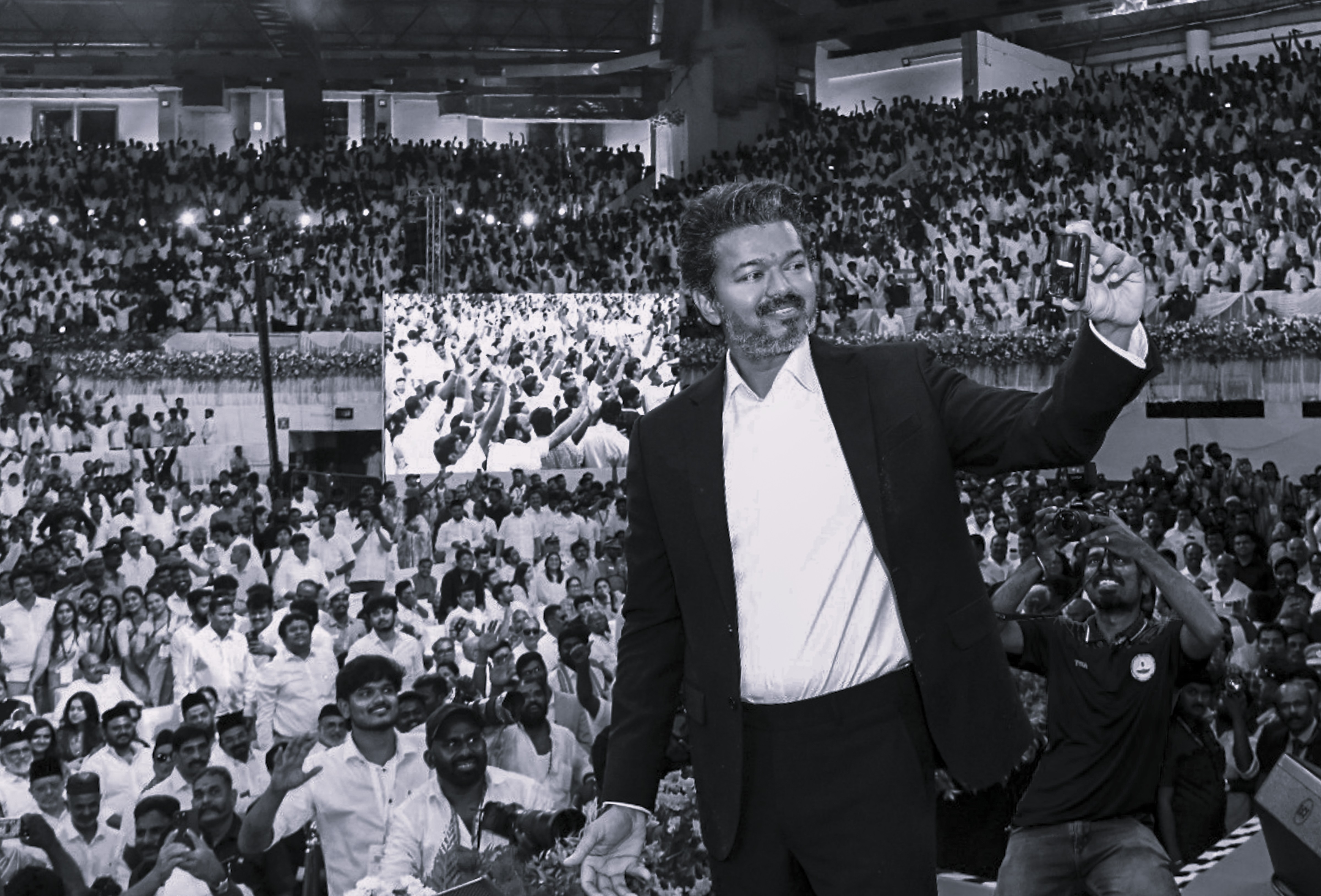
The latest entrant to this evolving political tradition is actor Vijay , whose party Tamilaga Vettri Kazhagam (TVK) entered active politics in 2024. His emergence suggests that while the nature of celebrity politics has changed, the influence of cinema on South Indian politics remains a living and evolving force rather than a relic of the past.