
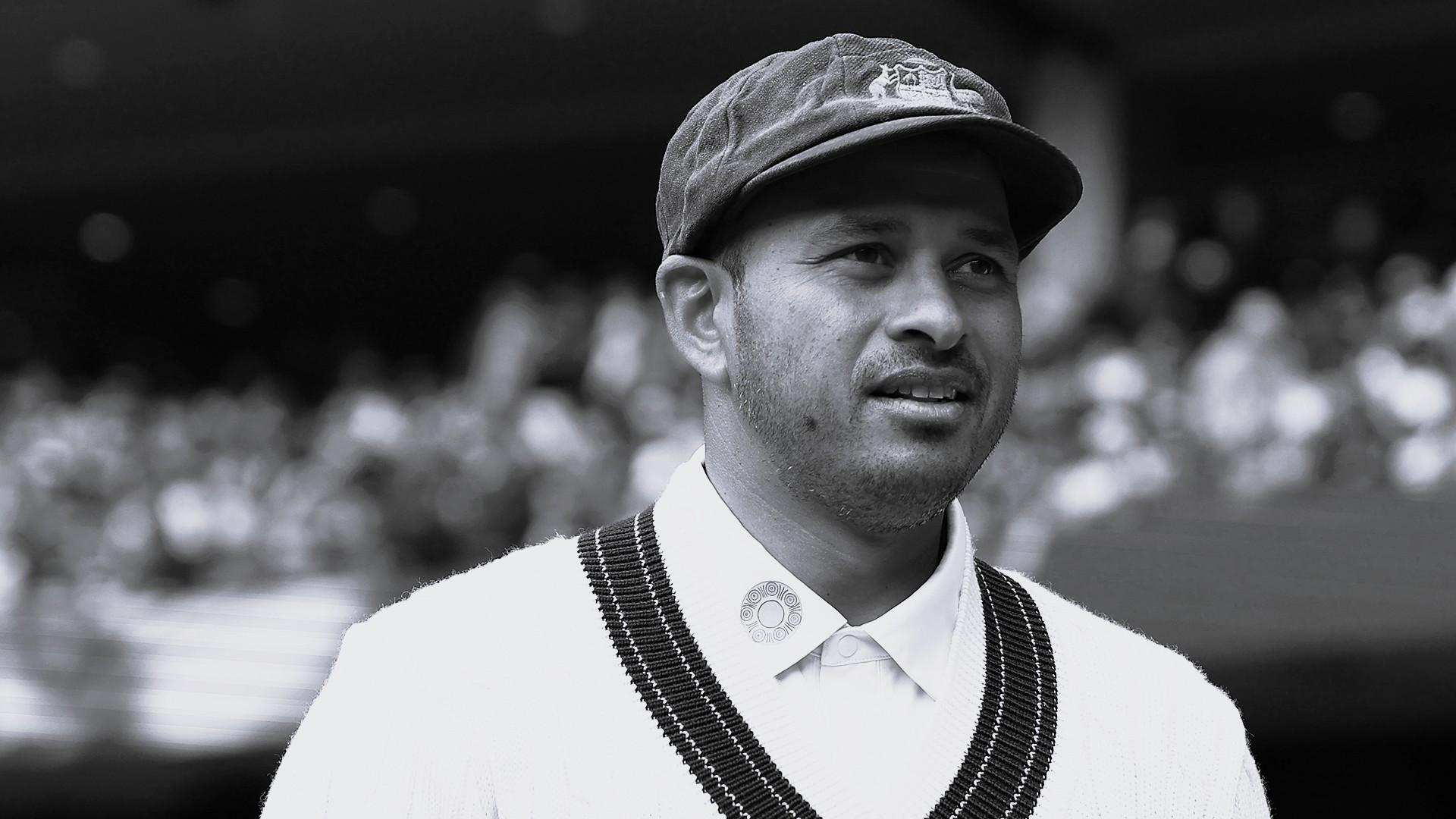
From SCG debut to SCG farewell: Khawaja ends career on his terms
Usman Khawaja, one of Australian cricket’s most elegant and resilient batters, will retire from international cricket after the fifth and final Ashes Test at the Sydney Cricket Ground, ending a career that was as much about breaking barriers as scoring runs. But the Pakistan-born opener did not choose a quiet farewell. Instead, he used the moment to speak candidly about racial stereotyping and unequal treatment he says followed him throughout his career.
The 39-year-old left-hander, Australia’s first Muslim Test cricketer, said he was often judged differently because of his background. Speaking at a media conference in Sydney on Friday, Khawaja said criticism during the current Ashes series crossed a line when it leaned on long-standing racial stereotypes.
“I’ve felt different in how I’ve been treated, even to now,” Khawaja said. “Once the racial stereotypes came in being called lazy it was something I’ve dealt with my whole life.”
Khawaja’s final Test will be his 88th, fittingly at the SCG, where his first-class career began and where some of his finest moments unfolded. He scored his maiden Ashes century there in 2018, a commanding 171 against England. Four years later, at the same venue, he revived his Test career at age 35 with twin centuries, sparking one of the most remarkable late-career comebacks in modern Australian cricket.
That resurgence saw Khawaja pile on seven centuries over the next two years and re-establish himself as Australia’s most dependable opening batter. However, his position came under scrutiny again this season. Back spasms ruled him out of opening the first Ashes Test in Perth and forced him to miss the Brisbane Test altogether.
In the days leading up to the Perth match, Khawaja was criticised for playing golf and skipping an optional training session. Some commentators suggested the golf may have contributed to his injury claims Khawaja strongly rejected.
“I can give you countless examples of players who played golf the day before a game and got injured, and no one said a thing,” he said. “I can give you even more examples of players who drank heavily the night before a match and were still called ‘Aussie larrikins’. But when I got injured, people questioned my credibility and who I am as a person.”
He added that stereotypes about players of Pakistani, West Indian and non-white backgrounds being selfish, lazy or not team-oriented were unfair and deeply ingrained.
Despite the controversy, Khawaja returned to the side in Adelaide after Steve Smith was sidelined with vertigo. An assured 82 in the first innings secured his place for the remaining Tests, as Australia took an unassailable 3-1 lead to retain the Ashes.
Khawaja said he had sensed this series would be his last and was satisfied with how his career would end. “The main emotion is contentment,” he said. “I’m glad I can go out on my own terms.”
Across 87 Tests, Khawaja scored 6,206 runs at an average of 43.49, including 16 centuries . Cricket Australia chief executive Todd Greenberg praised his impact both on and off the field, calling him one of Australia’s most reliable openers and highlighting his work through the Usman Khawaja Foundation.
As he prepares for one final walk onto the SCG, Khawaja said he hopes his journey has inspired others. “I’m very lucky to have played so many games for Australia,” he said. “I hope I’ve helped open doors along the way.”
Usman Khawaja has also spoken out on issues beyond cricket , including showing solidarity with Palestinian civilians during the Gaza conflict. He wore messages such as “All lives are equal” and “Freedom is a human right” in training, framing his stance as humanitarian, not political. Khawaja has consistently advocated for equality and human rights, even when it drew criticism or sanctions. For this he was formally reprimanded by the ICC for breaching rules on personal messages.
Players like Moeen Ali, Azeem Rafiq, Jofra Archer, Michael Holding and Makhaya Ntini have spoken publicly about facing racism or racial stereotyping in cricket.