
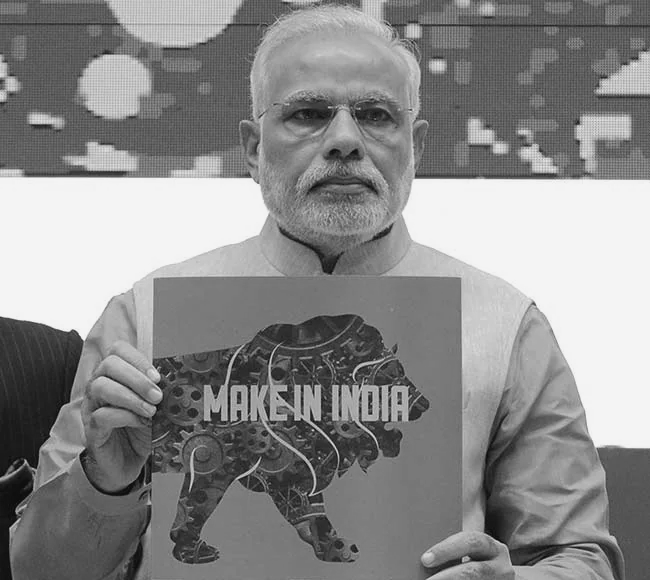
From make in India to lead in mobility: PM’s auto call
India’s automobile sector is at a pivotal moment, poised to evolve from being a manufacturing hub to a global leader in smart, green, and sustainable mobility. Prime Minister Narendra Modi, addressing the annual convention of the Society of Indian Automobile Manufacturers (SIAM), emphasized that the government and industry must collaborate closely to achieve “true self-reliance” across the entire automotive value chain. This is more than an economic objective; it is a strategic push to position India at the forefront of the global mobility revolution.
The PM highlighted the transformative role of the auto sector in shaping India’s economy and daily life. From urban mobility to rural access, automobiles have changed how Indians move, work, and connect. Under the Make in India initiative, the sector has strengthened manufacturing capabilities, attracted global investments, and showcased India’s potential for innovation and industrial excellence. Yet, Modi’s message was clear: past successes are only the foundation; the future demands integration of cutting-edge technologies, clean energy solutions, and sustainable practices.
Sustainability emerged as a key theme in the address. Electric vehicles, green technologies, and alternative energy are no longer optional,they are central to India’s clean mobility ambitions. By fostering innovation in EVs, energy storage, and eco-friendly design, India is creating opportunities for startups and researchers, bridging the gap between scientific discovery and practical deployment. This focus also aligns with global trends, where emission reduction, renewable energy integration, and smart transportation systems define the competitive edge of nations.
Modi also stressed the need for a systemic approach. Achieving self-reliance isn’t just about assembling vehicles domestically,it requires mastery of the entire manufacturing ecosystem, from raw materials and components to software, AI-driven design, and testing infrastructure. Collaborative policies, strong regulatory frameworks, and industry-led innovation can accelerate this transition. Examples from countries like Germany and Japan show that a tightly integrated auto ecosystem fosters global competitiveness, and India is now aiming to replicate and innovate upon this model with its own unique strengths: a young skilled workforce, vibrant startups, and growing domestic demand.
Critically, the address also underscored the global dimension. India is not just aiming to meet domestic needs but to become a hub of automotive excellence recognized worldwide. The government’s role is to create enabling policies, while the industry must rise to the challenge of innovation, quality, and sustainability. When executed effectively, this partnership could redefine India’s position in the global supply chain and establish it as a leader in smart, green, and future-ready mobility solutions.
In essence, India’s automotive journey is evolving from “Make in India” to “Lead in Mobility.” By combining technology, sustainability, and policy foresight, the nation is setting the stage for a transformative era,one where vehicles are not just products, but instruments of growth, innovation, and global influence. The challenge is immense, but with vision and collaboration, India has the potential to drive a mobility revolution that resonates far beyond its borders.