
From Jantar Mantar to Parliament: CJP's March Meets Tear Gas and a Government Outreach
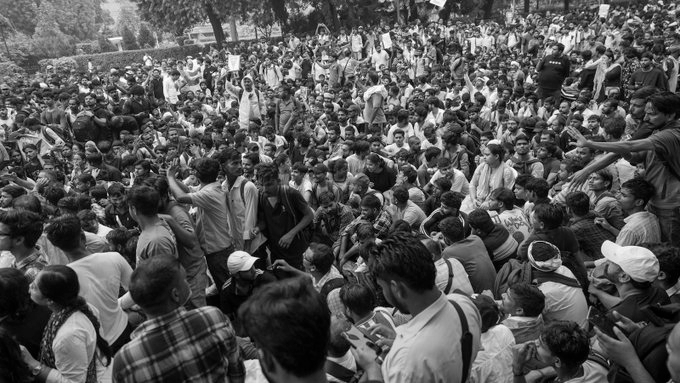
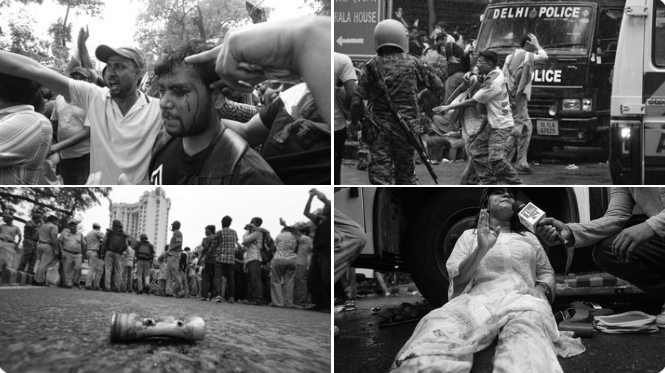
Central Delhi descended into chaos on Monday as thousands of young protesters, mobilised by the Cockroach Janta Party (CJP), marched towards Parliament on the opening day of the Monsoon Session, triggering tear gas shelling and lathi-charges by security forces. The "Sansad Chalo" march, which began at Jantar Mantar where CJP has camped for a month, saw demonstrators many in school uniforms and carrying the national flag attempt to breach barricades near Constitution Club, Patel Chowk, Shastri Bhawan, the RBI building and Parliament Street. The Delhi Metro shut five stations, including Rajiv Chowk and Central Secretariat, as gridlock spread across the capital.
The protest, which began over alleged irregularities in the NEET 2026 exam, gained momentum after activist Sonam Wangchuk joined in support and went on an indefinite hunger strike. Wangchuk was subsequently hospitalised at Safdarjung Hospital, and in a handwritten note said he would continue fasting until protest leaders were allowed to meet parliamentarians. His wife, Gitanjali Angmo, has since approached the Delhi High Court over the circumstances of his hospitalisation.
CJP founder Abhijeet Dipke was reportedly "picked up" by police near the RBI building, a claim Delhi Police publicly rejected, calling reports of his arrest or detention misleading. CJP also alleged that Angmo and several protesters, including a 12-year-old girl, were assaulted and injured during the crackdown, allegations the police dismissed as false.
Amid the standoff, the government opened its first formal channel of dialogue with CJP. Spokespersons Saurav Das and Ashutosh Ranka met Union Minister JP Nadda, submitting a memorandum demanding Wangchuk's unconditional release, Education Minister Dharmendra Pradhan's resignation over the exam controversy, and ₹1 crore compensation for NEET aspirants who died by suicide. Nadda reportedly assured internal consultations with party leadership, though CJP said police action continued regardless. Separately, Pradhan met Home Minister Amit Shah at Parliament House.
The unrest spilled into Parliament, with the Rajya Sabha adjourned amid opposition uproar over the crackdown. Former Delhi Chief Minister Arvind Kejriwal urged the Centre to "listen to the youth" rather than resort to force, while Shiv Sena (UBT) leader Aaditya Thackeray sharply criticised the police action. The National Conference staged a separate Delhi protest demanding statehood for Jammu and Kashmir, and FTII's student body extended solidarity, calling for the government to engage in talks.