
From Friends To Frenemies? Trump Now Threatens Oman Over Iran Deal
From helping Washington and Tehran talk to facing a threat from Washington itself, Oman’s role in the US-Iran war has changed dramatically. For months, Muscat has been one of the key channels between the two sides. Oman hosted and mediated US-Iran talks, including negotiations in February that Trump described positively. Its foreign minister was still briefing US officials on progress just a day before the war began.
Now President Donald Trump is threatening to bomb Oman if it gets in the way of a US deal with Iran over the Strait of Hormuz. Trump has also demanded that Tehran surrender, while saying preventing Iran from obtaining a nuclear weapon remains his priority.
The immediate dispute is Hormuz. Iran and Oman have been working on arrangements to restore shipping through the strategic waterway. Tehran says the two sides are finalising a plan that could allow ships to pass along designated routes. Washington, however, opposes any arrangement it believes gives Iran greater control over the strait.
Trump has gone even further, saying the United States could declare the Strait of Hormuz US territory after defeating Iran. Tehran has rejected that idea, while warning that Washington could face a stronger Iranian response if diplomacy fails. Iran has threatened to adopt a “fully offensive” posture in Hormuz.
The timing could hardly be worse. The 60-day US-Iran memorandum of understanding expired on Monday, without a wider peace agreement. The deal was supposed to create a framework for ending military operations and negotiating issues including Iran’s nuclear programme, sanctions and Hormuz. Instead, Washington and Tehran remain deeply divided, with each accusing the other of failing to meet its commitments.
And Tehran is making sure its people see the conflict as a battle of resistance.
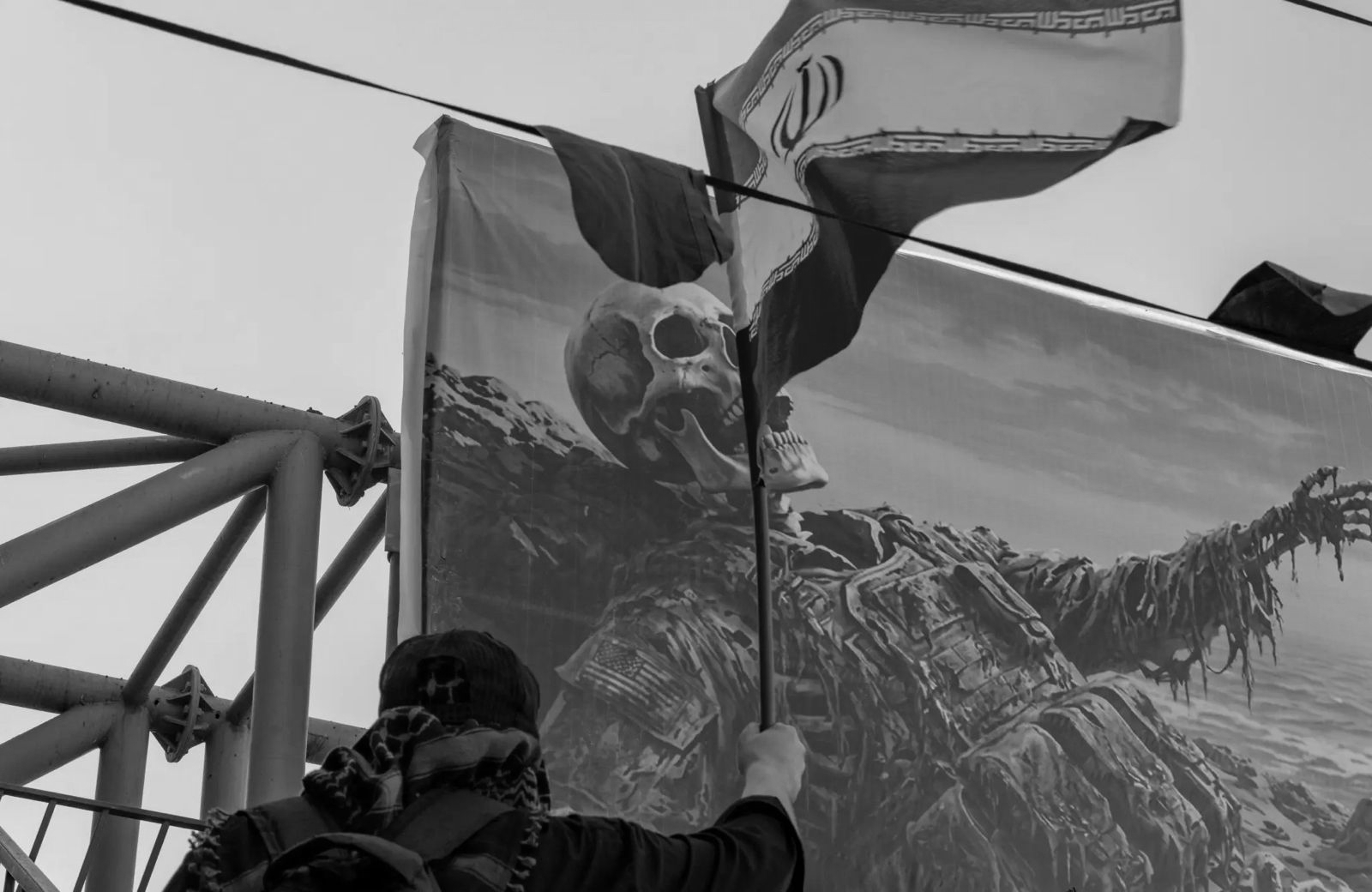
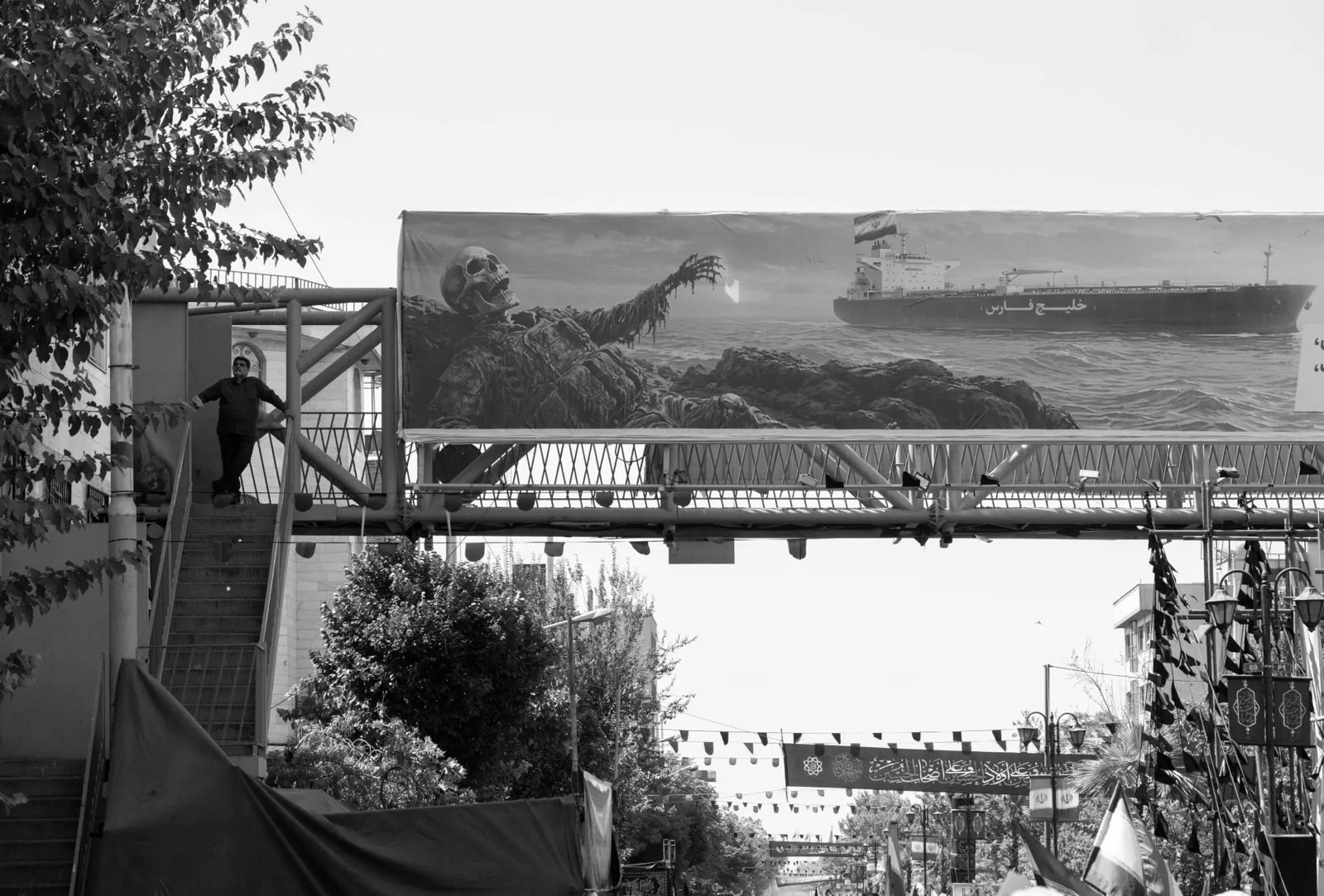
Across Tehran, giant anti-American billboards have shown Trump lying in a coffin with the words “We Kill Trump”, the US president being strangled with the message “Revenge Is Inevitable”, and the White House in flames. Another showed American aircraft, drones and naval vessels trapped in a huge fishing net over the Persian Gulf.
The latest image is even more striking: a skeleton wearing a US combat vest beside the Strait of Hormuz, with civilian ships in the background. The billboards have appeared in busy parts of Tehran, making them part of everyday life and a clear attempt to shape how Iranians view the war.
Iran has also escalated its rhetoric directly against US troops. Army chief Amir Hatami announced a $30,000 reward for anyone who kills or captures an American soldier and hands the person to Iranian forces. The reward would double to $60,000 if an Iranian woman carried out the act. There are no known US ground forces inside Iran, making the announcement largely a message of mobilisation and intimidation rather than evidence of an immediate operation.
Then there is the nuclear question.
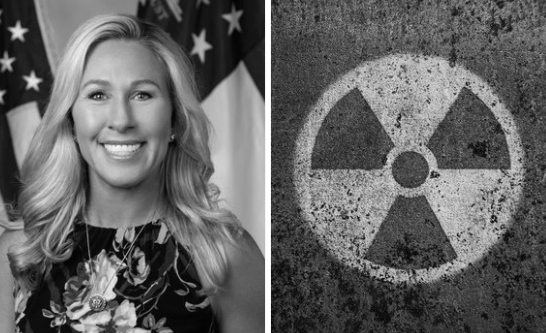
Former US Congresswoman Marjorie Taylor Greene has claimed that discussions about using nuclear weapons against Iran have taken place inside the Trump administration. But she has provided no public evidence, and there is no publicly confirmed US government document showing preparations for a nuclear strike. The claim remains unverified.
A nuclear strike would cross an entirely different threshold. Nuclear weapons have been used in war only twice, at Hiroshima and Nagasaki in 1945, with catastrophic civilian and long-term health consequences. Any such action would also face major questions under international humanitarian law.
And while all of this is happening, Trump’s diplomatic push is not limited to Iran.
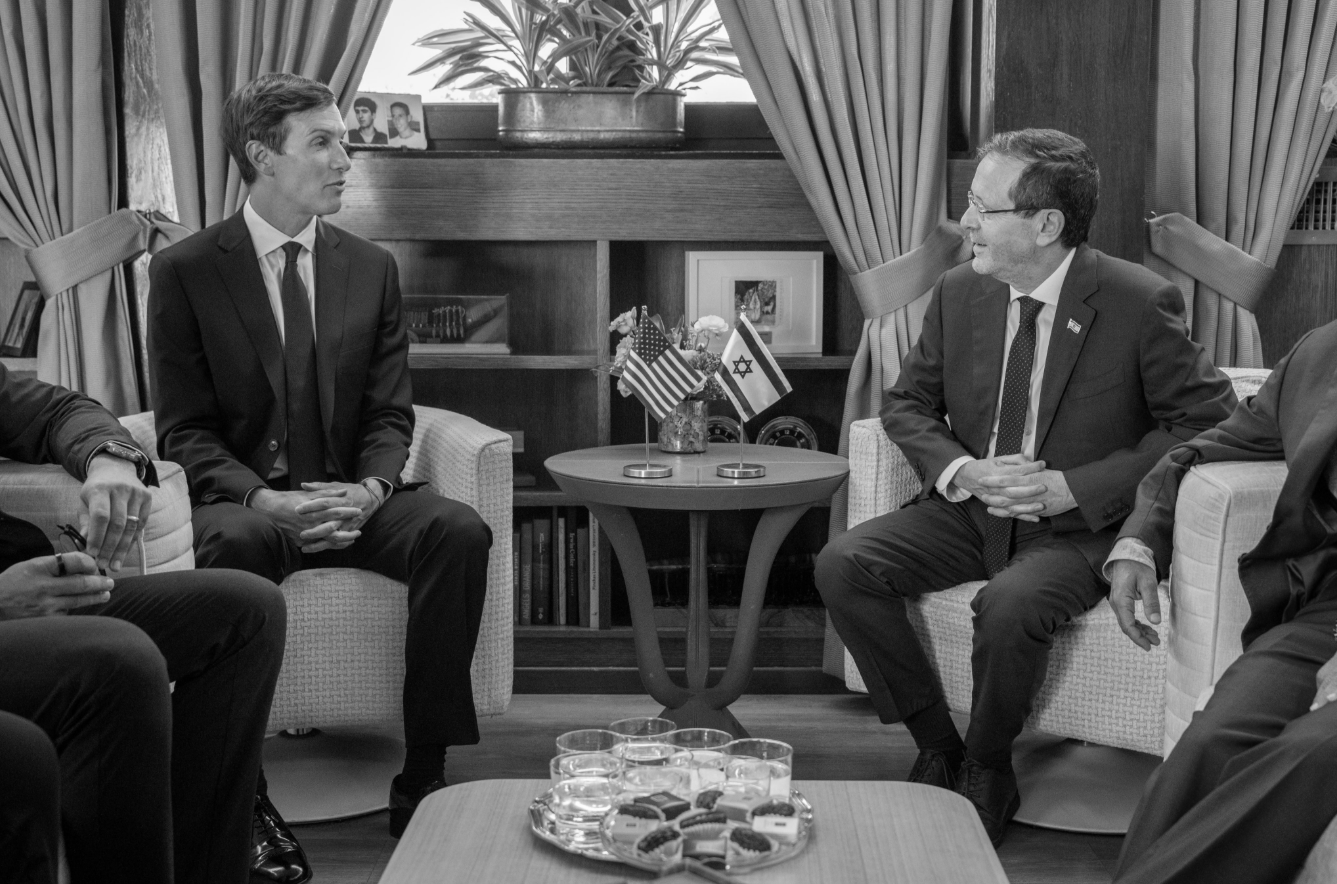
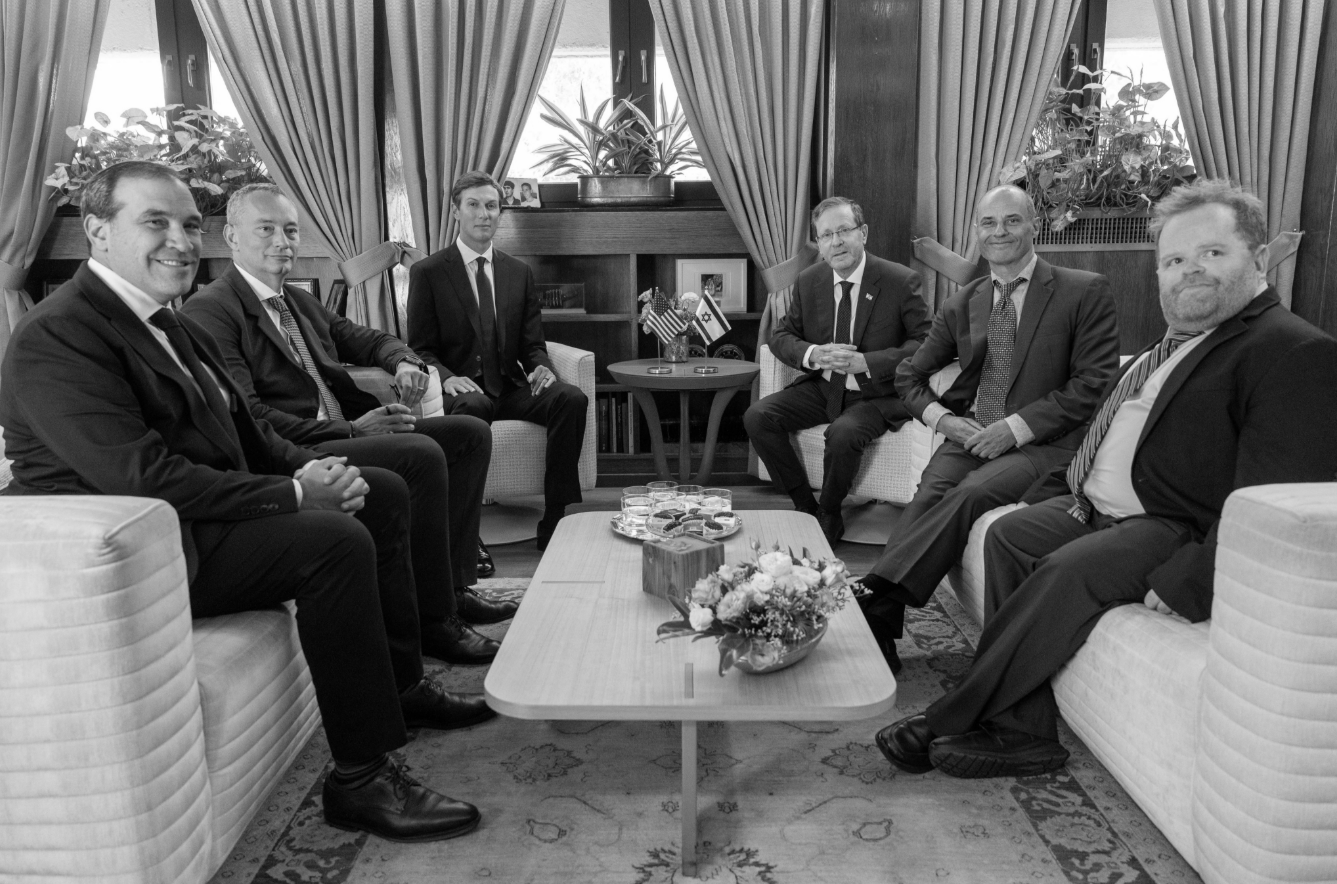
His son-in-law and envoy Jared Kushner has been moving between different Middle East crises, meeting Hamas leaders in Cairo before meeting Israeli Prime Minister Benjamin Netanyahu in Jerusalem. Kushner is trying to revive Trump’s Gaza peace plan, which proposes Hamas disarmament in exchange for a phased Israeli withdrawal from Gaza. Netanyahu has rejected the plan in its current form, insisting Hamas must be fully disarmed before Israel withdraws.
So Washington is now trying to push diplomacy on two fronts while simultaneously escalating pressure.