
From fashion to fragrance: H&M bets big on India’s beauty boom
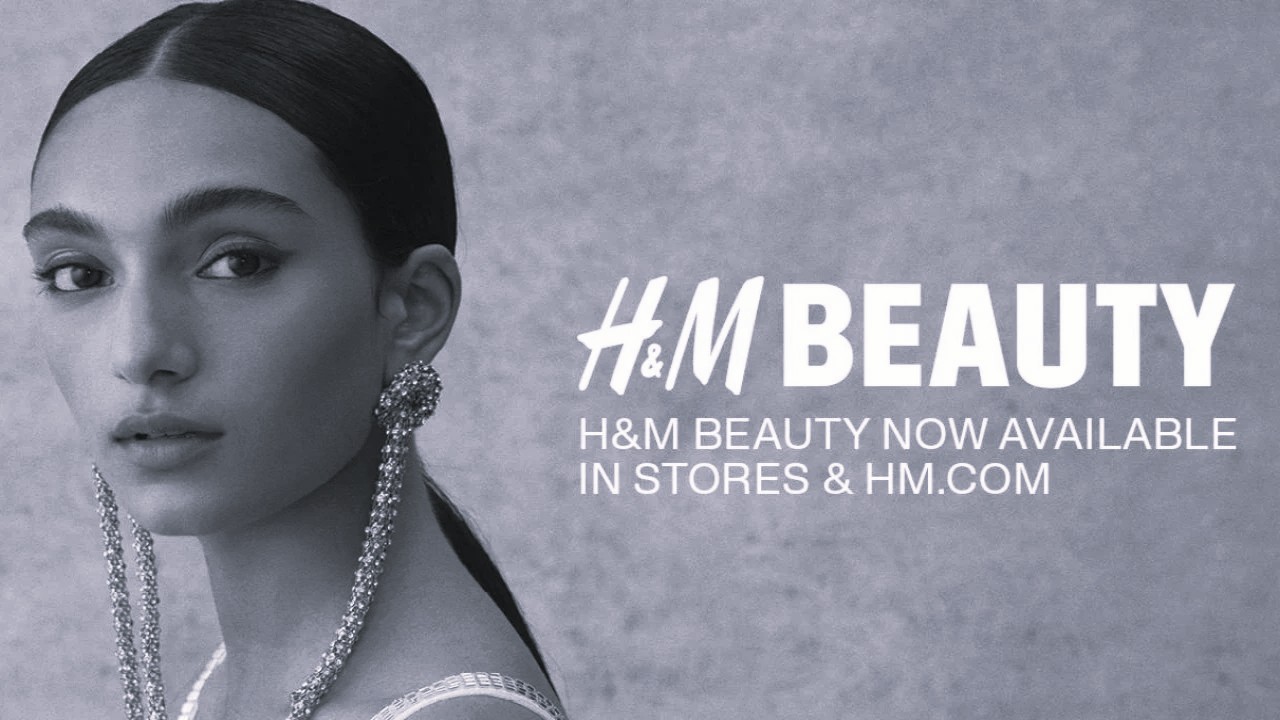
H&M has officially entered India’s booming beauty market, marking a major step in the Swedish fashion giant’s broader retail diversification strategy. Known primarily for fast fashion, H&M’s foray into beauty aims to transform its stores into lifestyle destinations offering a complete head-to-toe experience from clothing and accessories to cosmetics and fragrance. The launch of “H&M Beauty” in India brings the company’s global beauty line to a market that has seen exponential growth in personal care and cosmetics, driven by rising disposable incomes, increased urbanization, and a strong Gen Z and millennial consumer base.
The decision to enter the Indian beauty market stems from its rapid expansion and enormous potential. The beauty and personal care sector in India is currently valued at over $30 billion and projected to grow by nearly 10% annually over the next decade. For H&M, this presents a natural extension of its brand allowing it to target the same trend-conscious, fashion-forward audience it already serves in apparel. The company aims to build a seamless link between fashion and beauty, offering consumers products that align with their style preferences and lifestyles.
H&M’s target demographic in India is young urban consumers particularly millennials and Gen Z who seek affordable yet stylish products that reflect international trends. These customers are not only driving demand in the fashion space but also increasingly experimenting with beauty, skincare, and self-expression through cosmetics. The brand’s focus on cruelty-free, vegan, and eco-conscious products also aligns with the growing awareness among Indian consumers about sustainable beauty choices.
In terms of product offerings, H&M Beauty is launching with a curated collection of more than 200 products, including makeup, skincare essentials, fragrances, and beauty tools. Hero products in the collection include hydrating lipsticks, lightweight foundations, mascaras, multi-use highlighters, and signature perfumes. The range focuses on simplicity, quality, and inclusivity, with shades and formulations suited to Indian skin tones and climate conditions. Prices are positioned competitively between ₹499 and ₹1,499, an accessible range designed to appeal to value-conscious yet aspirational consumers.
H&M’s competitive landscape in India will be formidable. The brand will compete directly with established players like Nykaa Cosmetics, Maybelline, L’Oréal, Lakmé, and homegrown D2C brands such as Sugar and Mamaearth. In addition, beauty retail platforms like Nykaa and Tira dominate online discovery and distribution, making the market highly competitive. However, H&M’s strong brand recognition, retail footprint, and loyal customer base give it a unique edge in cross-selling beauty alongside fashion.
Strategically, H&M is adopting a phased omnichannel approach. The beauty line will be available both in select H&M stores across major Indian cities and on the brand’s official website. This ensures consistency in consumer experience across physical and digital touchpoints. While H&M has not announced any exclusive collaborations with platforms like Nykaa or Tira, industry analysts expect the company may explore online partnerships in the future to scale faster in the digital retail space.
Investment details remain undisclosed, but experts suggest that H&M’s India beauty rollout follows a low-capital, high-leverage model utilizing existing store infrastructure and supply chain systems rather than establishing new distribution channels. The company is expected to localize production of certain products in the long term to manage costs and align with India’s “Make in India” push.
Physical presence will play a central role in the brand’s strategy. H&M Beauty sections will be integrated within existing apparel stores, allowing customers to discover beauty products alongside fashion collections. This model supports experiential retail enabling customers to test products and receive personalized recommendations in-store a vital factor in driving beauty sales in India.
Industry experts have welcomed H&M’s entry as a positive development for India’s beauty ecosystem. Retail analysts note that the move capitalizes on the rising trend of “fashion-led beauty”, a segment where global players such as Zara and Sephora have already found success. However, experts also caution that H&M will need to invest heavily in product education, influencer partnerships, and consistent quality to build credibility in a market where brand loyalty is earned through performance and trust, not just affordability.
Overall, H&M’s expansion into the Indian beauty market represents both a strategic growth opportunity and a competitive challenge. With a clear focus on affordability, ethical formulations, and seamless fashion-beauty integration, the brand is positioning itself to become a serious player in India’s fast-evolving lifestyle retail landscape. If executed well, H&M Beauty could redefine the brand’s relationship with Indian consumers turning fashion stores into full-fledged lifestyle destinations for the modern, trend-driven shopper.