
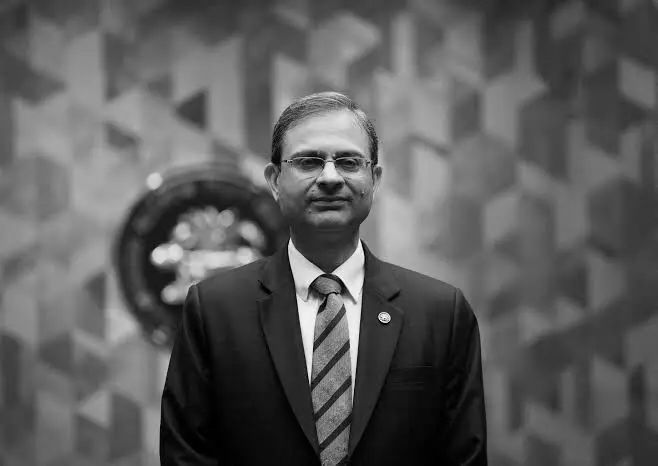
From Crisis To Control, India Ramps Up Oil And Gas Production: RBI Governor
As tensions continue to simmer across West Asia, India finds itself carefully balancing risk and resilience. Speaking at Princeton University , RBI Governor Sanjay Malhotra offered a candid assessment of how deeply the region’s instability touches the Indian economy, and how the country is responding with calculated urgency.
The numbers alone tell the story. West Asia accounts for nearly half of India’s crude oil imports , a significant share of fertiliser supplies, and a substantial portion of remittances flowing back into the country. In moments of geopolitical uncertainty, such heavy dependence can quickly turn into vulnerability.
Yet, India is not standing still.
In a strategic shift, the country is accelerating domestic production of oil and gas , while also diversifying its import sources. The aim is clear: reduce overdependence and build a stronger cushion against global shocks. Malhotra reassured that there is no immediate shortage of oil , thanks to maintained reserves, though gas supplies are being selectively rationed for industrial use, a sign of cautious resource management rather than crisis.
The pressure, however, is real. While the government and oil companies have absorbed part of the rising oil costs, gas prices have partially reached consumers , reflecting the unavoidable ripple effects of global disruptions.
What stands out, though, is India’s underlying economic strength. Over the past decade, the country has clocked an average growth rate of 6.1 percent , outpacing many global peers. According to the RBI Governor, this resilience is not accidental, it is built on strong policy frameworks, stable financial systems, and credible institutions that have matured over time.
But the bigger concern lies ahead.
Malhotra warned about the risk of “second-round effects” , where prolonged supply disruptions could push inflation beyond control, embedding price rises into the broader economy. The RBI, he emphasized, is closely watching these risks, choosing a “wait-and-watch” approach with a neutral policy stance, allowing flexibility as the situation evolves.
In parallel, the government’s steady push toward fiscal discipline and efficient spending is acting as a stabilizing force, complementing monetary measures.
In uncertain times, India’s strategy appears clear, stay agile, stay prepared, and strengthen from within.