
From Alliance to Anxiety: Iran war reshapes US-Japan summit
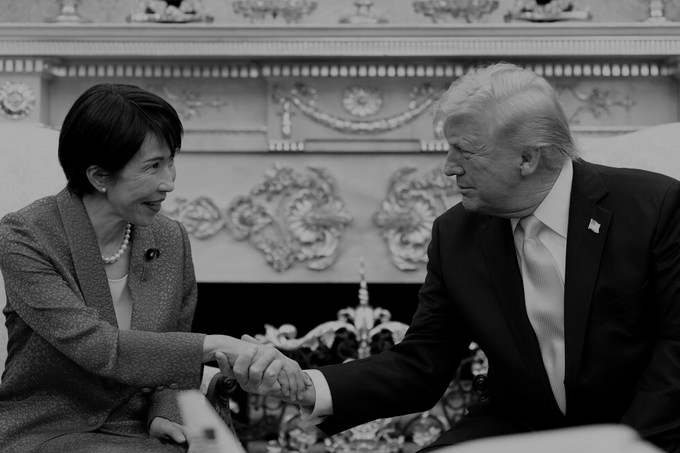
Japanese Prime Minister Sanae Takaichi met US President Donald Trump at the White House in a high-stakes summit overshadowed by the ongoing US-Israeli war with Iran . Originally intended to strengthen bilateral ties ahead of Trump’s China visit, the meeting instead focused on urgent security and geopolitical tensions .
Despite a publicly warm exchange , with Trump praising Takaichi as a “powerful woman” and Takaichi expressing confidence in his ability to deliver global peace, discussions were marked by intense behind-the-scenes pressure . Analysts noted the meeting carried unprecedented stakes for US-Japan relations.
A key point of contention was Trump's push for allies to help secure the Strait of Hormuz , a vital global energy route. Japan denied receiving any formal request to deploy forces, with Takaichi stating her government was still examining what assistance was legally permissible. This constraint stems from Japan's post-WWII constitution, which limits its Self-Defense Forces to defensive roles though that framework may soon change. After a landslide victory in the February 2026 elections, Takaichi's LDP secured a two-thirds supermajority in the lower house, giving her the parliamentary threshold needed to initiate a constitutional referendum on Article 9, the clause that restricts military activity. Japan has already taken significant steps toward remilitarization, having lifted most of its longstanding bans on lethal weapons exports. A full constitutional amendment still requires an upper house supermajority and a successful public referendum significant hurdles, but no longer unimaginable.
Amid tensions, the leaders advanced economic cooperation, with plans for a $40 billion nuclear energy deal involving GE Vernova and Hitachi , aimed at building small modular reactors in the United States to boost energy stability.
Takaichi also pressed broader concerns about the Indo-Pacific region , warning that the Iran conflict risks diverting US attention from China’s growing military assertiveness , particularly around Taiwan . The redeployment of US troops from Japan to the Middle East has further raised regional security concerns .
Ultimately, Takaichi sought to position Japan as a reliable and indispensable ally , balancing cooperation in the Middle East with long-term strategic priorities in Asia. The meeting concluded with commitments to deepen collaboration on security, energy, and countering China , underscoring the fragile global balance shaping the alliance.