
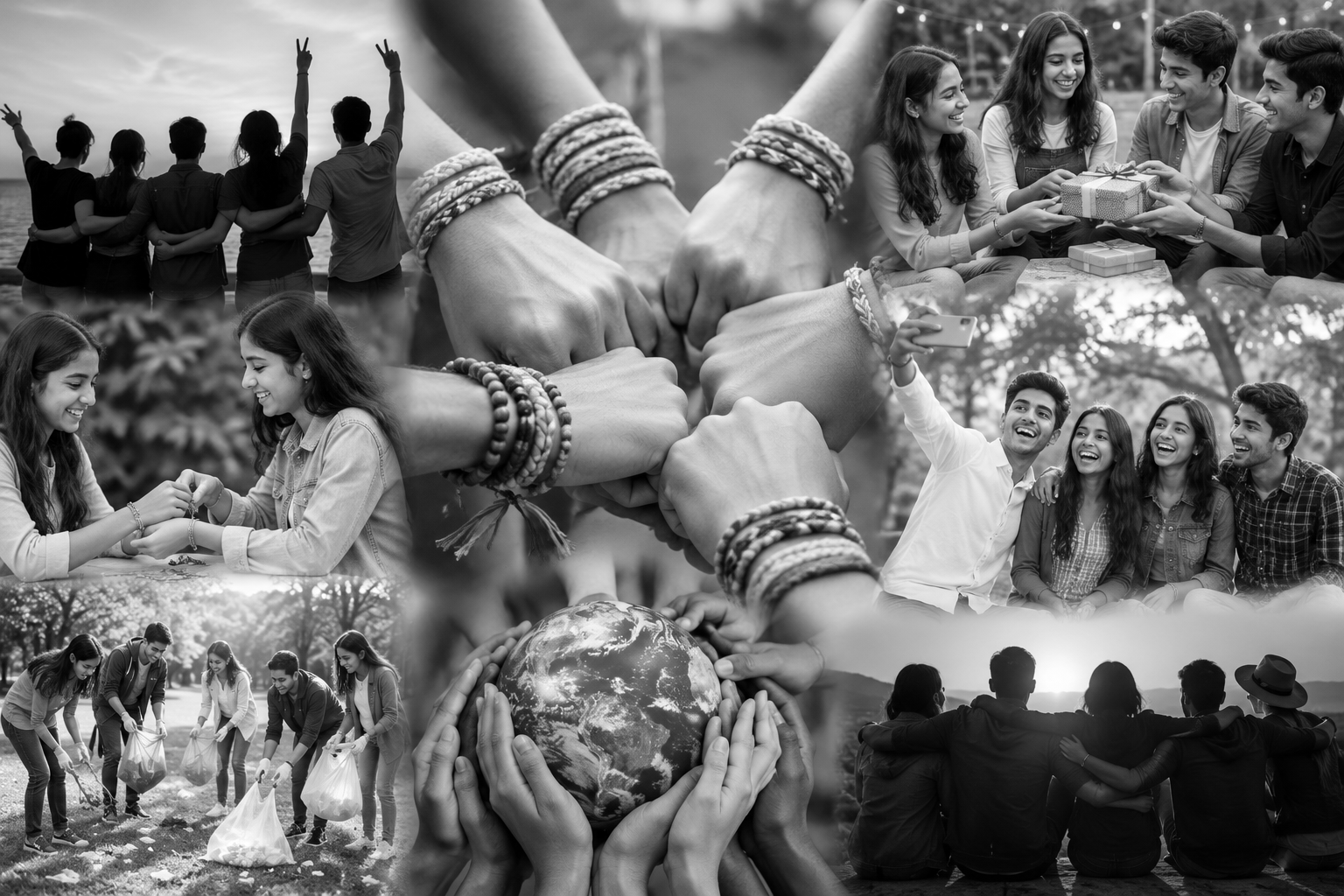

Friendship Day 2026: History, Origin, Significance and Why India Celebrates It Differently
Friendship Day 2026 is being celebrated across India today, with millions of people honouring the cherished bonds of friendship through heartfelt wishes, friendship bands, gifts, reunions and social media tributes. Celebrated on the first Sunday of August, the occasion has become one of India's most popular social celebrations, especially among children, students and young adults. Across schools, colleges, workplaces and communities, people are expressing gratitude to the friends who have stood by them through life's happiest moments and toughest challenges.
While many people assume Friendship Day is observed worldwide on the same date, the celebration actually follows different traditions across countries. India, along with several neighbouring nations, observes Friendship Day on the first Sunday of August, whereas the United Nations (UN) officially recognises July 30 as the International Day of Friendship. Although the dates differ, the central message remains the same, celebrating trust, compassion, kindness and the enduring value of human relationships.
The origins of Friendship Day date back more than a century. One of the earliest recorded proposals came from Joyce Hall, the founder of Hallmark Cards, who suggested in 1919 that people dedicate a special day to celebrating friendship by exchanging greeting cards. The idea later evolved into observing Friendship Day on the first Sunday of August in the United States during the early decades of the twentieth century. Although the commercial aspect of greeting cards played a role in its early promotion, the occasion gradually grew into a broader celebration of meaningful relationships and emotional connections.
Another important milestone came from Paraguay, where the World Friendship Crusade was founded in 1958. The organisation promoted friendship as a powerful tool for building peace, goodwill and understanding among people across nations. The movement gained international attention and eventually inspired broader global recognition of friendship as a force for unity.
Recognising the importance of friendship in promoting dialogue and harmony, the United Nations General Assembly proclaimed July 30 as the International Day of Friendship in 2011. The UN encourages governments, educational institutions, community organisations and citizens to organise activities that foster friendship between individuals, cultures and countries. The observance highlights the belief that friendship can contribute to peace, reduce prejudice and strengthen international cooperation in an increasingly interconnected world.
Despite the UN's recognition of July 30, India has continued to celebrate Friendship Day on the first Sunday of August, a tradition that has remained firmly rooted for nearly three decades. The celebration gained widespread popularity during the 1990s, particularly among school and college students. Greeting card companies, colourful friendship bands, television programmes, magazines and youth-oriented marketing campaigns helped transform the occasion into a nationwide cultural event. The popularity of the 1998 Bollywood film "Kuch Kuch Hota Hai," which prominently featured Friendship Day and friendship bands, further strengthened the tradition among Indian youth.
Unlike official commemorative observances, Friendship Day in India is largely a people-driven celebration. Since it falls on a Sunday, families, students and working professionals find it easier to meet, reconnect and spend quality time together. Over the years, the celebration has evolved from exchanging handwritten greeting cards to sharing digital greetings, personalised videos, online memories and social media posts, while still retaining traditional customs such as tying friendship bands.
Across the country, celebrations begin early in the day. Markets witness brisk sales of colourful friendship bands, customised gifts, flowers, chocolates, mugs, photo frames and greeting cards. Friends exchange handwritten notes, surprise each other with thoughtful presents and organise lunches, dinners or weekend outings. Restaurants, cafés, shopping malls and entertainment venues often introduce Friendship Day-themed offers to attract customers celebrating with their friends.
Educational institutions also play an important role in the celebrations. Schools and colleges organise friendship-themed activities, cultural programmes, games, debates, music performances and art competitions. Students tie friendship bands, exchange small gifts and participate in activities promoting teamwork, empathy and kindness. Many institutions use the occasion to encourage inclusivity by helping students build friendships across different backgrounds and communities.
The digital era has transformed the way Friendship Day is celebrated. Social media platforms such as Instagram, Facebook, X and WhatsApp are filled with nostalgic photographs, reels, videos and heartfelt messages. People post childhood memories, travel experiences and milestones shared with their closest friends while using hashtags such as #FriendshipDay2026, #HappyFriendshipDay, #FriendsForever and #BestFriends. Video calls and online greetings have also enabled friends living in different cities and countries to celebrate together despite geographical distances.
Although the celebrations in India are festive and personal, many other countries observe friendship differently. In nations following the UN's International Day of Friendship, the emphasis extends beyond personal relationships to promoting peace, cultural understanding, diversity, inclusion and global solidarity. Governments, non-governmental organisations and educational institutions organise seminars, cultural exchanges, awareness campaigns and community service programmes to strengthen relationships between different communities and cultures.
Countries also celebrate friendship on different dates. Paraguay, considered one of the pioneers of the movement, continues to observe friendship with community events and the popular "Secret Friend" gift exchange tradition. Several countries in Latin America celebrate friendship on their own designated dates, while nations such as India, Bangladesh and Nepal continue to follow the first Sunday of August tradition. These variations reflect cultural preferences rather than differences in the meaning of friendship itself.
Experts often point out that genuine friendships contribute significantly to emotional well-being. Strong friendships can reduce stress, improve mental health, increase self-confidence and provide valuable emotional support during difficult times. Friends encourage one another to achieve personal goals, celebrate successes together and offer reassurance during setbacks. Friendship also promotes empathy, cooperation and a stronger sense of belonging within society.
The significance of Friendship Day has grown further in the age of digital communication. While technology allows people to stay connected instantly, the occasion reminds individuals that meaningful friendships require trust, honesty, respect and regular communication rather than occasional online interactions. Many people use the day to reconnect with old classmates, childhood companions and colleagues they may not have spoken to for years, renewing relationships that have stood the test of time.
Businesses have also embraced Friendship Day by launching themed campaigns, special discounts and promotional offers on gifts, dining experiences and entertainment. E-commerce platforms, cafés, restaurants and lifestyle brands often introduce limited-time deals encouraging people to celebrate together. Meanwhile, creators and influencers share inspirational stories, friendship challenges and appreciation posts that reach millions of viewers online.
Despite its popularity, Friendship Day is not a public holiday in India. Government offices, businesses and most services function normally, although many educational institutions and organisations conduct special programmes if the occasion falls on a working day. Since Friendship Day 2026 falls on a Sunday, many people are expected to celebrate through family outings, get-togethers, café visits, picnics and community events.
Ultimately, whether celebrated on July 30 or the first Sunday of August, the spirit of Friendship Day remains universal. The occasion reminds people that friendship transcends age, language, religion, nationality and geographical boundaries. It celebrates those who stand beside us during moments of joy and adversity, offering encouragement, compassion and unwavering support. As Friendship Day 2026 is celebrated across India and around the world, the message remains timeless: true friendship is one of life's greatest treasures, capable of bringing people together, strengthening communities and inspiring a more compassionate and peaceful world.