
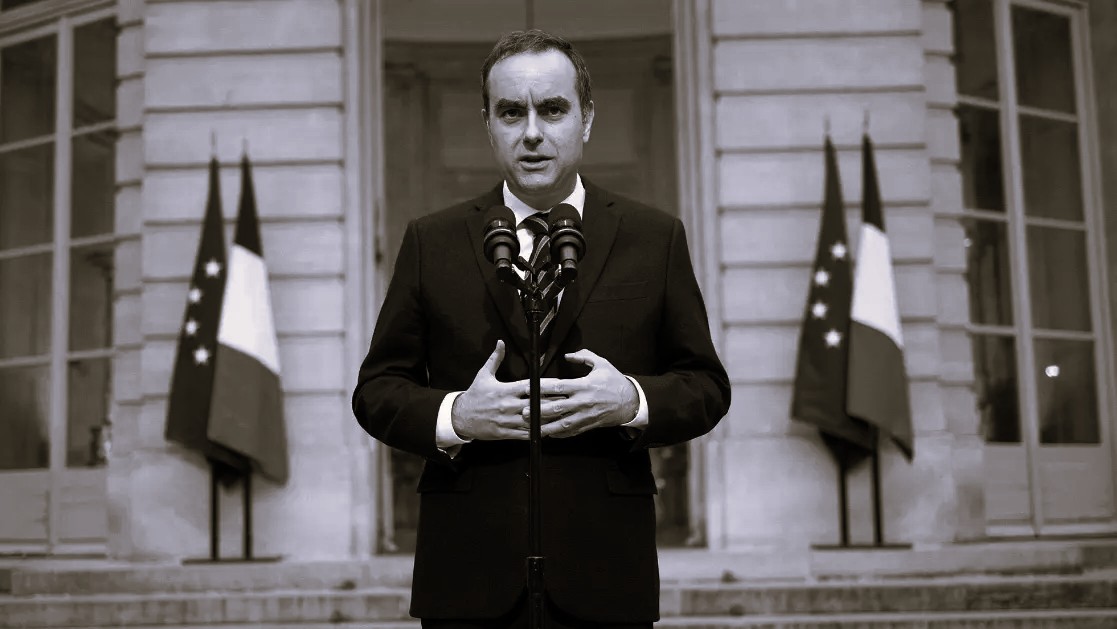
France PM Sebastien Lecornu resigns after criticism of cabinet
France’s newly appointed Prime Minister, Sébastien Luolu, has resigned just hours after unveiling his cabinet, plunging the country deeper into political turmoil. President Emmanuel Macron had named Luolu to the post only last month, making him the fifth prime minister in two years.
The resignation followed widespread backlash over the cabinet lineup, which retained key figures such as Foreign Minister Jean-Noël Barrot and elevated Bruno Le Maire former economy minister (2017–2024) to the defense portfolio amid rising tensions with Russia over Ukraine. Roland Rescue, a staunch Macron ally, was appointed to lead the economy ministry.
Despite weeks of cross-party consultations, the largely unchanged cabinet drew criticism from both ends of the political spectrum, with detractors calling it either too right-wing or insufficiently reformist. The cabinet was scheduled to hold its first meeting Monday afternoon, but Luolu submitted his resignation earlier that morning.
France’s political instability stems from a fragmented parliament, where no single party holds a majority. The crisis has intensified since Macron’s 2022 re-election and his controversial decision to call snap parliamentary elections, further eroding consensus and governance.
Following Luolu's resignation, Jean-Noël Barrot, France’s current Foreign Minister, is considered one of the most viable candidates for the next Prime Minister. Known for his centrist stance and diplomatic experience, Barrot has actively engaged in international affairs, including European security issues and diplomatic efforts in the Middle East. Analysts suggest that his ability to appeal across the political spectrum could help Macron navigate the fractured National Assembly and restore a degree of stability.
However, Barrot's appointment is not guaranteed. The deep divisions within the legislature, dominated by the far-right National Rally and the hard-left France Unbowed, mean that any candidate will face significant challenges in securing broad support. Political observers note that while Barrot has a reasonable chance due to his experience and centrist credentials, the ongoing fragmentation makes any selection risky, and compromises with opposition parties will be essential.
President Macron is expected to hold consultations with parliamentary leaders over the coming days to identify a candidate who can command the confidence of the National Assembly and address France's pressing domestic and international challenges. With the government in flux, France faces a critical period as it seeks leadership capable of bridging divisions, stabilizing governance, and addressing both economic and security concerns.