
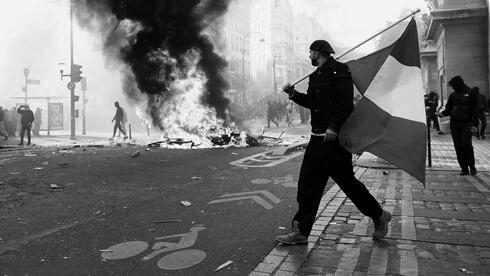
France On Edge PM Seeks Curfews As Macron Admits Security Failures After Riots
France’s violent unrest has intensified the political and security crisis facing President Emmanuel Macron, with Prime Minister Sébastien Lecornu asking regional authorities to impose limited, localised curfews in affected cities to prevent further rioting and looting.
The demonstrations, held on October 17, brought together students demanding better school conditions and residents protesting against rising living costs and deteriorating public services. However, peaceful rallies were overshadowed by arson, looting and attacks on public buildings and businesses. More than 500,000 people reportedly participated nationwide, while authorities recorded over 2,300 arrests and nearly 1,000 injuries among police and gendarmes.
On October 19, Lecornu instructed regional prefects to introduce partial curfews where necessary. He said a state of emergency remained an option but that targeted restrictions were more appropriate at this stage. The government had yet to identify all the areas that would face curfews. Meanwhile, protesters blocked the entrance to the Louvre Museum in Paris, preventing it from opening as scheduled.
The crisis has also exposed serious security shortcomings. Interior Minister Laurent Nuñez acknowledged that police had lost control in some cities, citing inadequate anticipation and insufficient personnel to handle violent groups. He offered his resignation, but Macron rejected it, asking him to restore order, review intelligence failures and introduce new operational methods. The government also faces criticism from mayors who said their cities were left inadequately protected.
Macron had earlier expressed “anger” and “shame” over the destruction, warning that “those who looted will have to pay back for the damage, and those who sought to bring down the Republic will be held accountable.”
Beyond public order, the unrest has reignited debates about radical-left politics, immigration, integration and multiculturalism. Critics argue that some radical-left groups frame violence as resistance against state institutions.