
Fragile Iran Ceasefire Pushes Oil Higher, Drags Global Shares Lower
Oil prices rebounded sharply on Thursday while global equity markets declined, as rising tensions in the Middle East and doubts over a fragile ceasefire between the United States and Iran unsettled investors worldwide.
The initial optimism surrounding the two-week truce quickly faded after renewed Israeli strikes on Lebanon and escalating hostilities involving Iran-backed groups raised fears of a broader conflict . The situation has cast serious doubts on the durability of the agreement, triggering fresh uncertainty across global financial markets.
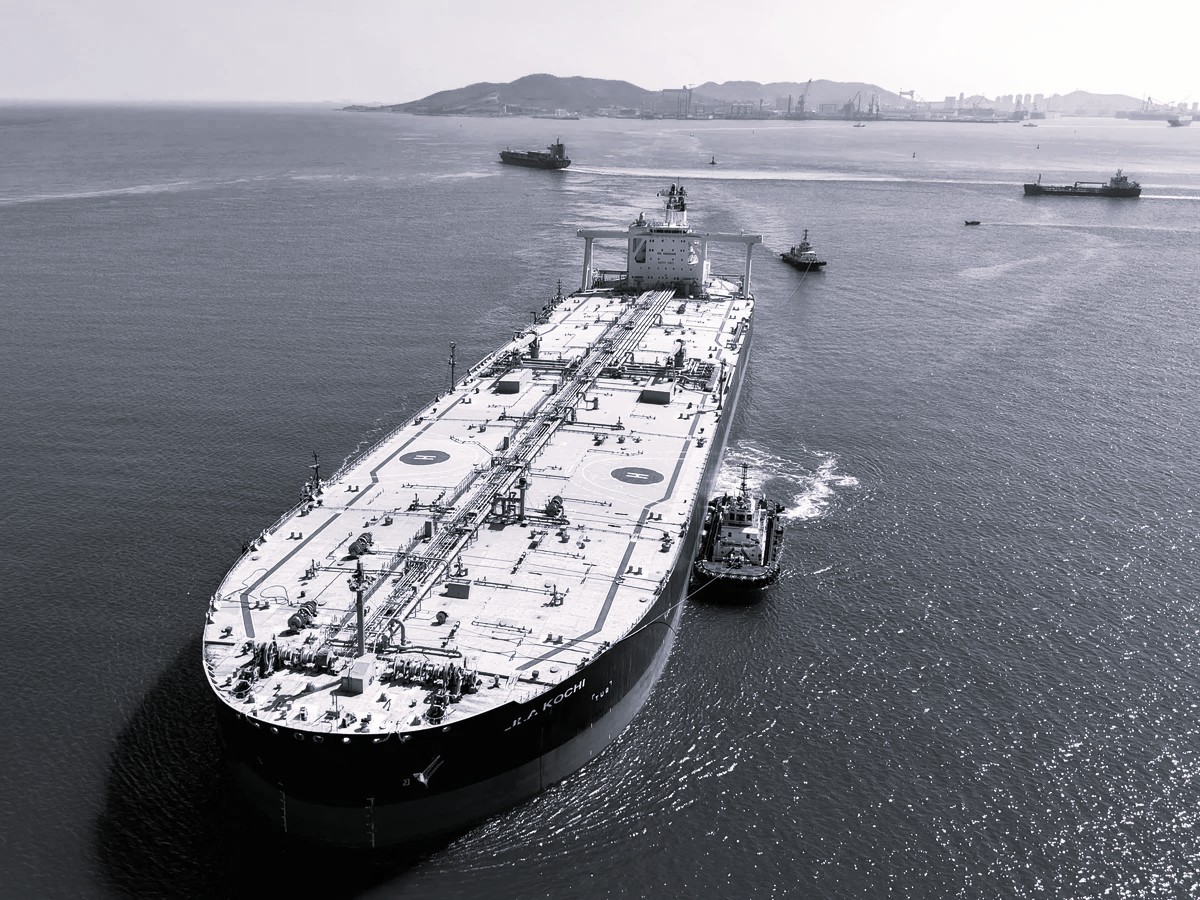
A key flashpoint remains the Strait of Hormuz , a vital chokepoint through which nearly one-fifth of global oil supply passes. Iran’s move to restrict maritime traffic has significantly disrupted shipping , with only limited vessels reportedly allowed to pass each day. This has heightened concerns over global supply disruptions and raised the risk of prolonged energy volatility .
Reflecting these concerns, oil prices surged. Brent crude rose about 3.5 per cent to around USD 98 per barrel, while US benchmark crude gained roughly 3.6 per cent. The rebound follows a steep earlier decline driven by hopes that the ceasefire would stabilize the region.
Global equity markets, however, reacted negatively. European indices slipped, with the FTSE 100 down 0.3 per cent, France’s CAC 40 falling 0.8 per cent, and Germany’s DAX losing 1.3 per cent. Asian markets also ended mostly lower, with declines in Japan, South Korea, Hong Kong, and China, while India’s Sensex dropped 1.6 per cent, reflecting broader investor caution .
The sharp market reversal highlights how quickly sentiment has shifted. Just a day earlier, Wall Street had rallied strongly following the ceasefire announcement, with major indices posting gains amid hopes of de-escalation . Travel and tourism stocks, including airlines and cruise operators, also surged on expectations of lower fuel costs and improved global stability .
However, analysts now warn that the ceasefire remains fragile and offers only temporary relief. Continued military activity and lack of a clear long-term agreement have kept investors on edge. The United States has indicated that its military presence in the region will continue until a “real” deal is fully implemented, further underscoring lingering geopolitical risk .
Shipping activity in the region remains constrained, with many companies hesitant to resume normal operations due to ongoing security concerns. The partial closure of the Strait of Hormuz has created a bottleneck in global trade, affecting not just oil but broader trade flows as well.
Diplomatic efforts are ongoing, with talks expected to take place in Pakistan aimed at securing a more permanent resolution . These discussions are likely to focus on restoring safe navigation, easing tensions, and addressing broader geopolitical issues .
Meanwhile, commodities markets showed mixed trends. Gold and silver prices declined as investors shifted positions, while currency markets saw the US dollar strengthen slightly against the Japanese yen, indicating continued demand for safe-haven assets .
Overall, global markets remain highly sensitive to developments in the Middle East. The sudden shift from optimism to renewed fear highlights the fragile nature of the current situation. As long as tensions persist around critical energy routes, both oil prices and financial markets are expected to remain volatile, with investors closely tracking every sign of escalation or progress .