
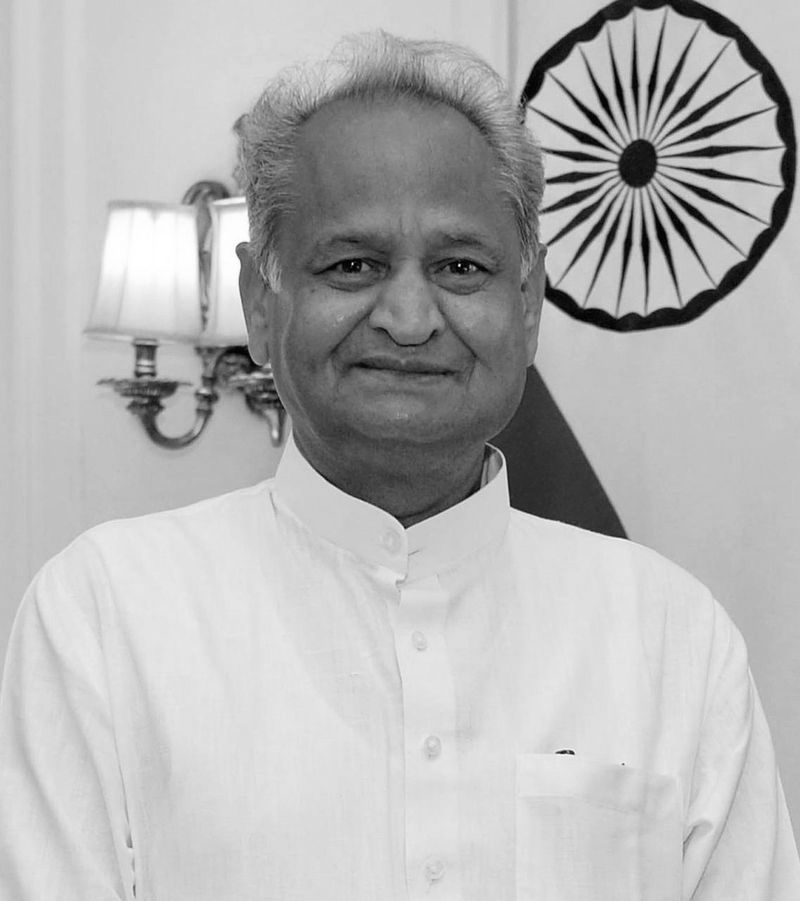
Former Rajasthan CM Ashok Gehlot seeks probe into rising youth cardiac deaths
Former Rajasthan chief minister Ashok Gehlot on Thursday urged the state and central governments to set up a high-level scientific investigation committee to examine the alarming rise in sudden cardiac arrests and deaths among youths and children , calling it a matter of grave public concern.
“The public has the right to know the real cause of these deaths to prevent future tragedies,” Gehlot said. He added that the sudden and unexpected deaths of seemingly healthy young people , including doctors, are creating widespread fear and doubt in society. Referring to concerns raised in the Rajasthan Assembly by Leader of the Opposition Tika Ram Jully and other legislators, he said the issue is extremely serious and cannot be dismissed as normal .
Gehlot pointed to international discussions on rare side effects of Covid-19 vaccines , including their possible links to conditions such as Thrombosis Thrombocytopenia Syndrome. While recent reports from the Indian Council of Medical Research found no direct causal link, he said global research into long Covid and cardiovascular impact is ongoing and governments must clear the prevailing confusion through credible scientific inquiry.
Available national data highlights the scale of concern. A multicentric ICMR study analysing 729 sudden unexplained deaths among adults aged 18-45 across 47 hospitals found most cases were cardiac-related, with strong associations to post-Covid hospitalisation, family history, smoking, alcohol intake, and intense exertion. Hospital-based studies in Chennai and Delhi have also reported a sharp post-Covid rise in heart attacks among people below 40 .
Recalling that the previous Congress government had announced a Centre for Post-Covid Rehabilitation at Rajasthan University of Health Sciences in the 2023 budget, Gehlot expressed disappointment that the current government has not implemented the proposal. “Both governments must rise above politics and act urgently,” he said, stressing that transparent scientific investigation and data-driven policy are vital to prevent further loss of life.