
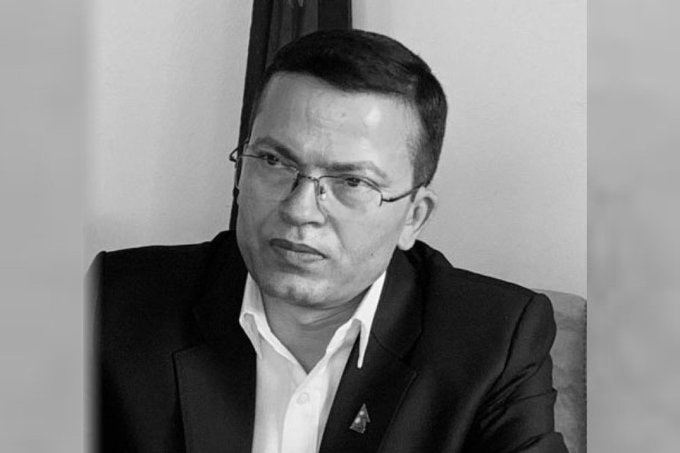
Former Kathmandu CDO arrested for his role in crackdown of Nepal’s Gen Z movement
Former Chief District Officer of Kathmandu Chhabi Rijal was arrested early Tuesday by a team from the Valley Crime Investigation Office at his residence in Subidhanagar/Baneshwor, accused of a central role in the deadly crackdown on the Gen Z protests in September 2025 that shook Nepal and toppled the government.
Rijal, who headed the Kathmandu District Administration Office during the unrest, is alleged to have ordered security forces to open fire on demonstrators on September 8 , a decision that human rights groups and protesters say directly contributed to the use of lethal force against largely youthful crowds . Under his authority, curfews were imposed in parts of the capital and police and armed units engaged protesters near key government buildings, including the parliament complex.
A high‑level probe commission led by former Justice Gauri Bahadur Karki recommended criminal action not only against Rijal but also against senior political figures, including former prime minister KP Sharma Oli and former home minister Ramesh Lekhak , for their handling of the protests. The Gen Z unrest left at least 76 people dead, thousands injured , and prompted the probe to hold around five to six high-ranking officials accountable, though so far only Rijal, Oli, and Lekhak have been publicly arrested for their roles in the crackdown.
In statements to the commission before his arrest, Rijal denied giving orders for the use of lethal weapons against the crowd; however, the panel’s findings and public criticism suggest he failed to curb excessive force and protect protesters’ rights. Beyond the protest crackdown itself, Rijal has previously faced scrutiny for alleged administrative misconduct related to staff postings while serving at the Home Ministry, according to local sources.
The Gen Z movement had begun as largely peaceful demonstrations against government corruption , nepotism and a controversial social media ban , but the scale of unrest grew rapidly, with protestors storming restricted areas and vandalising public buildings across the country. During the weeks of unrest and in its immediate aftermath, hundreds of people were arrested in connection with protest‑related violence and public disorder, alongside the later detentions of senior officials now being pursued by the judiciary.
Rijal’s arrest comes amid wider political tension in Nepal, where the newly formed Balendra Shah government has pledged to implement the commission’s recommendations, and the Supreme Court has recently issued a show‑cause notice to the government over the legal basis for arresting former leaders.