
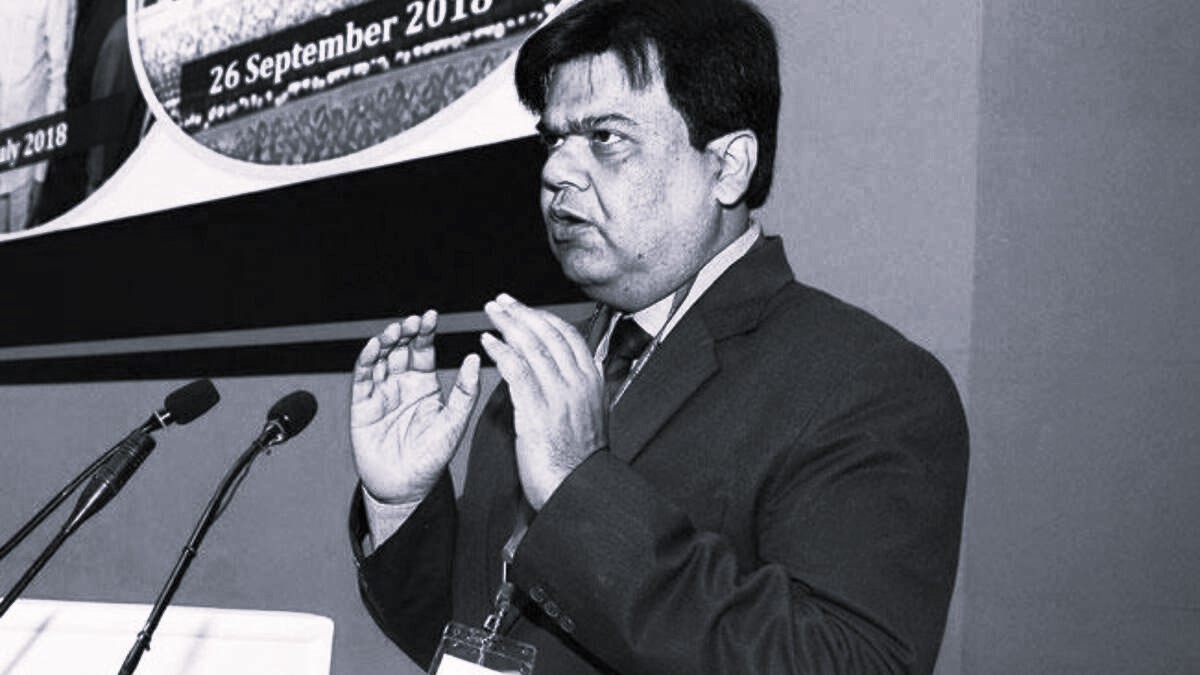
Former IAS officer Praveen Prakash apologizes for past decisions
Former IAS officer Praveen Prakash has publicly apologised for approving disciplinary actions during the previous YSR Congress Party (YSRCP) government that he now describes as morally wrong. In a video released on social media, Prakash said the actions he cleared against two senior retired officials appeared procedurally correct at the time but, with hindsight, were ethically unjustifiable. The video has since gone viral, prompting widespread discussion in Andhra Pradesh’s political and administrative circles.
Prakash named retired IPS officer A.B. Venkateswara Rao and former IRS officer J. Krishna Kishore in his apology, saying he had already reached out to both privately and felt it was important to publicly acknowledge his mistake. Both officers had faced suspensions or inquiries between 2019 and 2024 during the YSRCP administration, actions that were tied to allegations ranging from procedural lapses to corruption-related complaints. Several of those cases have since been reviewed in courts, and key charges were either quashed, stayed, or significantly weakened through judicial scrutiny, a development that adds context to Prakash’s admission.
During the Jagan Mohan Reddy administration, Praveen Prakash was regarded as one of the most influential bureaucrats in the Secretariat, serving as Principal Secretary in the General Administration Department. His tenure was marked by several high-impact administrative decisions, including what contemporary reports described as a crucial role in the sidelining and eventual removal of then Chief Secretary L.V. Subrahmanyam in late 2019 a move that triggered one of the most public confrontations within the state bureaucracy in recent years. That episode, widely covered at the time, cemented Prakash’s reputation as a powerful figure in the administration.
Praveen Prakash resigned from government service in July 2024, shortly after the change of government in the state. Since then, he has remained largely outside formal administrative roles, occasionally commenting on governance matters on social media. His apology video, however, marks one of his most direct accounts of the decisions he took during his years in office.
The public response to the video has been mixed but largely appreciative of what many describe as an unusual display of moral courage. Former officials, political observers and citizens have noted that it is rare for a senior bureaucrat to openly admit error in such a public manner. Others point out that the apology also comes at a time when several cases from the previous regime have been overturned, reviewed or re-evaluated, giving the gesture broader political and administrative significance.
While Prakash’s apology does not alter the legal status of past decisions, it has revived debate about how administrative authority was exercised during the previous government and whether internal checks and balances functioned as they should have. His remarks have added a personal and reflective layer to events that were previously seen only through the lens of official orders, suspensions and court battles, and have reignited discussion about accountability within the state’s bureaucracy.