
Forced Labour Fallout: Washington Hits India With 10% Tariff, Spares It the Harsher Rate
Washington has followed through on its threat to penalise nations over forced labour in global supply chains, and India has found itself on the list, but with a lighter penalty than many had feared. The United States has imposed a 10 per cent tariff on goods imported from India, effective from Friday, as part of a sweeping Section 301 action targeting 60 countries.
The move was confirmed by US Trade Representative Jamieson Greer, who announced the new duties a day before a separate 10 per cent blanket levy on all countries was due to expire. That earlier levy had been introduced after the US Supreme Court struck down President Donald Trump's original "Liberation Day" tariffs in February, ruling that they exceeded his emergency powers.
What makes India's case notable is the narrow escape from a steeper penalty. When the USTR first proposed the forced-labour tariffs in June, India was placed in the 12.5 per cent tariff bracket alongside China, the UK and Japan, as these countries lacked domestic laws banning the import of goods made through forced labour. However, India amended its Foreign Trade Policy on June 14 to explicitly prohibit such imports, a move acknowledged by Washington in its final order. As a result, India was moved into the lower 10 per cent tariff category with 17 countries, including Bangladesh, Pakistan, Canada, Indonesia and the UK.
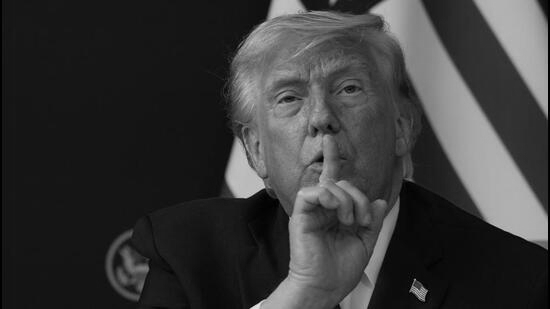
In a memorandum explaining the decision, President Donald Trump said the lower tariff was intended to "encourage these economies to effectively enforce" their labour protections. Jamieson Greer described the action as addressing "both a human rights abuse and a distortive trade practice."
Certain goods are exempt from the new tariff, including raw materials with no domestic alternative, products that could cause wider economic disruption, and items that the US cannot produce in sufficient quantities.
Trade analysts in India view the outcome as more of a policy signal than a major setback. Abhik Sengupta, a programme officer with an industry body, said the reduction from 12.5 per cent to 10 per cent was modest in percentage terms but significant as an indication that Washington remains willing to adjust enforcement without harming the broader India-US economic relationship. New Delhi continues to argue that forced labour issues should be addressed as part of the ongoing India-US bilateral trade agreement negotiations rather than through standalone punitive measures.
The economic stakes remain high. Bilateral goods trade between India and the United States reached nearly $141 billion in 2025, with India exporting $87.3 billion worth of goods to its largest single export market.