
Food, Fuel and Fertiliser at Risk? India Sounds Alarm Over Global Sea Routes at UNSC
India has called on the international community to work collectively to protect critical sea lanes and maritime infrastructure, warning that disruptions to commercial shipping can have serious consequences for global food security.
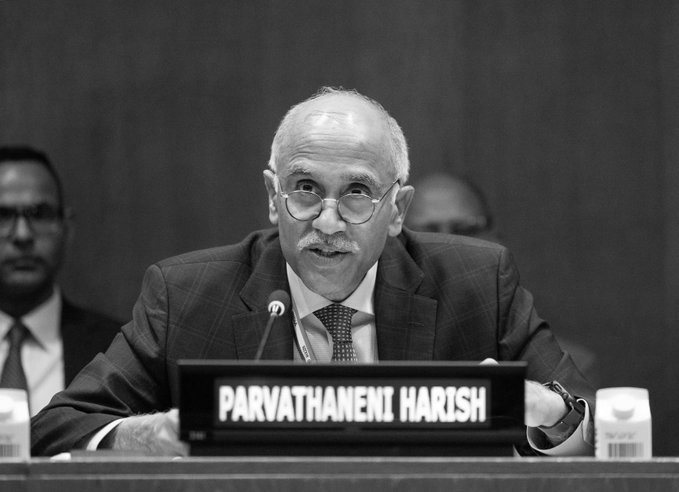
Addressing a high-level UN Security Council open debate on Tuesday, India’s Permanent Representative to the UN, Ambassador Harish Parvathaneni, said secure and predictable maritime routes are essential for the uninterrupted movement of food, fertilisers, fuel and other vital commodities.
He said conflicts increasingly create consequences far beyond the immediate areas of fighting. Disruptions to energy markets, fertiliser supplies, maritime transport, humanitarian logistics and agricultural trade can threaten food security worldwide, with developing countries that rely heavily on imports often facing the greatest impact.
India said the immediate priority of the Security Council should be to reduce the humanitarian consequences of conflicts by ensuring safe, rapid and unimpeded humanitarian access. Parvathaneni also called for appropriate de-confliction arrangements and urged that sanctions regimes should not inadvertently obstruct humanitarian assistance or legitimate agricultural trade.
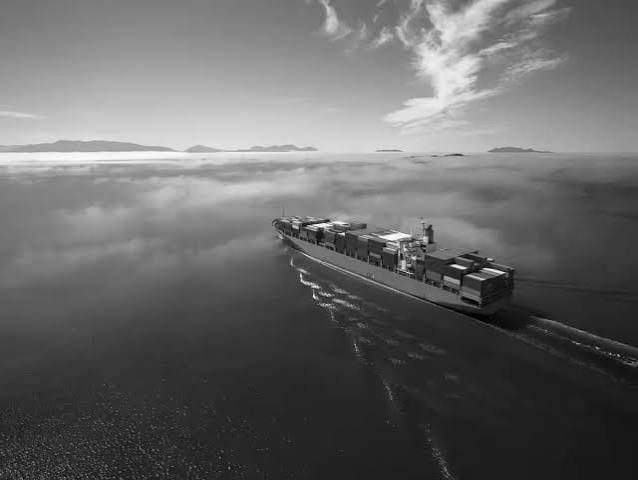
He stressed the need to preserve the safety and freedom of navigation for commercial shipping in accordance with international law. Attacks or disruptions affecting shipping, he said, can create cascading effects well beyond the conflict zone.
UN Secretary-General Antonio Guterres told the Council that 2025 saw the highest number of armed conflicts since World War II, alongside exceptionally high levels of acute hunger. At least 266 million people faced acute food insecurity.
Guterres highlighted the strategic importance of the Strait of Hormuz, which carries around one-fifth of global oil supplies and a third of global fertiliser trade. He also warned that attacks on commercial vessels in the Red Sea were threatening food and commodity supply chains.
India called for objective assessments of disruptions to food, fertiliser, fuel and humanitarian supply chains, drawing on agencies including the Food and Agriculture Organization and World Food Programme.
Parvathaneni also urged countries, financial institutions and development partners to strengthen domestic agriculture, diversify supply chains, improve storage and logistics and promote climate-resilient farming.
He stressed the importance of affordable fertilisers, quality seeds, technology and concessional finance, while urging greater support for small and marginal farmers and wider adoption of resilient crops such as millets.