
Focus on mixed relays: India to compete in five events at World Relays in Botswana
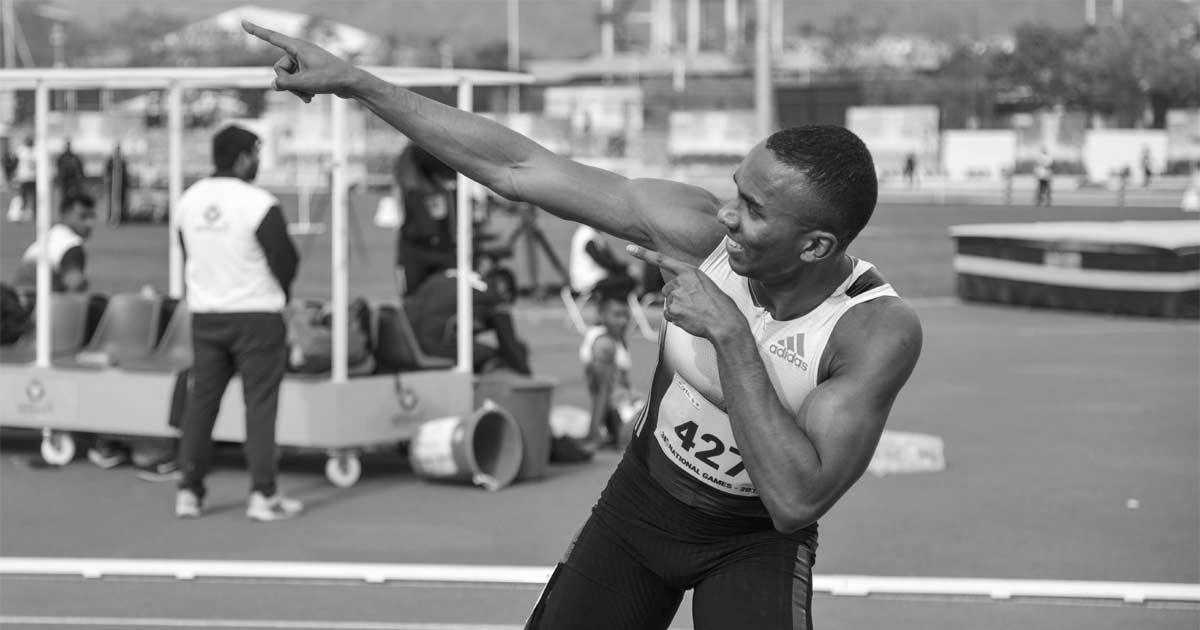
India will field a 21 member athletics squad at the World Athletics Relays scheduled in Gaborone, Botswana, on May 2 and 3 , with star sprinter Animesh Kujur leading the men’s sprint challenge . The Athletics Federation of India has confirmed participation in five relay events while deciding not to send the women’s 4x400m team.
The country had technically qualified for all six relay events by ranking among the top 24 globally. However, officials said the final selection was made after assessing fitness and medal prospects.
India will compete in the men’s 4x100m and 4x400m , the women’s 4x100m , and both mixed relay events in 4x100m and 4x400m . The women’s 4x400m team has been left out due to injury concerns and strategic focus on upcoming competitions.
Athletics Federation of India spokesperson Adille Sumariwalla said the decision was taken with a clear eye on performance priorities. He noted that several athletes are not at full fitness and sending an underprepared squad would not be beneficial. The federation is instead placing emphasis on the mixed relay events , where India sees stronger competitive potential, along with long term preparation for the Asian Games.
On the men’s side, optimism is high as five quarter milers have already clocked sub 46 second timings this season. Officials believe the men’s 4x400m team could challenge the national record if current form continues.
The Indian contingent includes sprinters such as Rajesh Ramesh, Amoj Jacob, Dharamveer Choudhary, and Animesh Kujur , along with a mix of experienced and emerging athletes across relay groups.
Beyond team selection, the federation also discussed future planning, including bids to host major Asian athletics events and structural changes in state level athletics bodies to improve performance standards.
With a blend of cautious selection and long term planning, India will enter the World Relays aiming for consistency, fitness management, and sharper results in priority events rather than full scale participation.