
Flowers, Feasts and Faith: Hyderabad Glows with Onam and Milad-un-Nabi
Hyderabad celebrated two major festivals yesterday, August 26, with the colours, flavours and cultural traditions of Onam meeting the devotional gatherings, processions and community service associated with Milad-un-Nabi. Though rooted in different religious and cultural histories, both festivals transformed different parts of the city into vibrant spaces of celebration, remembrance and togetherness.
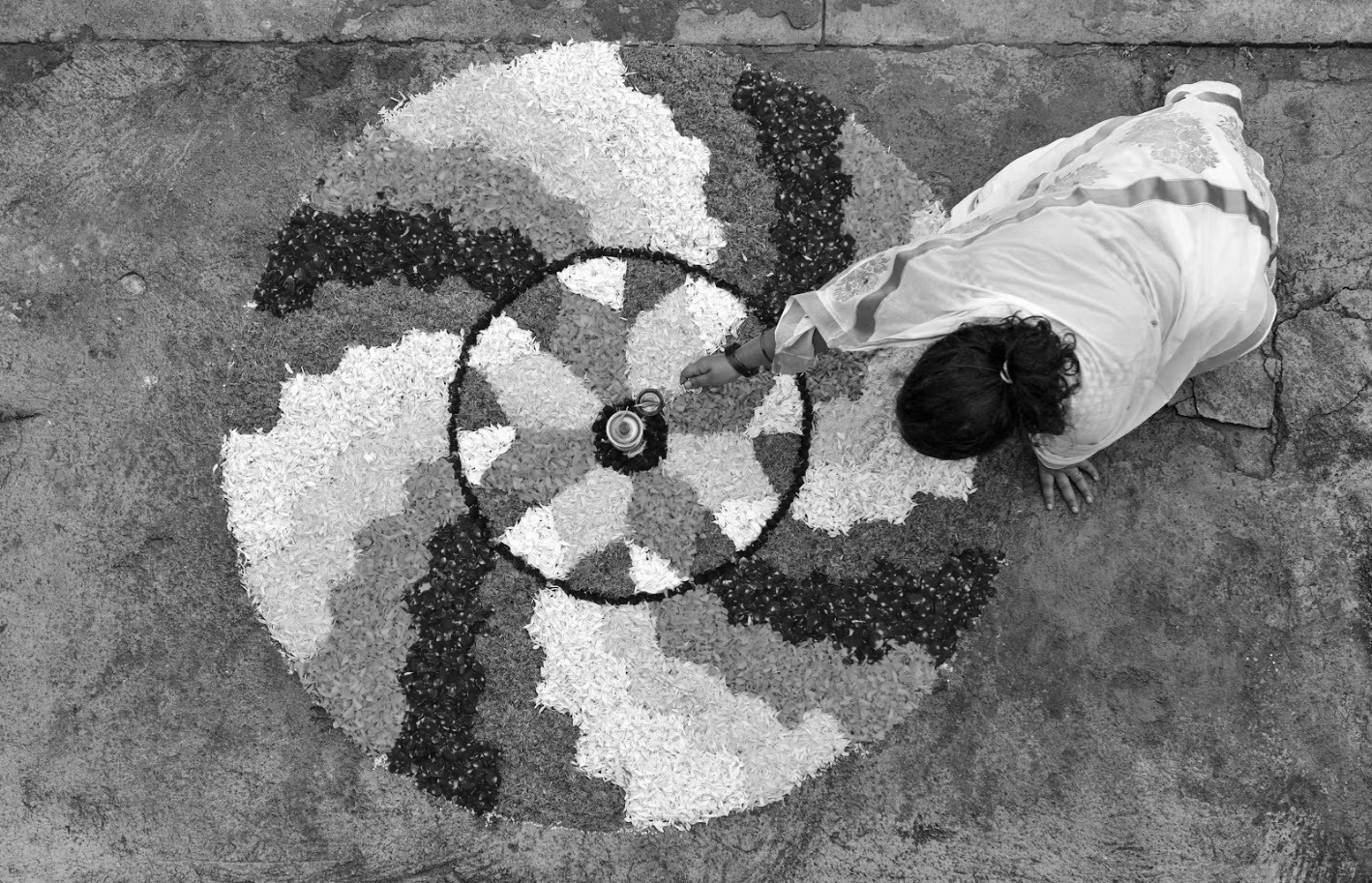
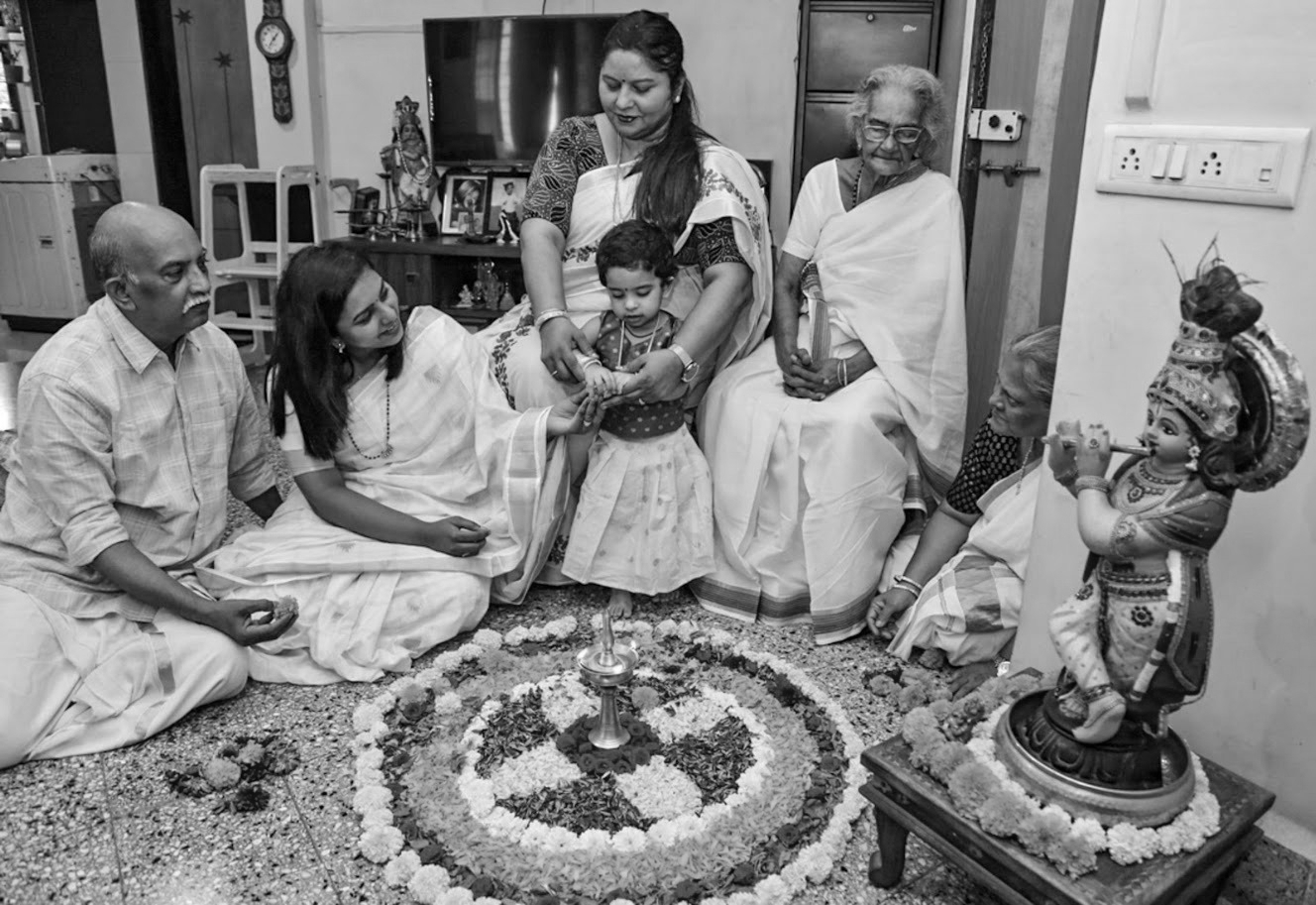
For Hyderabad’s Malayali community, Thiruvonam is more than a festival on the calendar it is a way of bringing Kerala home. The 10-day celebration, which began on August 16 with Atham, culminates today with families and communities gathering for the traditional Onam Sadhya, while pookalams, kasavu sarees, mundus and cultural programmes add colour to celebrations.
At its heart is the legend of King Mahabali, the benevolent ruler whose return to his people is commemorated during Onam. The festival also carries the significance of Kerala’s harvest season and is associated with prosperity, abundance and togetherness. For Malayalis living away from Kerala, that symbolism takes on an added meaning: Onam becomes a cultural bridge connecting generations to their roots.
Hyderabad has developed a sizable Malayali cultural network, with more than 50 Malayali cultural communities reported across the twin cities. Their celebrations feature Kerala’s traditional dances, songs, pookalams and communal feasts, allowing families unable to travel home to recreate the festive atmosphere in Hyderabad.
And if Onam has one unmistakable language, it is food. The Sadhya, traditionally served on a banana leaf, brings together rice, vegetables, curries, pickles, pappadam and payasam in an elaborate vegetarian feast. This year, Hyderabad has become a major Sadhya destination, with at least 10 prominent venues offering festive spreads.
One of the most striking scenes is at Akson Restaurant in Punjagutta, a long-standing Kerala eatery known for its traditional, no-frills food. On Thiruvonam, Malayali diners line up for its Sadhya, turning a restaurant queue into a vivid expression of nostalgia and cultural belonging. Other popular venues include Pathemari, Hanwin Kerala Café, Aidu Kitchen, Simply South, Malabar Kitchen and Pepper Green Kerala Kitchen, while Marriott Executive Apartments has also hosted traditional Sadhya celebrations.
The city’s festive spread has become increasingly diverse. LuLu Mall’s Sadhya features more than 20 dishes, including avial, kootu curry, thoran, pappadam, Kuthari rice and sambar, while community celebrations bring pookalam, chenda melam and Thiruvathira into residential neighbourhoods.
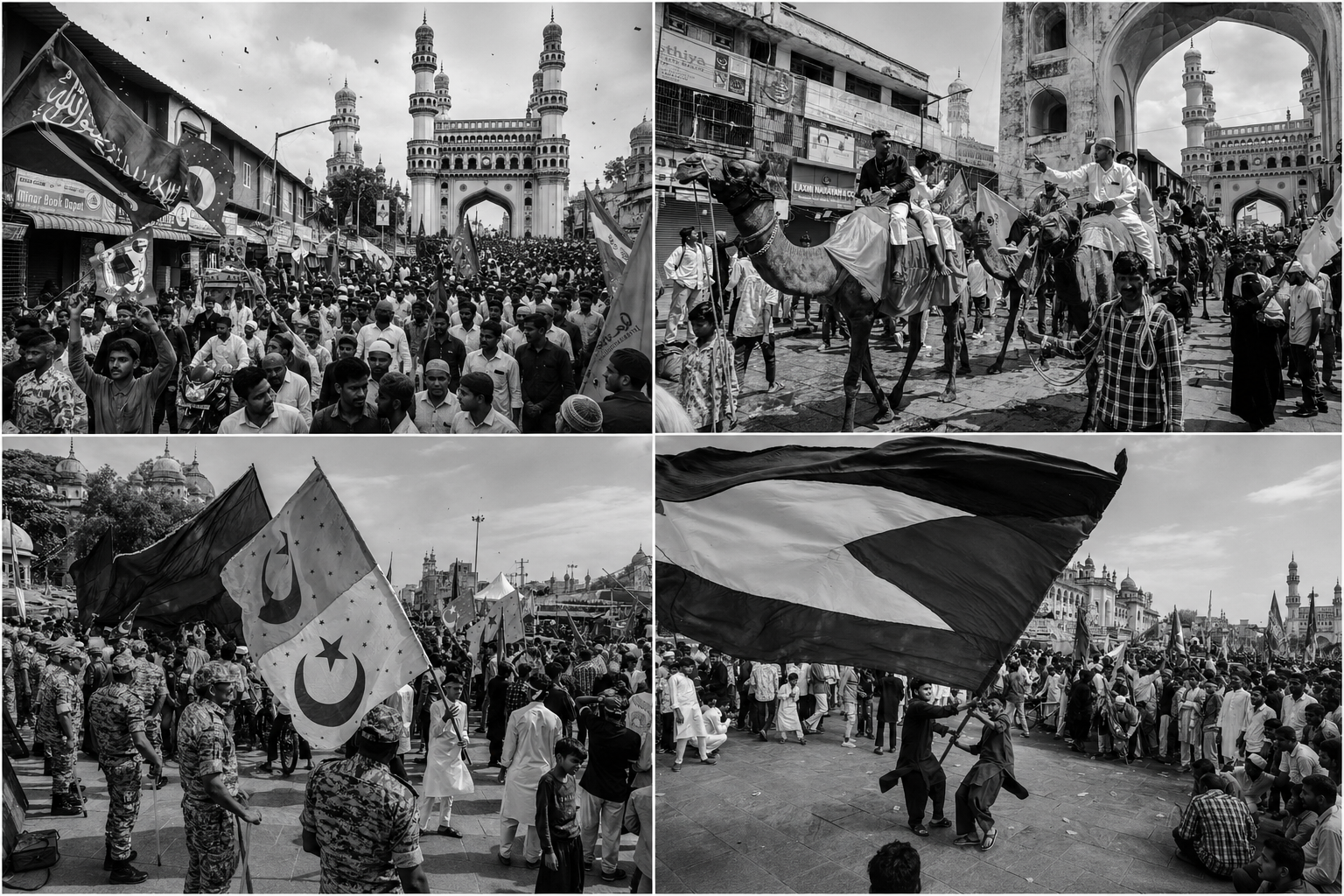
Across Hyderabad, meanwhile, Milad-un-Nabi is unfolding with a distinctly devotional character. The occasion commemorates the birth anniversary of Prophet Muhammad and is observed on the 12th day of Rabi-ul-Awwal, the third month of the Islamic Hijri calendar. Religious meetings, public gatherings, processions and charitable activities form the core of the city’s observance.
The major public attraction is the Milad Peace Juloos, which began from Charminar at 1 pm and drew thousands. The procession passes through Gulzar Houz, Pathergathi, Madina Building, Nayapul, Darulshifa, Mandi Mir Alam and Alijah Kotla before culminating at Moghalpura. Smaller processions from Golconda, Borabanda, Erragadda, Sanathnagar, Hafeezpet and Bowenpally have also joined the celebrations.
The celebration extends beyond the streets. A major gathering is being held at Numaish Grounds in Nampally, while organisations have conducted blood-donation camps, food-distribution drives, hospital fruit-distribution programmes and health camps. A Moinabad blood-donation camp saw around 500 participants, with donations intended to support thalassaemia and cancer patients.
The city has also mounted extensive security arrangements, with around 2,000 police personnel, drones, CCTV cameras and camera-mounted vehicles deployed for traffic and crowd management.
Thus, Hyderabad’s two festivals are unfolding in distinctly different but equally vibrant forms. Onam brings Kerala’s food, colours, music and cultural memory into the city; Milad-un-Nabi fills the historic Old City and neighbourhoods with prayer, remembrance, procession and service. Together, they offer two powerful portraits of Hyderabad’s cultural life each retaining its own history and significance, while both placing community and togetherness at the heart of celebration.